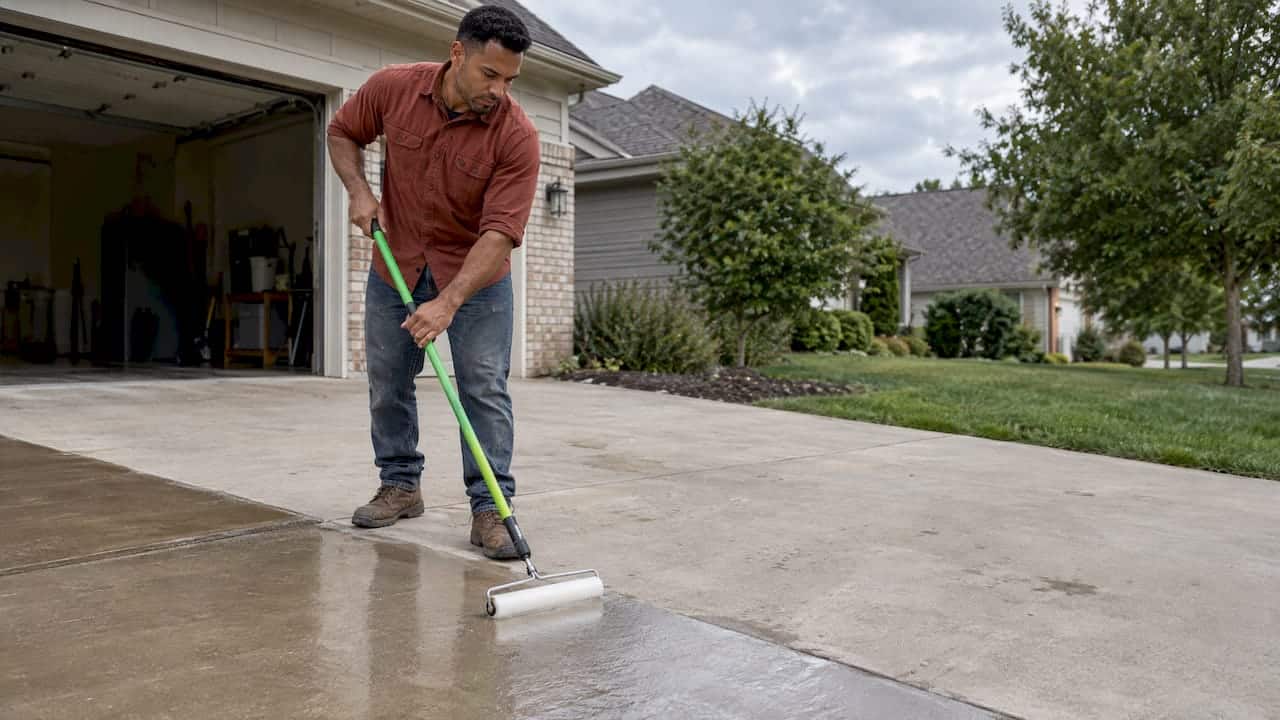
A window well floods for one of three reasons: the water has nowhere to drain, too much water is being sent toward it, or both. The fix is almost always to give the water a way out below the window, to keep roof and yard runoff away from the well, and to cover it. Persistent flooding usually points to a grading or drainage problem in the yard, and that is something a landscape contractor can correct at the source.
This guide explains why window wells fill up, how to tell where the water is really getting in, which drainage solutions work, and when to call a professional. It is written for homeowners in Wentzville, St. Charles County and the surrounding area, where heavy spring storms and clay-heavy soil can test any basement window.
TL;DR
- A window well fills when its drain is clogged or missing, or when yard and roof water runs toward it faster than the soil can absorb it.
- Check the well during a hard rain. Water pooling outside the well and spilling over the top is a grading or downspout problem, not a window problem.
- The core fixes are a clear gravel base, a drain connected to the foundation drainage, correct grading, redirected downspouts and a properly fitted cover.
- Any cover over an egress window well must open from the inside without keys or tools.
- Standing sewage, water near electrical equipment or bowing basement walls call for a professional right away.
Table of Contents
- Why a window well fills with water
- How to tell where the water is coming from
- Window well drainage solutions that work
- Covers, egress windows and safety
- What not to do
- Seasonal checks for Missouri homes
- When to call a professional
- How we help with window well flooding
- A quick checklist before the next storm
- FAQ
- Sources
Why a window well fills with water
A window well is a hole next to your foundation. It sits lower than the surrounding soil, so it is the natural low point for water moving along the foundation wall. If nothing carries that water away, it collects like water in a bucket.
The most common causes are these:
- No drain at all. Many older wells were set in place with a few inches of dirt or gravel at the bottom and nothing else. The water has to soak into the surrounding soil, and clay soil does that slowly.
- Poor grading. If the yard slopes toward the house, surface water runs straight into the well and over its rim.
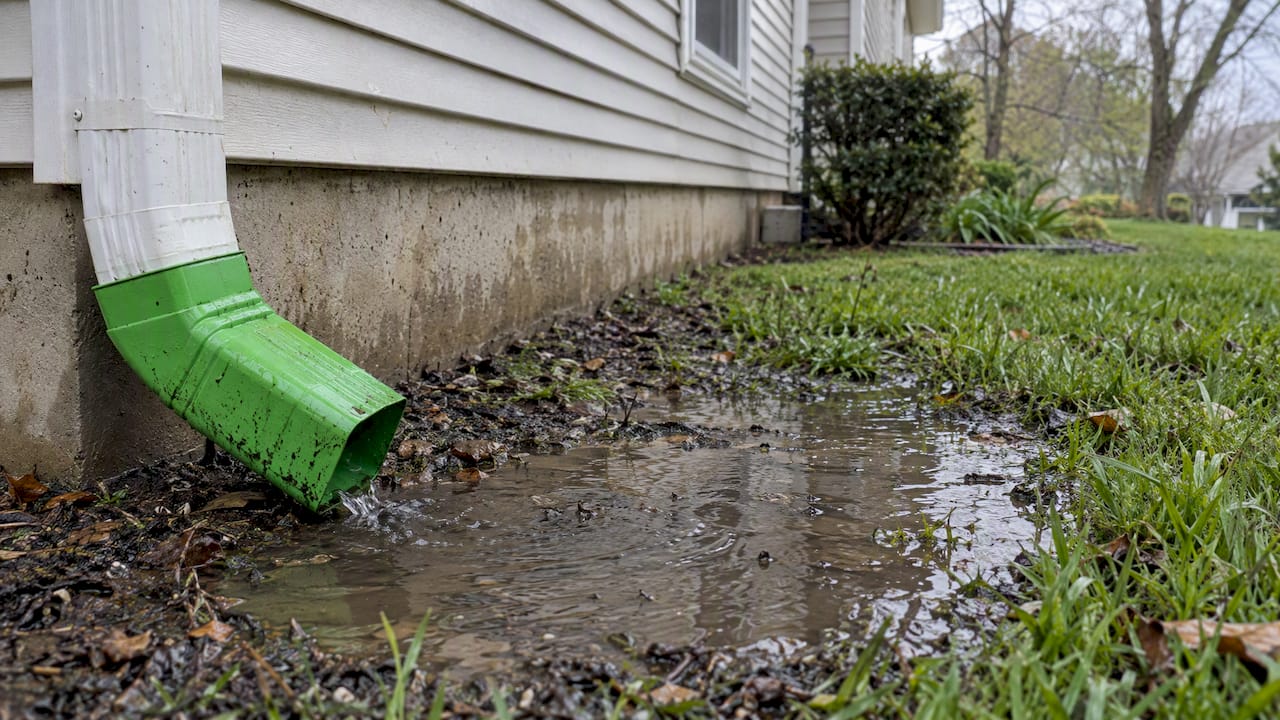
- Downspouts that dump near the foundation. A downspout that ends within a few feet of a window well can fill it in minutes during a downpour.
- Wells that sit too low. When the rim is flush with or below the surrounding soil, water spills in rather than past.
- Saturated soil. After days of rain, the ground around the foundation is full. Water has nowhere to go but down the wall and into the well.
Often several of these are happening together. A clogged drain alone may only show up in a storm that also overwhelms a bad grade.
How to tell where the water is coming from
Before you pay for a fix, work out the path the water takes. Walk the property during or right after a hard rain with a flashlight and a rain jacket.
Water enters the well from above
Watch the ground outside the well. If water pools around it and pours over the rim, the problem is surface water. Look uphill: is there a downspout, a sloped driveway or a patio draining toward the well? If so, correcting the grading and diverting that water will do more than anything you do inside the well. Our guide to 1 inch per foot grading explains how yard slope affects a wet basement.
Water rises from the bottom of the well
If the well fills from below with clear water and the rim stays dry, the soil around your foundation is saturated or the drain is blocked. Pull the gravel back and look at the bottom. Mud, leaves and silt mean a clogged base. A drain hole packed with sediment means the water cannot leave.
Water leaks through the window itself
If the well is dry but the basement window sill or wall is wet, the window frame is the likely culprit. One window repair guide describes removing old caulk at the joint between the frame and the masonry and applying polyurethane masonry caulk on the top and sides. It says to leave the sill weep holes open. It also describes sill flashing installed under the frame and sloped outward to carry water away from the window.
Water seeps through the wall around the well
If you see damp patches or cracks on the wall near the window, water may be getting in through the foundation. Budget Basement’s repair guide says persistent puddles or recurring seepage call for a professional inspection to find hidden foundation cracks. That is the point to stop guessing.
A simple way to keep notes: record the date, how hard it rained, whether the well filled from the top or the bottom, and which part of the basement got wet. This tells a contractor a lot in the first five minutes.
Window well drainage solutions that work
The goal is to move water away from the foundation before it reaches the well, and to give any water that does get in a path out. Here are the options, roughly in the order we would look at them.
1. Clear and rebuild the gravel base
Start simple. Remove debris and any silt-contaminated gravel and replace it with clean, coarse stone. This is the answer to what to put in a window well: clean washed gravel gives water room to move down and away, while soil and mulch do not. Keep the gravel level a few inches below the bottom of the window frame so water and moisture never sit against the glass.
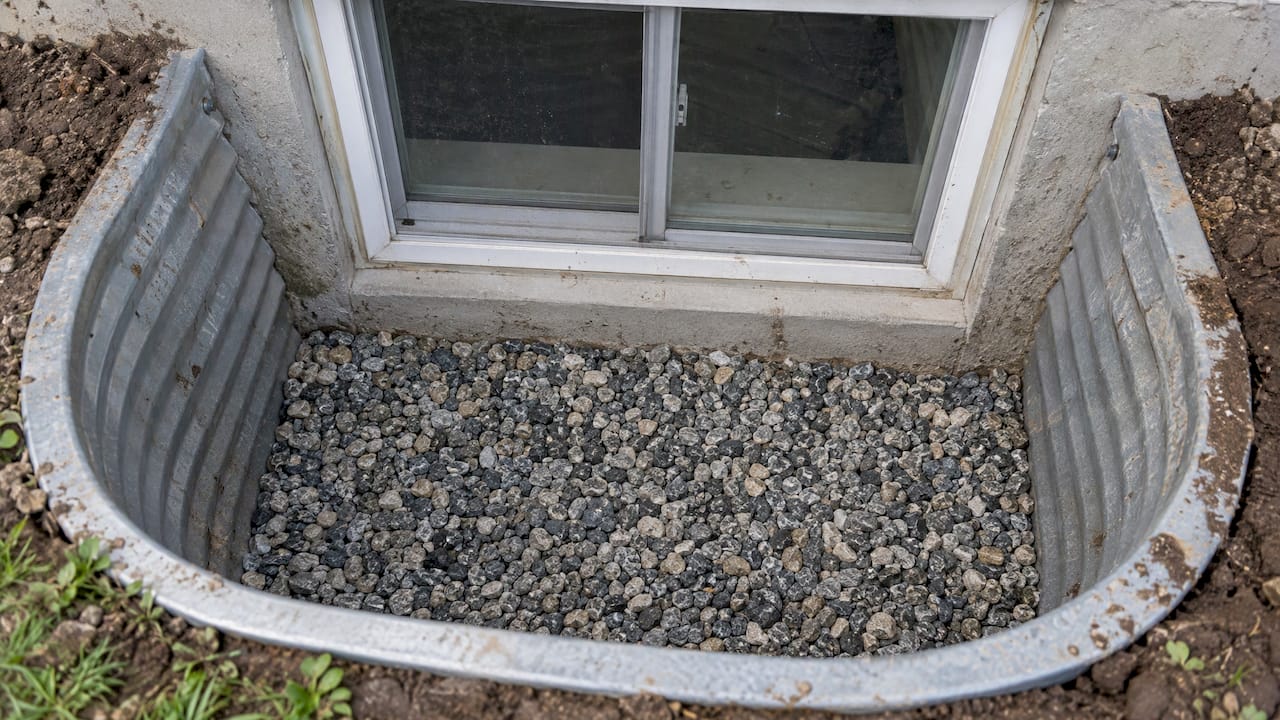
This only helps if the water has somewhere to go. If the soil below is dense clay, gravel alone will fill up like a bowl, and you need a drain.
2. Add or restore a drain
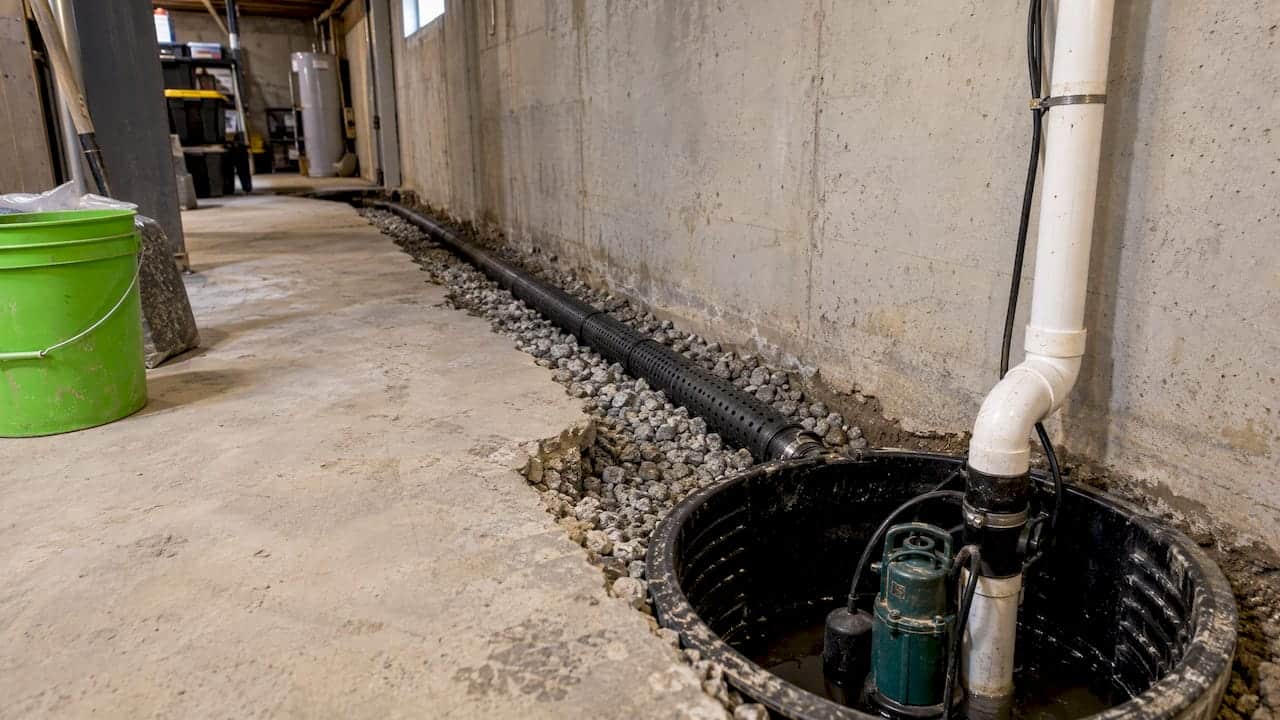
A window well drain carries water from the bottom of the well down to the foundation drainage system, or out to daylight or a sump. New window wells are generally built with drains tied into the weeping tile, which is the perimeter drain around the footing. Older homes often lack it.
This work involves digging down next to the foundation, so it is best done by an experienced crew that knows where the footing drain and any utilities sit. If a sump pump is part of your system, how and where it discharges matters too. See our notes on sump pump discharge options.
3. Fix the grading around the well
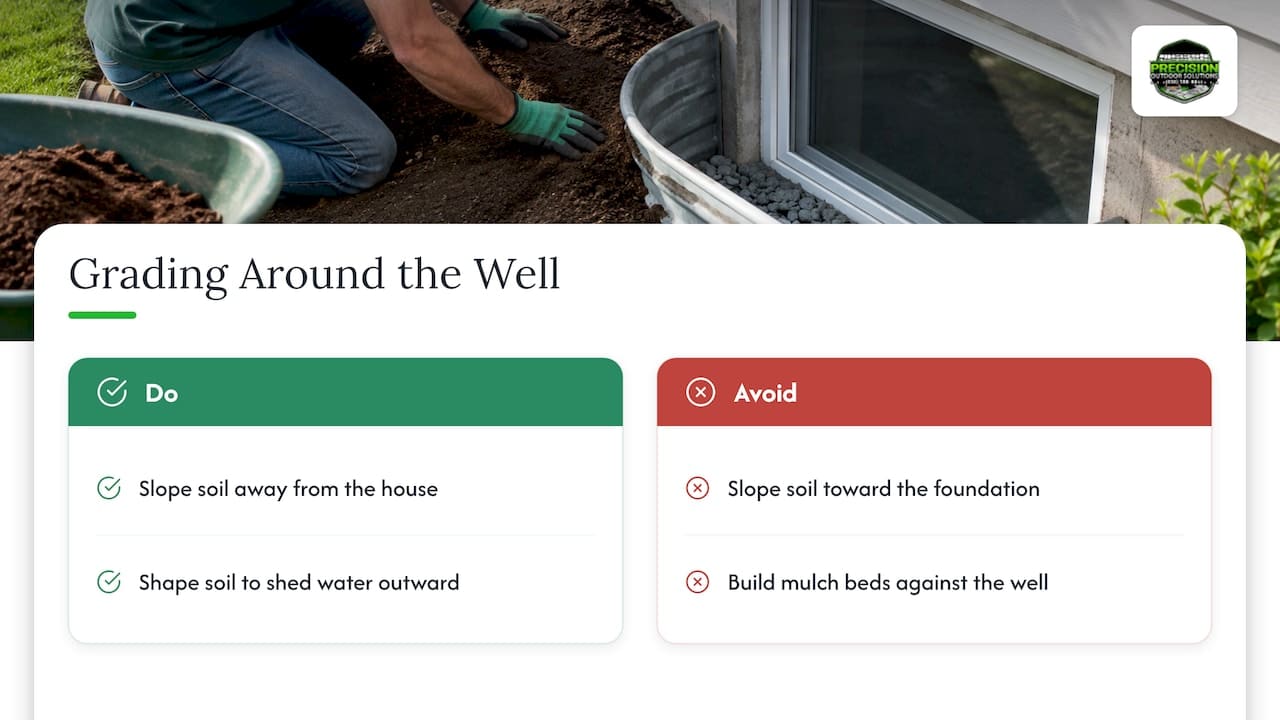
The soil should slope away from the house and away from the well rim. Where it slopes toward the foundation, even a perfect drain will be overwhelmed in a big storm. Regrading is one of the most cost-effective ways to cut down on flooding because it reduces the volume of water that gets near the well in the first place.
We often see a small dip or a mulch bed that has built up against the well. Both trap water. Raising the soil around the well rim slightly and shaping it to shed water outward can make a visible difference.
4. Redirect downspouts
Roof water is a big share of what hits the foundation. If a downspout empties within a few feet of the well, extend it with solid pipe, or bury a line that carries the water well out into the yard. Our downspout drainage options guide walks through the common choices.
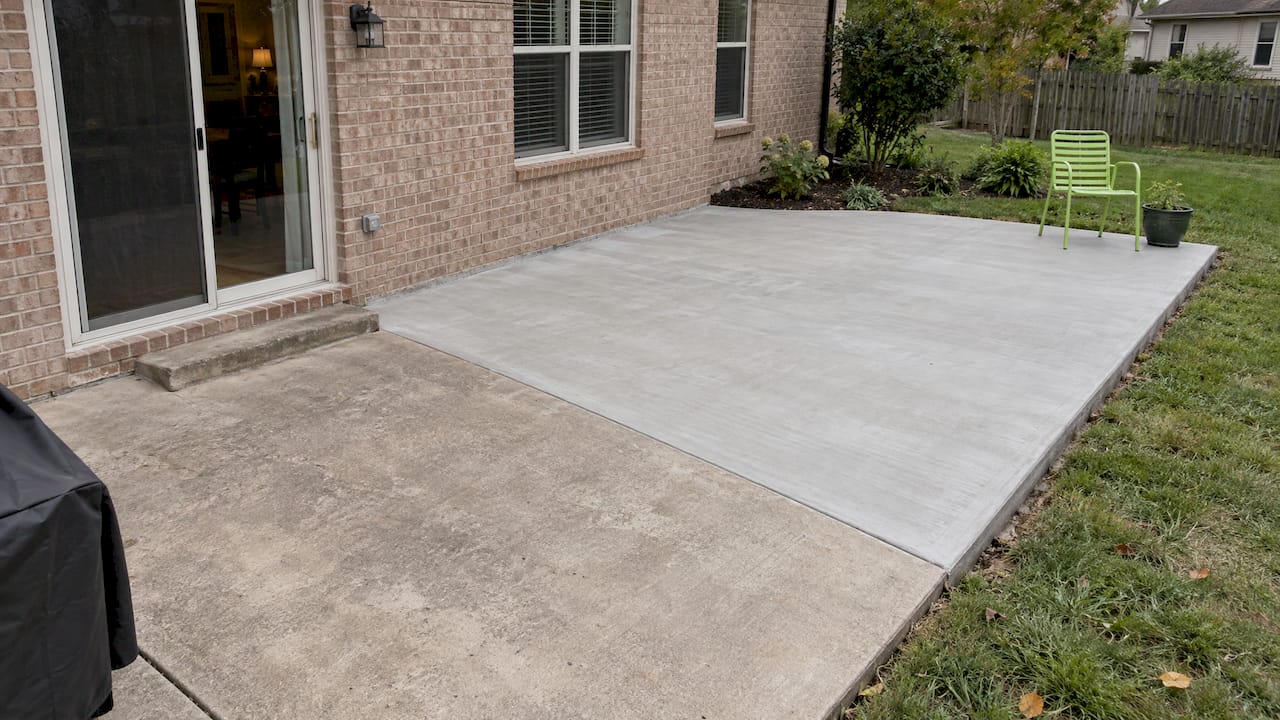
5. Manage runoff from patios, driveways and walls
Hard surfaces shed water fast. A patio or driveway that slopes toward the foundation sends it straight toward the window well. These guides cover the details: patio drainage solutions, driveway drainage ideas and retaining wall drainage. If a retaining wall sits near the well, make sure it has its own drainage and is not pushing water into the well.
6. Channel water with a swale or dry creek bed
When water has to cross a yard from higher ground, a shallow swale or a rock-lined channel can guide it around the house. See our ideas for dry creek beds. This works well on lots with a natural slope, which is common in parts of St. Charles County.
7. Install a cover
A cover keeps rain, leaves and snow out. Plastic window well covers can prevent water accumulating in the well and entering the house. A clear cover also lets light through, which matters for a finished basement.
A cover helps with rain that falls straight into the well. It does not stop water that comes from the ground or through a clogged base, so it works best alongside the fixes above.
Covers, egress windows and safety
If the window is your basement’s emergency exit, the well is a safety feature, and the details matter.
- The cover has to open from inside. The 2021 International Residential Code, section R310, requires any cover or grate over an egress window well to be releasable or removable from the inside without keys, tools or special knowledge.
- The opening must stay clear. The same source says the required net clear opening, typically 5.7 square feet or 5 square feet for grade-floor openings, must be maintained even with a cover or grate in place.
- Deep wells need a ladder. According to that source, section R310.2.3.1 requires a ladder or steps when a well is deeper than 44 inches.
Local building rules can differ from the model code, so confirm what applies to your home with your city or county building department before you change an egress well. Never fasten a cover down permanently or pack an egress well with gravel up to the window. Someone needs to be able to climb out.
What not to do
- Do not fill the well with soil or mulch. It holds water against the window and clogs the base.
- Do not seal the well bottom with concrete unless a drain is also installed. You are building a bathtub.
- Do not ignore a recurring problem. Water at the foundation tends to find its way in over time.
- Do not run a downspout into the well. It will overload any drain you have.
- Do not work near standing water around electrical equipment. More on that below.
Seasonal checks for Missouri homes
A few minutes each season keeps most wells working.
- Fall: clear leaves from every well after the trees drop them. Check that the gravel is clean and that the drain is open.
- Winter: keep snow and ice from packing the well. Meltwater needs a path out, especially during a quick thaw.
- Spring: before the heavy storm season, run a hose into the well and watch how fast it drains. Slow drainage means a clog.
- After big storms: look at the well, the grading and the downspouts. Fix small issues before the next storm.
Regular lawn and landscape maintenance is a handy way to keep mulch, leaves and bed edges from creeping toward the well.
When to call a professional
Some situations are not for a weekend project. One inspection company’s guidance says to call a professional for hazards like standing sewage, water near electrical equipment, structural damage such as bowing foundation walls, or when DIY efforts fail to stop water after a storm. It also says immediate professional remediation is needed if water reaches electrical panels, outlets or appliances, or if the water is contaminated, such as in a sewage backup.
In plain terms:
- Water near the panel, outlets or appliances: stay out of the water, and call a licensed electrician and a water remediation professional.
- Sewage smell or sewage in the water: call a remediation professional.
- Bowing or cracking basement walls: call a structural or foundation specialist.
- Water that has spread into drywall, carpet or other porous materials: call a water restoration company. A restoration company’s blog notes that incorrect drying can lead to permanent structural damage and hidden microbial growth.
- The well keeps flooding after you have cleaned it and checked the downspouts: call a drainage contractor to look at grading and drain options.
The last one is where we come in. Foundation and restoration specialists handle what is inside the walls. A landscape and drainage contractor handles the yard that sends water there.
Our perspective
After more than 25 years working in St. Charles County yards, we see the same pattern: a flooded window well is rarely a window problem. It is a yard problem that shows up at the lowest spot next to the house.
That is why we start outside. We look at how the lot slopes, where each downspout ends, where the patio and driveway shed their water, and what is at the bottom of the well. Our approach is built around durability, so we plan the whole path water takes, from the roof to somewhere safe, rather than patching one well.
We think a good drainage plan is clear and simple to follow. You should know what we found, what we recommend and what the timeline looks like. We also believe drainage should be considered before a patio, wall or garden bed goes in, not after, because those projects change where water flows.
Precision Outdoor Solutions
How we help with window well flooding
Precision Outdoor Solutions builds drainage solutions for homeowners in Wentzville, St. Charles County and nearby communities including St. Peters, O’Fallon and Troy. For a flooded window well, that usually means looking at the whole property: grading, downspouts, runoff from hardscape and the area around the well itself. Our yard drainage solutions start with a site consultation, then a plan tailored to your property.

If the plan involves reshaping the yard, we can also handle related work such as landscape design and concrete services, so drainage fixes blend with the rest of your outdoor space. To get started, visit Precision Outdoor Solutions and request a free estimate.
A quick checklist before the next storm
- The rim of each well sits above the surrounding soil.
- The soil slopes away from the well and the house.
- The gravel is clean and the drain is clear.
- Every downspout discharges well away from the foundation.
- Covers are in good shape, and egress covers open from the inside.
- Mulch beds and plants are not blocking the drainage path.
- Patios and driveways do not slope toward the house.
If you check all seven and the well still fills, the cause is likely below the surface or in how the whole yard drains. That is the time to bring in a drainage professional.
FAQ
Why does my window well fill up with water when it rains?
Usually the well has no working drain, or the drain is clogged with leaves and silt. Water can also be running toward the well from a downspout, a sloped patio or a yard that pitches toward the house. Watch the well during a heavy rain to see whether water comes in from above or rises from below.
What should I put in the bottom of a window well?
Clean, coarse gravel, kept free of soil, leaves and mulch. The gravel gives water a place to go, but it needs a drain or well-draining soil underneath to work. Keep the gravel below the bottom of the window frame, and never fill an egress well so high that it blocks the exit.
Should a window well have a cover?
In most cases yes, because a cover keeps rain, leaves and snow out of the well. If the window is an egress window, the cover must be removable from the inside without keys, tools or special knowledge under the 2021 International Residential Code. Check your local code, since your city or county may have its own rules.
Can I fix a window well that leaks into my basement myself?
Small jobs like cleaning out debris, replacing gravel and re-caulking a window frame are manageable for many homeowners. If water keeps coming in after a storm, if you see foundation cracks, or if water is near electrical equipment, call a professional. A drainage contractor can address the yard side of the problem.
Does fixing the grading really help a flooded window well?
Often it does, because grading controls how much surface water reaches the well. If the ground slopes toward your house, no drain or cover can fully keep up in a big storm. Regrading, along with redirected downspouts, reduces the water the well has to handle.
Sources
- Basement Window Leaks Causes and Repair Guide
- Window Well Drainage Problems
- What Is an Egress Window? Safety, Code Requirements, and Types
- How to Stop Water Coming Into Basement After Heavy Rain
- When to Call Water Restoration for Water Damage
Recommended
- Patio Drainage Solutions That Actually Stop Water Pooling
- Stop Yard Runoff: 1 Inch Per Foot Grading Homeowners Need
- Driveway Drainage Ideas That Actually Prevent Water Damage
- Downspout Drainage Options: A Homeowner’s Practical Guide
This article was prepared with AI assistance for general information. For recommendations specific to your property, contact Precision Outdoor Solutions. Call or text us at (636) 358-8644.