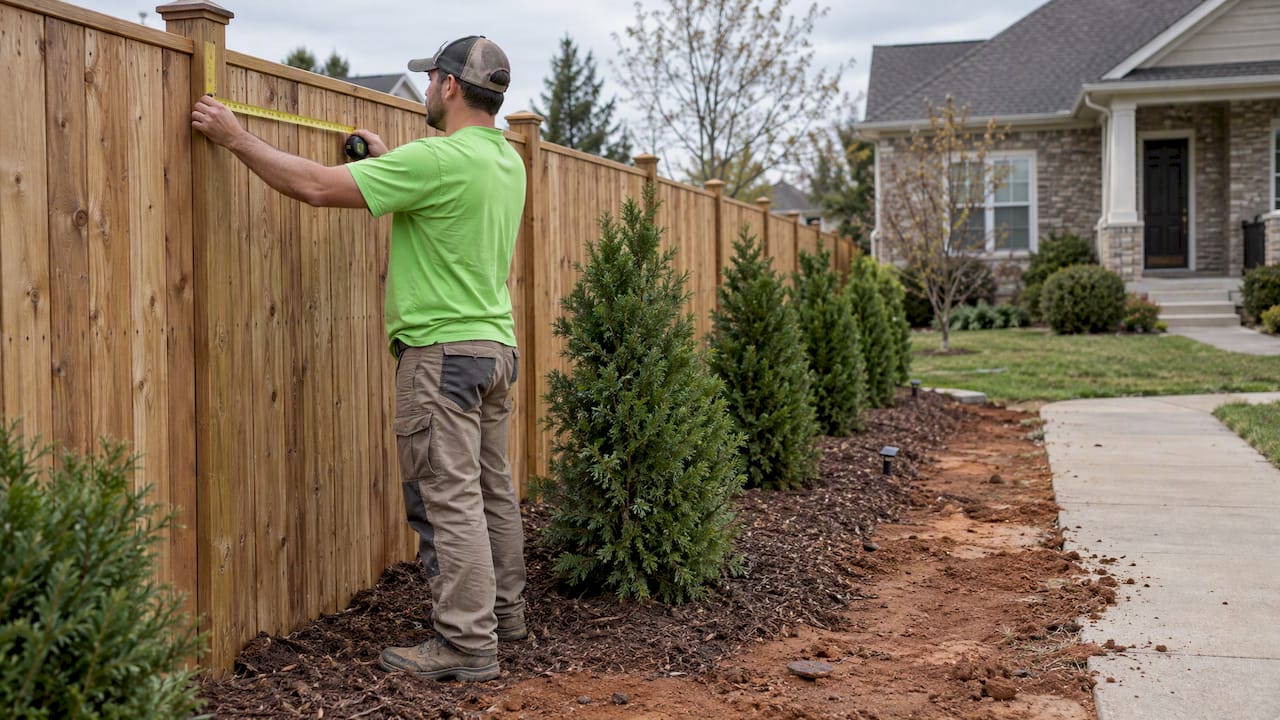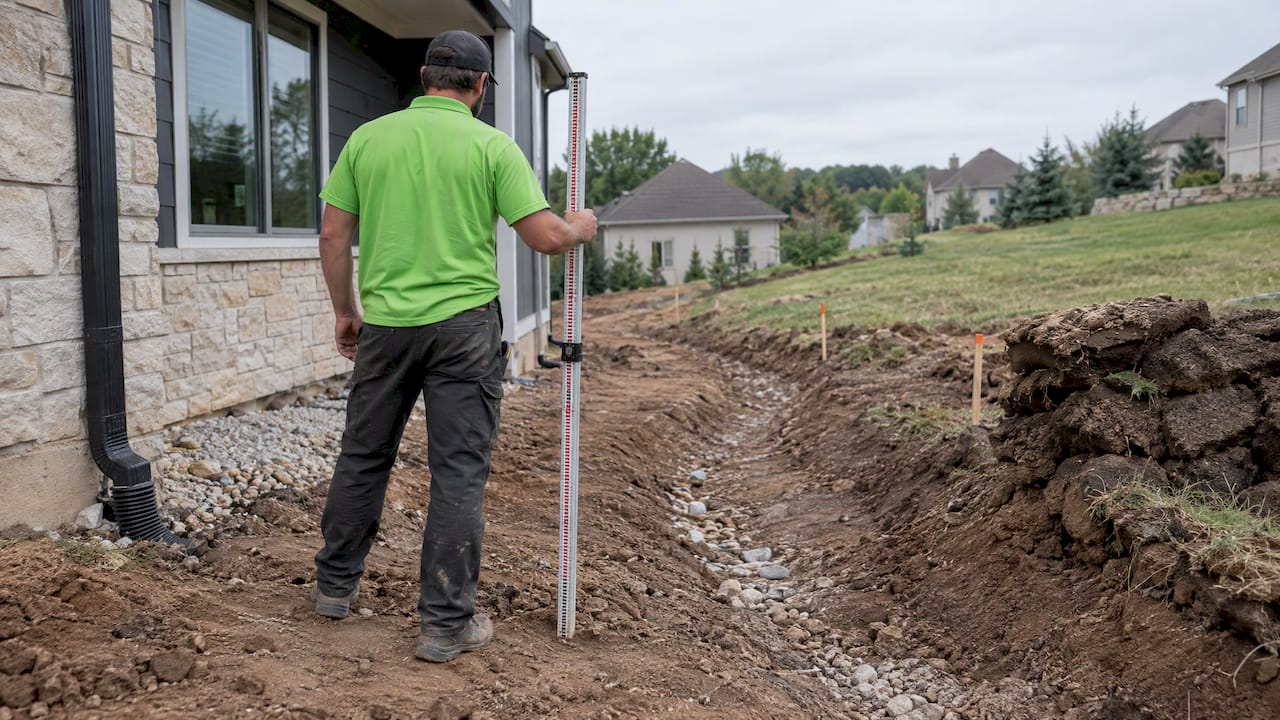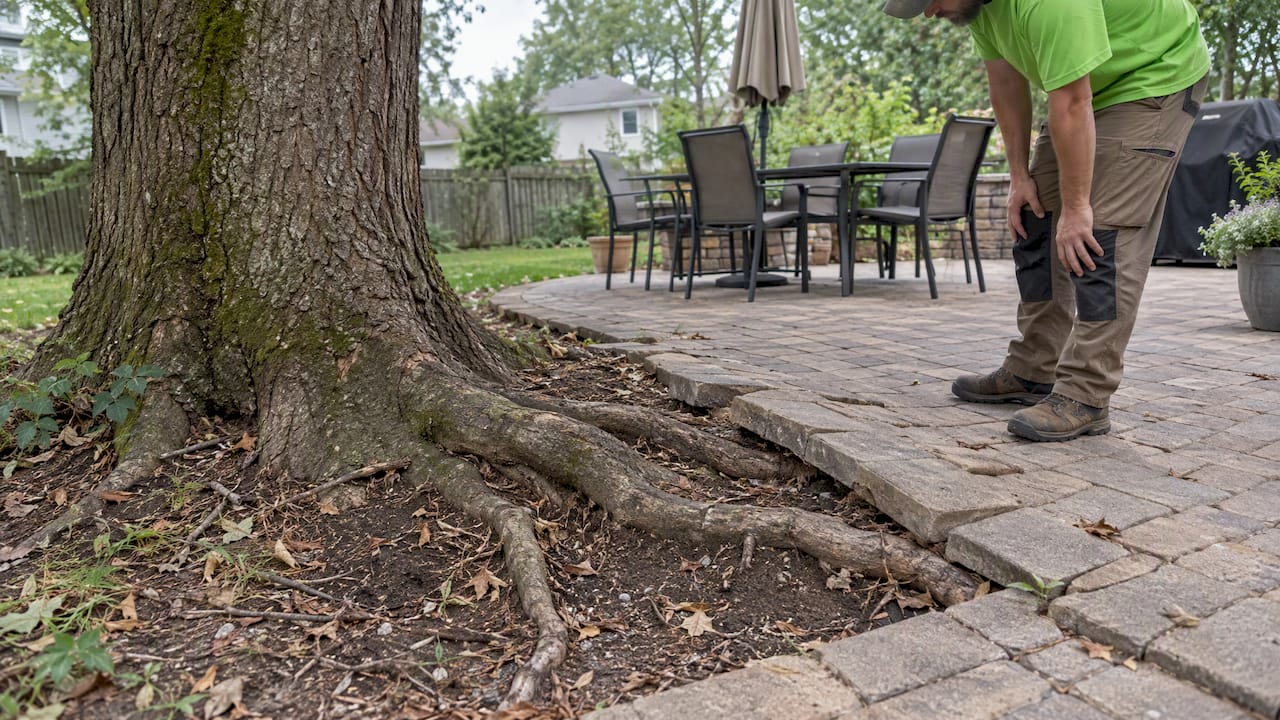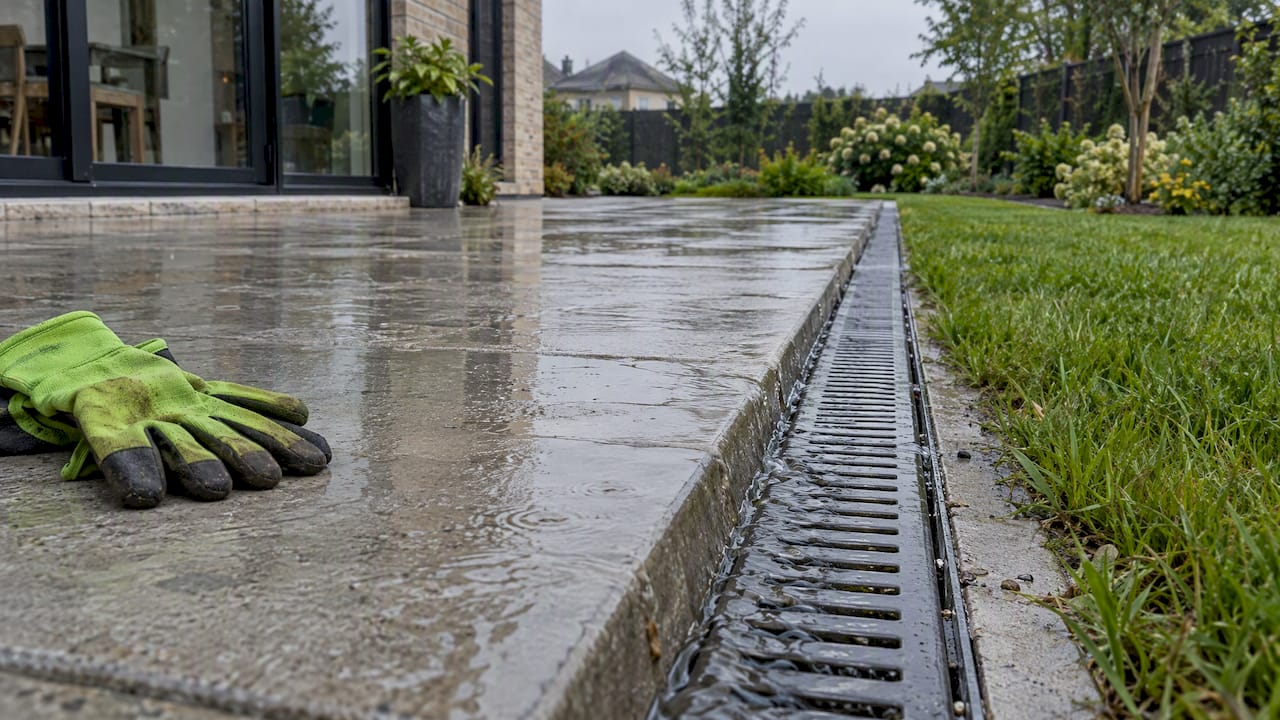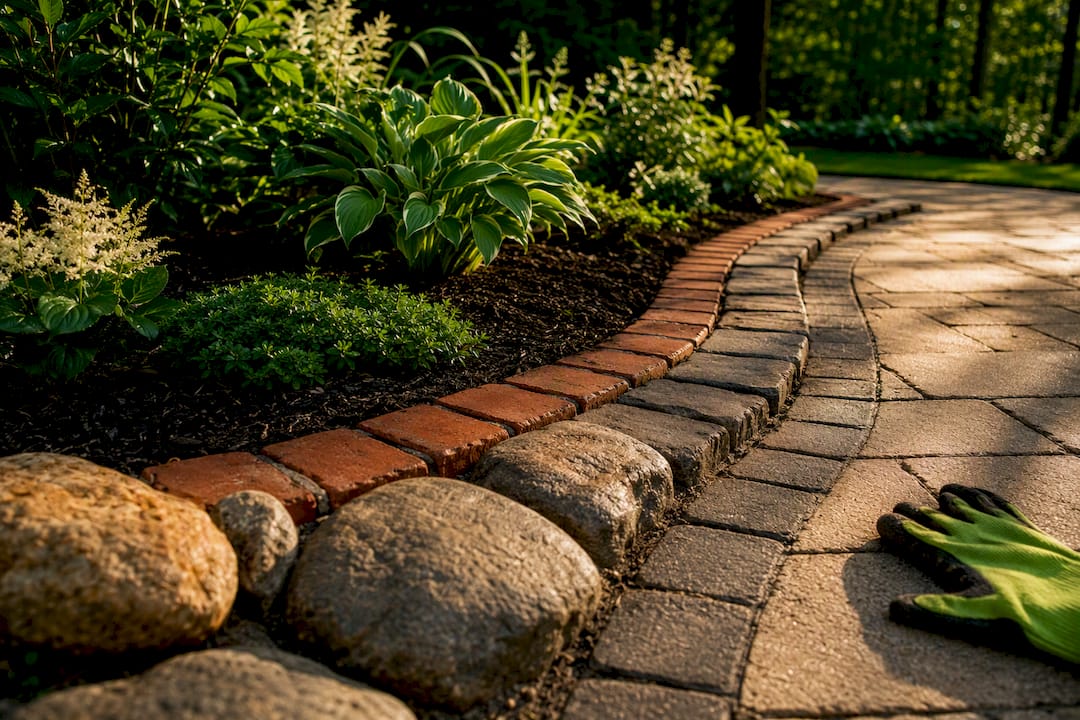
Most wet basements that trace back to the yard are caused by surface runoff and poor grading, not a hidden spring or high water table. The single best immediate move is to stop exterior water from reaching your foundation walls: extend downspouts, build a temporary berm if rain is imminent, and check that sump power is running safely. After that, the lasting fix usually falls into one of three buckets: regrading the lot, rerouting roof runoff away from the house, or adding a proper yard drainage system with a sump backup.
TL;DR:
- Proper yard grading should slope at least 1 inch per foot away from the foundation for the first 6 to 10 feet to prevent water pooling near walls.
- Extending downspouts at least 5 to 10 feet from the house reduces roof runoff’s contribution to basement flooding.
- Combining grading, swales, rain gardens, and French drains offers the most effective long-term solution for yard runoff issues.
- Exterior drainage solutions are more effective long-term than interior sump systems alone, especially if hydrostatic pressure pushes water through cracks.
- Most wet-basement problems stem from surface runoff and poor yard drainage, not high water tables, making yard fixes less costly and more sustainable.
Table of Contents
- What Yard Conditions Cause a Wet Basement From Yard Runoff
- What To Do the Moment You Find Water in the Basement
- Yard Grading and Drainage Fixes That Keep Water Away From the Foundation
- Interior and Structural Drainage: Sump Pumps and Drain Tile
- When to Call a Drainage Contractor and What to Ask
- Does Insurance Cover a Wet Basement From Yard Water
- Landscaping and Plant Choices That Cut Yard Runoff
- Long-Term Yard Maintenance That Keeps a Basement Dry
- Precision Outdoor Solutions’ Take: Fix the Yard First
- Get an On-Site Drainage Assessment From Precision Outdoor Solutions
- Sources
- FAQ
What Yard Conditions Cause a Wet Basement From Yard Runoff
Water rarely appears in a basement by accident. It follows the path your yard gives it, and in most homes that path leads straight to the foundation.
- Negative grading and low spots. If the ground slopes toward your house instead of away from it, every storm sends water straight to the foundation wall. Low spots near the house act like funnels, holding water against the concrete for hours after the rain stops.
- Downspouts and clogged gutters. A 2,000 square foot roof sheds roughly 1,250 gallons of water in just a 1 inch rainfall, and if that volume dumps out at the base of the wall instead of somewhere else, it has nowhere to go but down and in.
- Driveways, patios, and compacted soil. Impervious surfaces and compacted lawn areas shed water fast instead of absorbing it, increasing the volume that reaches your foundation during heavy rain.
- Backfill and soil compaction around the foundation. The loose soil used to backfill after construction settles and compacts over years, creating a natural basin that holds water against the wall longer than the surrounding yard.
- Hydrostatic pressure. Saturated soil against a basement wall generates real force, roughly 0.43 psi for every foot of water depth, and during prolonged heavy rain that pressure can push water through hairline cracks, mortar joints, or the slab itself.
State extension experts consistently point to surface drainage, not deep groundwater, as the principal cause of most wet-basement complaints. That is good news: yard-level problems have yard-level solutions.
What To Do the Moment You Find Water in the Basement
Safety comes first, then damage control, then the paperwork you will want later if you file a claim.
- Check power before you check water. If standing water is anywhere near outlets, a sump pump cord, or an electrical panel, shut off power at the breaker if you can reach it safely, and stay out of the water until you’re sure it is de-energized.
- Slow the source outside. Sandbags or a quick temporary soil berm along the low side of the foundation buy time. Extending a downspout with a cheap flexible tube, even temporarily, can redirect a surprising amount of water away from the wall.
- Move water out, not around. Run your sump pump if you have one, or use a shop-vac or buckets relayed outside, well away from the foundation so it doesn’t just run back in.
- Protect what’s inside. Get boxes, electronics, and furniture off the floor, then start fans and a dehumidifier once the standing water is gone.
- Document everything. Photograph and video the water level, damaged items, and the exterior conditions, with timestamps, and jot down the rainfall amount and what actions you took and when.
Pro Tip: Keep a phone note with the date of every wet-basement event and how much rain fell. A pattern across two or three storms tells a contractor exactly which fix to prioritize, and it’s evidence an insurer will want to see.
Yard Grading and Drainage Fixes That Keep Water Away From the Foundation
Fixing the yard is almost always cheaper and less disruptive than fixing the basement, and it addresses the actual source of the problem.
Grading is the foundation of everything else. The recommended slope away from your house is about 1 inch of drop per foot for the first 6 to 10 feet from the wall, roughly a 2% slope.
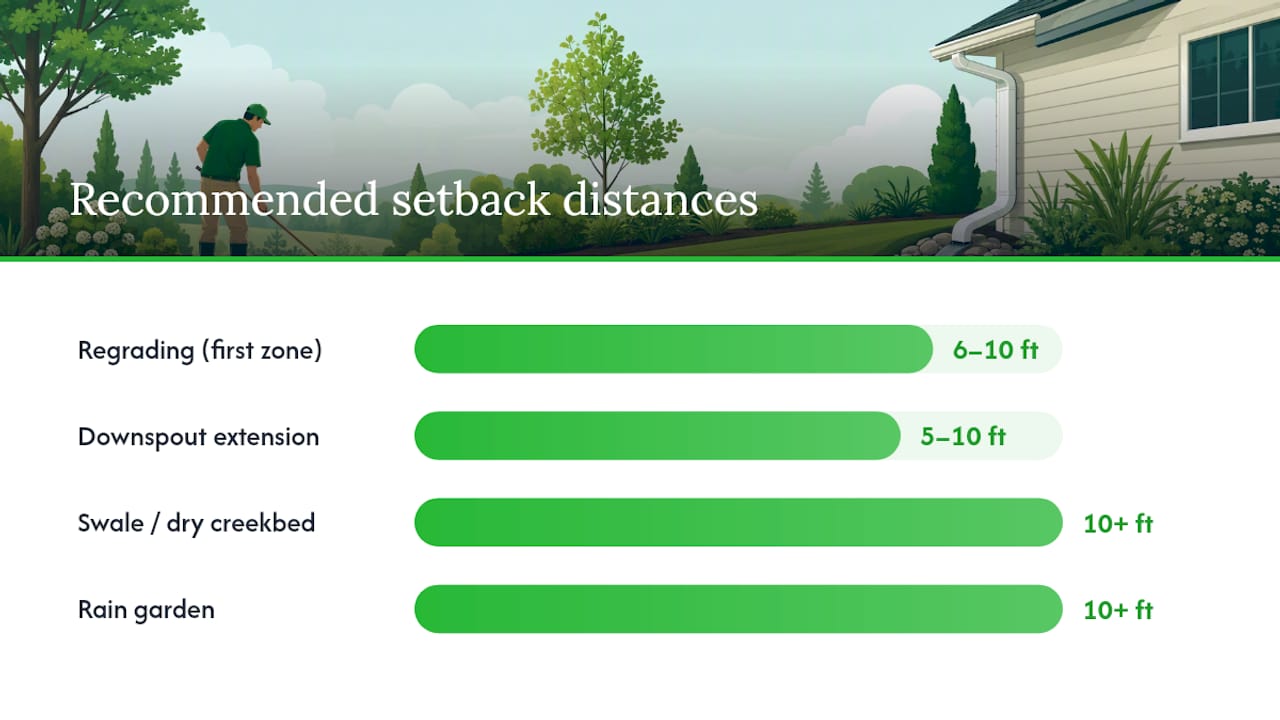
Downspouts deserve the same attention. Clean gutters twice a year, and extend downspout discharge at least 5 feet from the foundation, ideally to a spot where the ground can actually absorb the water. A buried lateral line or a pop-up emitter hides the pipe while still moving water well clear of the house.
Beyond grading and gutters, a few landscape features do heavy lifting:
- Swales and dry creekbeds route water across the lot toward a safe discharge point, and infiltration features should sit at least 10 feet from the foundation.
- Rain gardens capture roof runoff in a planted depression, and extension guidance recommends locating them at least 10 feet from the house so they don’t just relocate the saturation problem closer to the wall.
- French drains work well for isolated low spots in the yard where surface grading alone can’t move water fast enough.
- Permeable paving and soil amendment increase infiltration on patios and walkways, cutting the runoff volume that reaches the foundation in the first place.
| Fix | Best For | Typical Spec |
|---|---|---|
| Regrading | Sloped lots directing water toward the house | 1 inch per foot (2%) for first 6 to 10 feet |
| Downspout extension | Roof runoff pooling at the wall | Discharge 5 to 10 ft from foundation |
| Swale or dry creekbed | Whole-lot runoff routing | Infiltration point 10+ ft from foundation |
| French drain | Isolated yard depressions | Placed at the low point, piped to daylight or sump |
| Rain garden | Capturing roof and surface runoff | 10+ ft from foundation, drains within 48 hours |
Experts treat the yard as a single hydraulic system, and fixing one downspout while ignoring the grading rarely solves a site-wide runoff problem. The fixes above work best combined, not chosen one at a time.
Interior and Structural Drainage: Sump Pumps and Drain Tile
Yard fixes stop water before it reaches the wall. Structural systems handle whatever gets through anyway, and for homes with a history of wet basements, you usually need both.
- Interior perimeter drains sit inside the basement along the footing, collecting seepage and directing it to a sump. They’re less invasive and less expensive than exterior work, but they manage water after it has already entered the wall system rather than stopping it outside.
- Exterior drain tile and waterproofing are more effective long term because they intercept water before it reaches the wall, but the process requires excavation around the foundation and a properly backfilled trench, typically with at least 12 inches of coarse aggregate around the pipe.
- Sump pumps need a battery backup for power outages, a discharge line routed well away from the foundation so it doesn’t recycle water right back to the wall, and a high-water alarm for early warning.
- Below-slab drain tile addresses hydrostatic pressure directly by relieving water pressure beneath the floor before it can push through the slab.
Pro Tip: Test your sump pump’s battery backup during a dry week, not during the storm that actually needs it. Most failures happen when the power goes out mid-storm, which is exactly when you need the pump most.
Whichever system you choose, pairing exterior grading fixes with a mechanical backup gives you two lines of defense.
When to Call a Drainage Contractor and What to Ask
A few clear signals mean it’s time to bring in a professional rather than keep patching the problem yourself.
- Water appears after modest rain, not just major storms, suggesting a grading or drainage issue rather than a one-time event.
- Water comes up through the slab itself, a sign of hydrostatic pressure that surface fixes alone won’t solve.
- The sump pump cycles constantly, meaning it’s fighting a volume of water your yard drainage should be intercepting.
- Water enters at multiple points along different walls, pointing to a whole-lot grading problem rather than one bad downspout.
When you get a contractor on site, ask whether they inspect grading and drainage patterns across the whole lot, whether they assess soil type before recommending a fix, and whether discharge routing meets local code. A legitimate site visit should end with a written scope, a realistic timeline, and a stated warranty. Walk away from any contractor who skips the site visit, gives a vague scope, or won’t put a warranty in writing.
Does Insurance Cover a Wet Basement From Yard Water
Standard homeowners policies generally exclude flooding caused by surface water, groundwater, or heavy rain, even though they typically cover sudden internal failures like a burst pipe. That gap surprises a lot of homeowners after their first bad storm.
If you want coverage for yard-sourced flooding, you generally need a separate flood policy through the National Flood Insurance Program or a private insurer, and sump pump failure or sewer backup usually requires its own specific endorsement on top of your regular policy.
Cost-wise, expect a wide range depending on the scope. Simple grading and downspout corrections often run from the low hundreds to low thousands of dollars. A French drain or full yard drainage system typically lands in the low to mid thousands. Exterior perimeter drain tile with excavation and waterproofing, the most invasive fix, runs mid to high thousands. Document damage thoroughly and get contractor estimates before filing a large mitigation claim, since insurers often want proof the underlying cause has been addressed.
Landscaping and Plant Choices That Cut Yard Runoff
What you plant matters almost as much as how you grade. Turf grass with compacted roots sheds water fast, while deep-rooted native plants and layered garden beds slow it down and let more of it soak in before it ever reaches the foundation.
Native perennials and ornamental grasses build extensive root systems that create channels in the soil, improving infiltration compared to a typical mowed lawn. Grouping these into a rain garden at least 10 feet from the house gives roof runoff a place to go besides your basement wall.
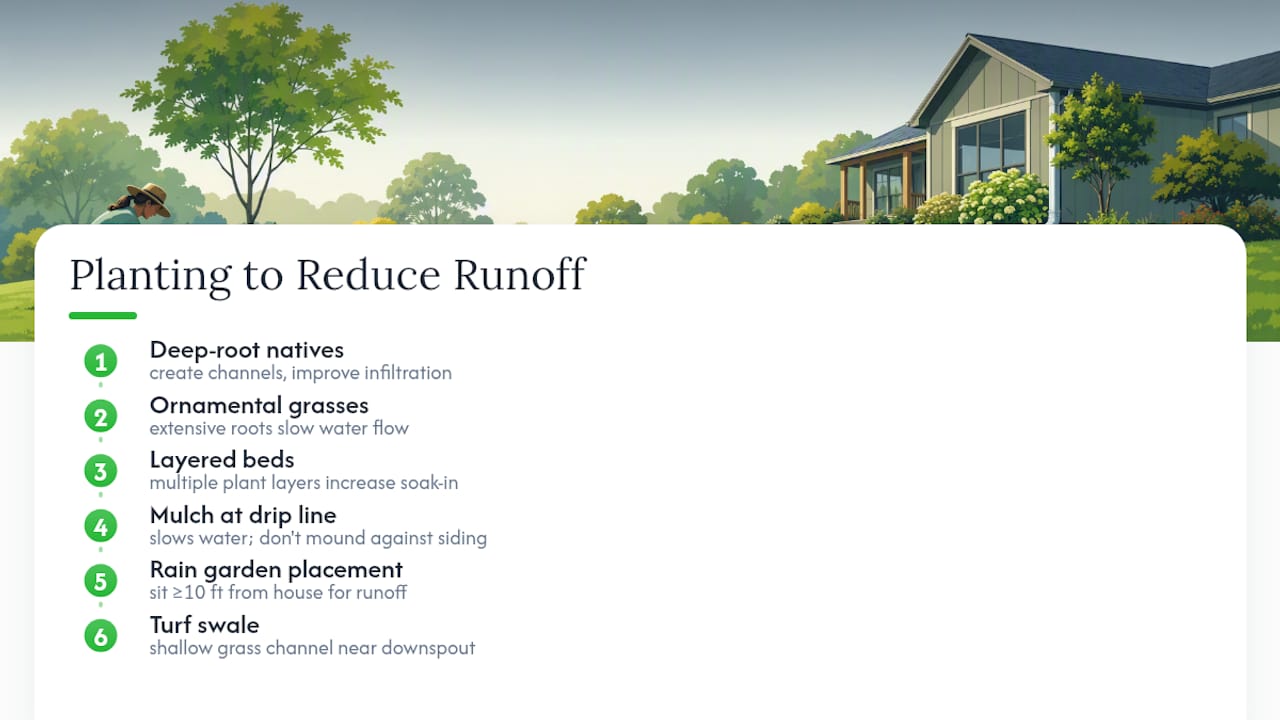
Mulched planting beds along the drip line of the roof also help, since mulch slows water long enough for it to soak into the soil rather than sheet across bare ground toward the foundation. Avoid mounding mulch or soil directly against siding, though. That traps moisture against the house in a different way and can invite its own problems.
Trees offer another lever, but placement matters. A large tree’s canopy intercepts rainfall before it hits the ground, and its root system draws moisture from the surrounding soil, both of which reduce the water load on your yard. Just keep new trees far enough from the foundation that roots won’t eventually interfere with drain lines or grading.
Retaining low areas of turf near downspout discharge points as a shallow, grass-lined channel can also work as an informal swale, moving water across the lot without any hardscape at all. It’s often the simplest fix for a yard that only has one persistent wet corner.
Long-Term Yard Maintenance That Keeps a Basement Dry
A drainage system installed once and never checked again tends to fail quietly, usually right before the storm that matters most.
Clean gutters at least twice a year, in spring and fall, and check that downspout extensions haven’t been knocked loose by mowing or shifted by frost heave. A downspout that discharges 5 feet from the house in April can end up dumping water at the foundation by October if the extension has slipped.
Walk the yard after any major storm and look for new low spots or erosion channels. Soil settles over time, especially near backfilled areas, and a spot that drained fine last year can develop a dip that collects water this year. Regular checks, especially after ground settlement, catch these small problems while they’re still cheap to fix.
Reseed bare patches of lawn before they become bare dirt that sheds water instead of absorbing it. Keep an eye on any French drains or swales for silt buildup, since sediment gradually reduces their capacity to move water. And test your sump pump on a regular schedule, not just when a storm is already rolling in.
Yard maintenance isn’t glamorous work, but it’s the cheapest insurance policy against a wet basement you’ll ever buy.
Precision Outdoor Solutions’ Take: Fix the Yard First
Piecemeal fixes, one downspout here, a bag of mulch there, rarely solve a wet basement, because water doesn’t care about property lines drawn on a plan. They design grading, swales, and drainage as one connected system, building swale specs that drain within 24 to 48 hours and sump discharge routes that meet code instead of recycling water back to the wall. After long experience doing this work, the pattern holds: a site-specific design beats a stack of individual patches almost every time.
— Precision Outdoor Solutions
Get an On-Site Drainage Assessment From Precision Outdoor Solutions
A contractor who only sells drain tile will tell you to dig up your foundation. Precision Outdoor Solutions looks at the whole lot first, because most wet basements in St. Charles County trace back to grading and runoff that a properly designed yard can handle without ever touching the foundation wall.

Precision Outdoor Solutions’ yard drainage solutions start with a site assessment that checks grading, soil, and downspout discharge before recommending anything. From there, the scope might include regrading, a swale, a French drain, sump-pump discharge planning, or hardscape corrections if a patio or downspout routing is part of the problem. Every project comes with a written scope, a realistic timeline, and clear communication throughout, so you know what’s happening and when.
If your basement has taken on water more than once, or you’ve noticed pooling near the foundation after ordinary rain, reach out to Precision Outdoor Solutions for an on-site assessment before the next storm makes the decision for you.
Sources
- Does homeowners insurance cover basement floods? | Progressive
- Final grade slopes away from foundation | BASC (PNNL)
- Basement and yard water problems (PUB2931) | Missouri DNR
- Stormwater management: disconnecting downspouts and impervious surfaces | UNL Extension
FAQ
Why Is My Basement Floor Wet but No Leak Is Visible?
Water forcing its way up through a slab is usually hydrostatic pressure, not a visible leak. Saturated soil around the foundation pushes water through the slab or hairline cracks with roughly 0.43 psi of force per foot of water depth, and improving yard drainage is typically the first step to relieving it.
Does Homeowners Insurance Cover Basement Flooding From Rain?
Usually not. Standard policies typically exclude flooding from heavy rain, surface water, and groundwater, so you generally need separate flood insurance or a specific sump/sewer backup endorsement for that kind of coverage.
How Do I Dry Out a Wet Basement?
Remove standing water with a sump pump or shop-vac first, then run fans and a dehumidifier once the floor is clear. Document the damage with photos before you start cleanup, since that record matters if you end up filing an insurance claim.
Why Is Water Coming Up From the Ground in My Basement?
This is almost always hydrostatic pressure from saturated soil pushing water through the slab, joints, or small cracks during heavy or prolonged rain. Addressing yard grading and drainage first, before considering below-slab drain tile, usually reduces the pressure causing it.
What Does a Drainage Assessment From Precision Outdoor Solutions Include?
Precision Outdoor Solutions starts with a site visit to evaluate grading, soil conditions, and downspout discharge before recommending any fix. Pricing depends on scope, so specifics are provided after that on-site assessment through Yard Drainage Solutions in Wentzville, MO.
Recommended
- Yard Grading Cost In 2026: What Homeowners Should Budget
- Stop Yard Erosion This Weekend: Action First Fixes For Homeowners
- Yard Swale Design Specs That Deliver 24–48 Hour Drain For Homeowners
- Downspout Drainage Options: A Homeowner’s Practical Guide
This article was prepared with AI assistance for general information. For recommendations specific to your property, contact Precision Outdoor Solutions. Call or text us at (636) 358-8644.