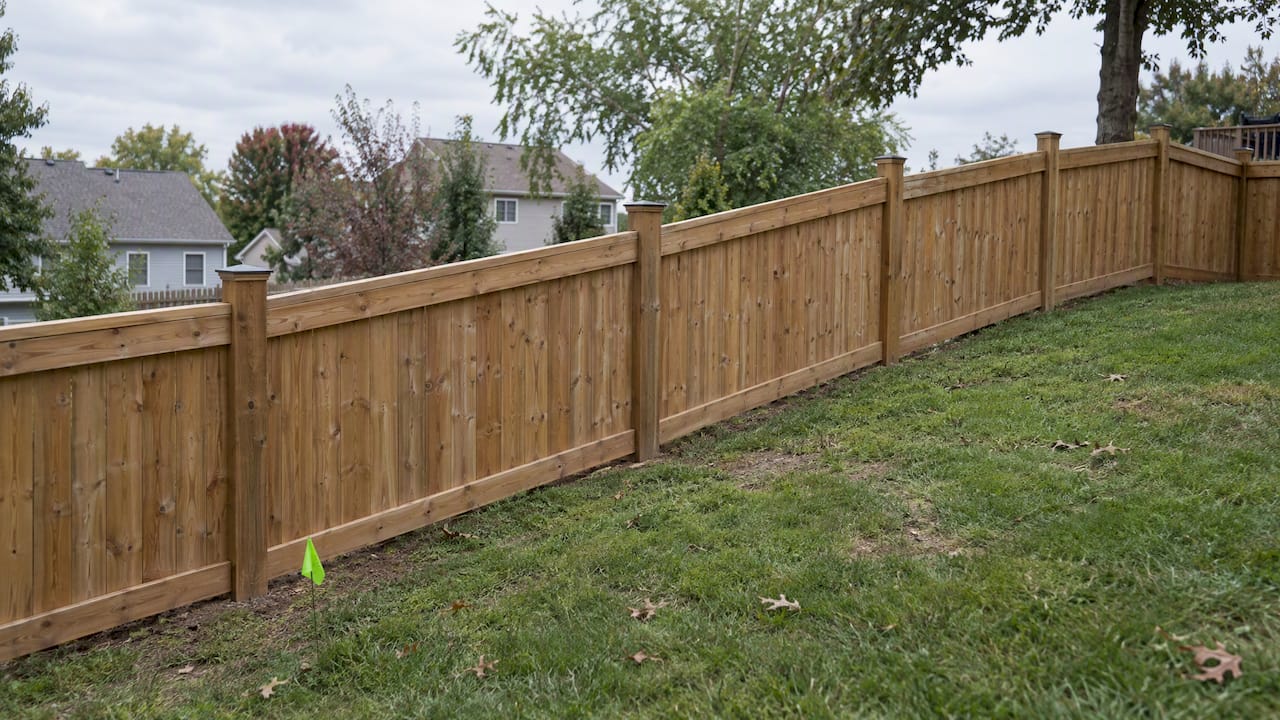
Most patios take 2 to 5 weeks from the first conversation to the last cleanup, but the crew is usually on your property for only a few days of that. One contractor guide puts the full process, including design, permitting and construction, at 2 to 5 weeks, with on-site work on a concrete patio often finished in 2 to 4 days. The rest is planning, scheduling, weather and curing. Here is where the time goes, and what can stretch it, for homeowners in Wentzville, St. Peters, O’Fallon and across St. Charles County.
TL;DR
- Total timeline: plan on roughly 2 to 5 weeks from design to finished patio. Larger or more complex projects take longer.
- Build days: a standard concrete patio is often 2 to 4 days of on-site work. Pavers and larger layouts usually need more.
- Curing is not optional: concrete needs about 7 days of proper curing (3 days for high-early-strength mixes) before it is treated as finished.
- Biggest delays: permit review on anything attached to the house, drainage problems found late, and cold or wet weather.
- Best way to save time: settle the design, drainage and any permit questions before the crew arrives.
Table of Contents
- The patio timeline at a glance
- Phase 1: Design and planning
- Phase 2: Permits and approvals
- Phase 3: Scheduling and materials
- Phase 4: Excavation and base preparation
- Phase 5: Pouring concrete or laying pavers
- Phase 6: Curing, the wait nobody plans for
- How weather changes the timeline
- Drainage: the delay you can avoid
- Our perspective: slow down at the start, move fast on site
- How to keep your patio on schedule
- Planning a patio with Precision Outdoor Solutions
- FAQ
- Sources
The patio timeline at a glance
The table below shows typical ranges for a single residential patio. Your project may land outside them, and we explain why in the sections that follow.
| Phase | Typical duration | What happens |
|---|---|---|
| Consultation and design | A few days to 2 weeks | Site visit, measurements, layout, material choice |
| Permit check and approvals | Same day to several weeks | Confirming whether your scope needs a permit |
| Scheduling and materials | 1 to 3 weeks, season dependent | Crew booking, material ordering and delivery |
| Excavation and base prep | 1 to 2 days | Removing sod and soil, grading, compacting the base |
| Forming and pouring, or laying pavers | 1 to 3 days | Forms and reinforcement, then concrete or paver installation |
| Curing or settling | 3 to 7 days for concrete | Keeping the slab moist and protected |
| Cleanup and walkthrough | Half a day | Final grading, sealing if planned, final check |
These figures are planning ranges, not promises. The 2 to 5 week total and the 2 to 4 day concrete build window come from the Renology patio guide. The curing numbers are covered further down.
Phase 1: Design and planning
This is the phase homeowners most often underestimate, and it is the one that most affects everything after it. Before anyone digs, you and your contractor need to settle:
- Where the patio goes and how big it is
- Which material fits your budget and your yard: poured concrete, pavers or another surface
- How people will get to it from the house, including steps if the grade changes
- Where water will go when it rains
- Whether you plan to add a cover, pergola, fire feature or seating wall later
A simple rectangular slab can be designed in a few days. A multi-level patio with seating walls, lighting and a connection to existing landscaping can take a couple of weeks of back-and-forth. That is normal, and it is time well spent. Changes made on paper cost nothing. Changes made after the pour cost a lot.
If your patio is part of a bigger yard plan, our landscape design service covers layout and material selection together, so the patio fits the rest of the property. For a look at how this process works, see our guide to landscape design when drainage comes first.
Phase 2: Permits and approvals
This is the hidden part of many timelines. The construction itself is short. Waiting on paperwork is not.
In Wentzville, a standard ground-level patio slab does not generally need a building permit, but that changes once you add structure. The City’s building permits page explains the process, and it notes that since February 23, 2026, permit applications go through the SmartGov Permit Portal, where you need an account before applying. Covers, pergolas and anything attached to the house can trigger review and inspections. The City’s deck building guide lists the triggers for raised structures, including decks more than 30 inches above grade and any deck attached to the house.
Practical advice:
- Call or check with the building division in your city before design is final. Rules differ between Wentzville, St. Peters, O’Fallon and Troy.
- Ask your contractor which parts of your scope, if any, need a permit and who files it.
- Submit complete paperwork. Incomplete applications are the usual reason review drags on.
- If inspections are required, ask your contractor to build them into the schedule so the crew is not waiting on an inspector.
A plain patio with no permit adds no time here. A patio with an attached cover can add weeks. Neighborhoods with a homeowners association may have their own approval step too, so check your covenants.
Phase 3: Scheduling and materials
Once the design is approved, your project goes on the crew calendar. In spring and early summer, reputable contractors fill up. Fall can be a good time to book, since fewer people are scheduling outdoor work, though the shorter days and colder nights come into play for concrete (more on that below).
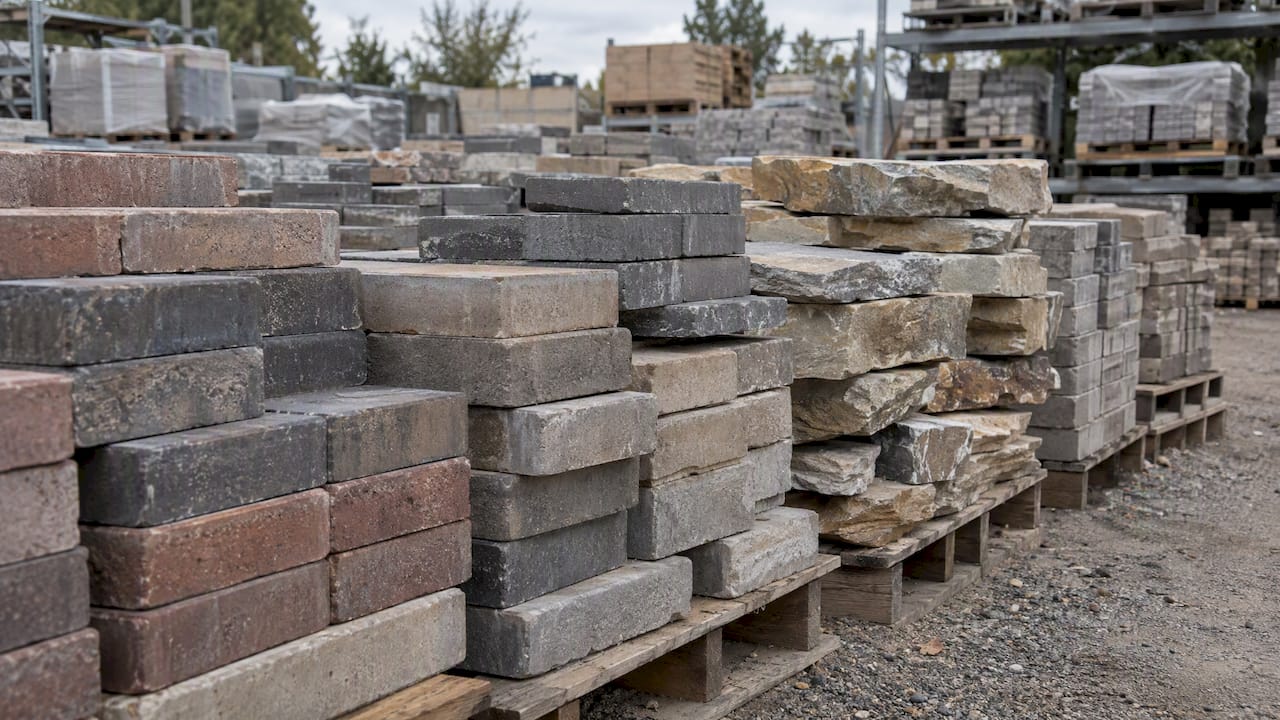
Materials are usually quick for common concrete mixes and standard pavers. Specialty pavers, natural stone or custom colors can take longer to arrive, so confirm availability when you choose, not after you sign.
Phase 4: Excavation and base preparation
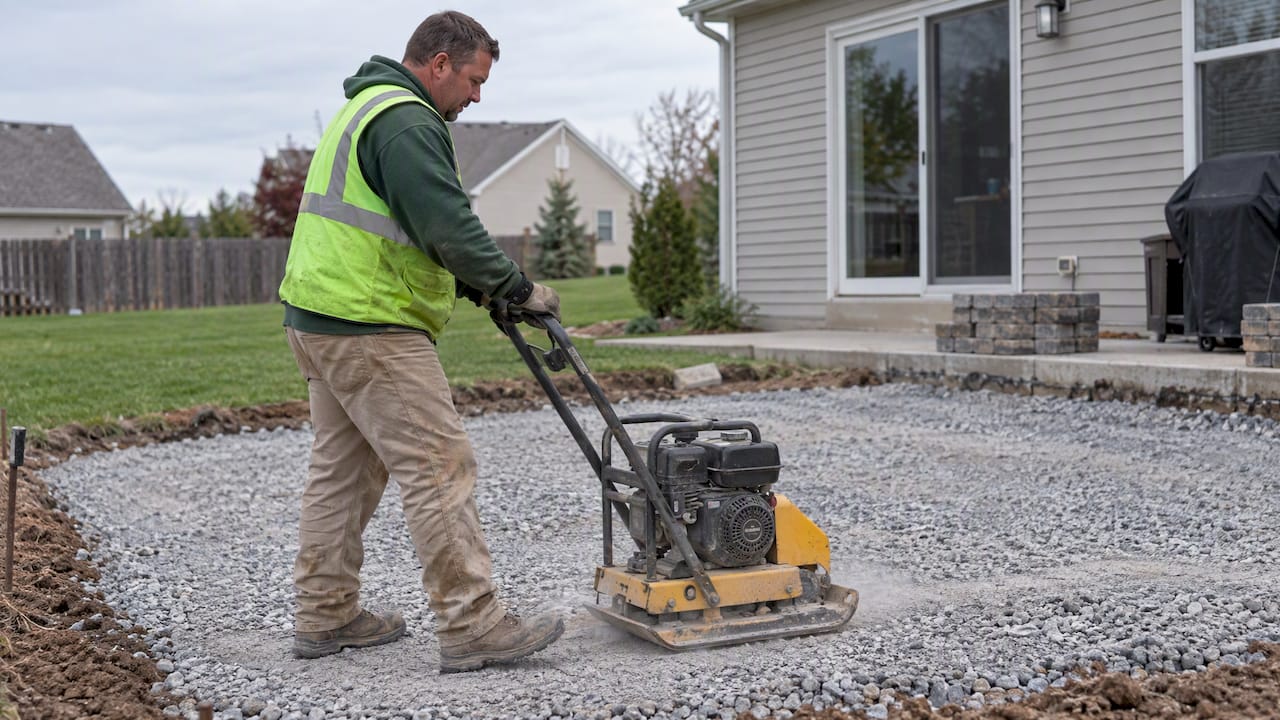
This is day one on site, and it decides how long the patio lasts. The crew removes sod and soil, sets the grade, and builds a compacted base. We go into the details in our guide to patio base preparation and what to check at 4 to 6 inches.
Expect 1 to 2 days for an average patio. Add time when:
- The yard slopes and needs grading or retaining
- The soil is soft, clay-heavy or holds water
- Old concrete, roots or buried debris need to come out
- Access is tight and equipment cannot reach the work area
Do not push to shorten this phase. A thin or poorly compacted base is a common reason slabs and pavers settle and crack later.
Phase 5: Pouring concrete or laying pavers
Concrete patios
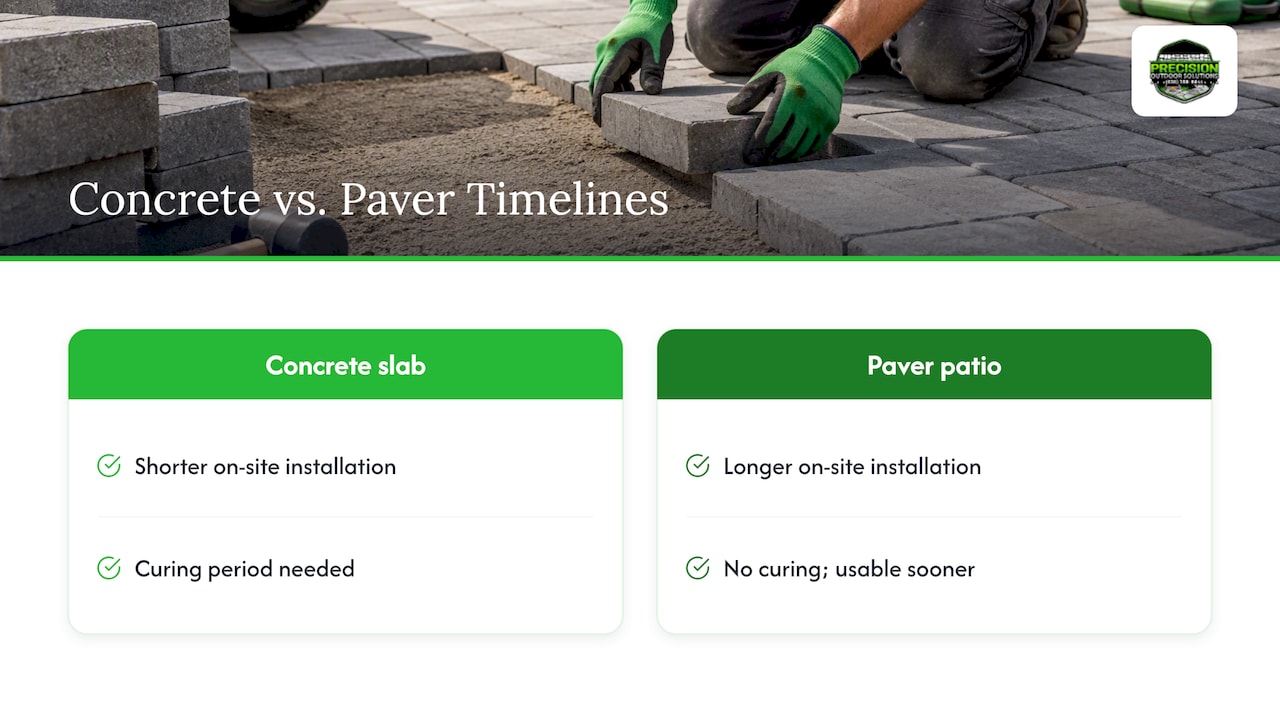
Forming, placing reinforcement, pouring and finishing typically fit into one to a few days for a standard slab. The pour itself is fast, often a single day, because ready-mix concrete has a short working window. A Penn State residential concrete study notes that concrete from a truck may not be usable beyond about 90 minutes, which is why crews prepare everything before the truck arrives. If you are weighing thickness and reinforcement, our article on concrete patio thickness explains why base prep and targeted reinforcement matter more than simply going thicker.
Paver patios
Pavers take longer on site than a slab because every unit is placed by hand, cut at the edges and locked in with edge restraints and joint material. A small paver patio can be done in a few days. A larger one with curves, borders or steps can take a week or more. The upside is that pavers do not need a curing period the way concrete does, so you can use the patio sooner after the last paver is set. For how paver patios hold up over time, see our piece on building paver patios that last 25 to 50 years.
Phase 6: Curing, the wait nobody plans for
Concrete does not dry; it cures, a chemical process that needs moisture and the right temperature. Rushing it is the most common way to damage a good pour.
Iowa State’s transportation institute advises curing exterior slabs for at least 7 days for standard mixes, and 3 days only for high-early-strength mixes. Skipping that window can leave the surface weaker against freezing, thawing and abrasion, which matters in a Missouri winter.
What that means for you:
- Day 1 to 2: keep off the slab entirely. Pets and kids too.
- Around day 3 to 7: light foot traffic is often fine, but ask your crew for their specific guidance.
- After 7 days: most contractors allow furniture and regular use. Ask about heavy items like grills, hot tubs or vehicles. Concrete keeps gaining strength well beyond the first week.
If the slab dries out too quickly, cracking is more likely. Your crew should keep it moist or covered as the mix and weather require.
How weather changes the timeline
Temperature controls how fast concrete sets. According to Penn State’s setting time reference, initial set takes roughly 6 hours at 70°F and can stretch to about 14 hours at 40°F. Freezing temperatures below 30°F essentially stop the setting process, which is why cold-weather protection is a professional job.
In St. Charles County, that gives you a rough seasonal picture:
| Season | What to expect |
|---|---|
| Spring | Busy calendars, frequent rain delays, soft ground |
| Summer | Fastest setting, but heat can dry a slab too quickly, so curing care matters |
| Fall | Often a comfortable window for pouring, but later in the season nights cool and daylight shortens |
| Winter | Possible, with cold-weather protection, but expect more schedule risk |
It is mid-October as we write this. If you want a concrete patio this year, the window is narrowing, so decide soon and ask your contractor how they would protect a pour if temperatures drop. Pavers are less sensitive to cold than fresh concrete, though frozen or saturated ground still makes excavation and base work harder.
For a deeper look at cold-weather concrete, this guide on freeze-thaw damage to concrete floors explains how trapped moisture expands when it freezes, which is the same stress a new patio faces in its first winter.
Rain matters too. Crews generally will not pour into a downpour, and saturated soil can delay excavation. Build a few buffer days into your plans, especially if you are hosting an event.
Drainage: the delay you can avoid
Water is the biggest cause of mid-project surprises. If a crew digs and finds the yard holds water, or discovers that a slab would block a natural flow path, work stops while the plan changes.
The City of Wentzville’s property drainage page is a good reminder that easements and public drainage infrastructure often sit on private property, so it is worth knowing what is on your lot before you build. A patio should slope away from the house, and you should not block downspouts or existing water paths with it. We cover the numbers in our guides on patio drainage design with a 1.5% slope and a soil test and fixing pooling water.
It also affects cost. Angi reports a national average of $4,007 for a patio in 2026, with most homeowners paying between $2,029 and $6,089, and prep work such as grading and drainage typically adding $500 to $1,000. Deciding on drainage during design is faster and cheaper than fixing it after the pour. If your yard already has standing water, our yard drainage solutions can be planned alongside the patio.
Our perspective: slow down at the start, move fast on site
After more than 25 years of building outdoor spaces in Wentzville and St. Charles County, we see the same pattern. Projects that run smoothly spend their time in the right place: a careful look at the site, a design that accounts for drainage, and a clear schedule. Projects that run into trouble skip those steps to start digging sooner.
We think a good timeline has three qualities. It is honest about weather and curing. It gives you updates when something changes. And it never trades base preparation or curing time for speed, because a patio that is ready a few days sooner but cracks in two winters is not a good trade. That is why we talk through drainage, permits and material choices with you before we schedule a crew.
— Precision Outdoor Solutions
How to keep your patio on schedule
- Decide on scope early. Adding a cover or fire feature mid-project can trigger permit review and new materials.
- Ask about permits up front. Confirm with your city’s building division and with your contractor.
- Get drainage settled in the design. Do not leave it for later.
- Choose materials before you sign. Confirm lead times.
- Ask for a written schedule. It should list the expected start, build days, curing time and what happens if weather delays work.
- Plan the curing week. Do not schedule a party or furniture delivery for the day after the pour.
- Be reachable. Quick answers on small decisions, like a joint color or a step location, keep crews moving.
When you compare bids, look at how detailed the schedule is. A contractor who can explain each phase usually runs a more predictable job. Our guide on choosing the right hardscape contractor lists what to ask. For a broader view of what affects timing on bigger yard work, see our article on landscaping project timelines from days to 12+ weeks.
If you are budgeting as well as scheduling, labor is a large part of the total. HomeAdvisor lists concrete labor at about $5 to $15 per square foot, and our paver patio cost guide goes into realistic budgets for paver work.
Once the patio is done, it will need occasional care. If you want to know what upkeep costs, this overview of paver cleaning costs shows what homeowners typically pay for professional cleaning.
Planning a patio with Precision Outdoor Solutions
Precision Outdoor Solutions designs and builds patios for homeowners in Wentzville and across St. Charles County. We handle the site consultation, design, material selection and installation, and we keep you updated on timing from the first visit to the final walkthrough. If you want a schedule built around your property, start with our hardscape and patio installation page, or look at our concrete services if a poured slab is your plan.
FAQ
How long does it take to build a patio?
On-site work for a standard concrete patio is often 2 to 4 days, and the full process from design to completion generally runs 2 to 5 weeks. Paver patios and larger designs take longer. Permits, weather and curing are the usual reasons a project goes past that range.
How long should I wait before using a new concrete patio?
Stay off it completely for the first day or two, and expect light foot traffic to be fine after a few days if your crew agrees. Standard mixes should be cured for about 7 days, and 3 days applies only to high-early-strength mixes. Hold off on heavy furniture, grills and vehicles until your contractor says it is ready.
Do I need a permit for a patio in Wentzville?
A standard ground-level patio slab generally does not, but adding a cover, pergola or anything attached to the house can change that. Check with the City of Wentzville’s building division before you finalize the design, and ask your contractor to confirm the requirements for your exact scope.
Can a patio be poured in late fall or winter?
It can be, with the right planning. Concrete sets slowly in cool weather and nearly stops below 30°F, so crews need cold-weather protection and some flexibility on dates. Ask any contractor how they would handle a cold snap before you book.
Why does drainage affect how long a patio takes?
Because water problems found during excavation force a design change mid-project. Settling slope, downspout routing and base needs in the design phase prevents that and protects your foundation later.
Sources
- Deck & Patio Cost & Guide, Renology
- Setting time of concrete at various temperatures, Penn State
- How much does it cost to install a patio, Angi
- Curing for exterior concrete slabs, Iowa State InTrans
- Building permits, City of Wentzville
- Deck building guide, City of Wentzville
- Property drainage, City of Wentzville
- Quality of concrete construction in residential building, Penn State PHRC
- How much does it cost to build a concrete patio, HomeAdvisor
Recommended
- From Days To 12+ Weeks: Landscaping Project Timelines For Homeowners
- 25–50 Years: How Homeowners Build Paver Patios That Last
- DIY Patio Base Preparation: Pro Checks For A 4 To 6 Inch Base
- Patio Drainage Solutions That Actually Stop Water Pooling
This article was prepared with AI assistance for general information. For recommendations specific to your property, contact Precision Outdoor Solutions. Call or text us at (636) 358-8644.