Three approaches cover nearly every backyard privacy need: a solid-material fence for instant screening, a living plant screen for a softer and eco-friendly buffer, or a hybrid that blends both for layered privacy and curb appeal. Choose a solid fence when you need privacy now, lean on plants when noise and wildlife value matter more than speed, and always check your local height and permit rules before you break ground.
TL;DR:
- Solid fences like board-on-board or shadowbox styles provide immediate privacy, but maintenance costs and style choices vary by material.
- Living screens require two to four years to fully fill in, and layering diverse plant species enhances resilience against pests and diseases.
- Temporary solutions such as trellises, lattice panels, or portable plant screens offer flexible privacy options on small yards or balconies.
- DIY fences using reclaimed materials or phased installations can be cost-effective, but proper drainage and post-depth are crucial for longevity.
- Always verify local height and setback rules, permit requirements, and easements before installing any permanent privacy structures.
Table of Contents
- 1. Hard-material privacy fence styles worth considering
- 2. Living screens and hedges: planting for lasting privacy
- 3. Small-yard and balcony privacy solutions
- 4. Budget and DIY privacy approaches that still look intentional
- 5. Siting, permits, and height rules to check first
- 6. Maintenance and durability tips that extend fence life
- 7. What contractors check that homeowners often miss
- Privacy versus curb appeal: finding the right balance
- How we help with privacy fence design and installation
- FAQ
- Sources
1. Hard-material privacy fence styles worth considering
A solid fence gives you privacy the day it’s installed, and the style you pick shapes both the look and the upkeep ahead of you. Board-on-board designs overlap vertical boards so no gaps show from either side, a popular pick for full coverage without a flat, blank look. Shadowbox fencing alternates boards on opposite sides of the rails, which lets air and some light through while still blocking direct sightlines, a good option if your yard needs airflow for plants or pets. Solid flat-top wood panels are the most affordable route to full privacy but show weather wear fastest. Capped board styles add a trim cap along the top edge, which sheds water and slows rot at the exposed grain.
Vinyl and composite panels cost more upfront but need far less maintenance over time, since they won’t need staining or sealing. Metal privacy fencing, including modern slatted aluminum or steel panels, suits contemporary home styles and holds up well in wet or humid climates, though dark metal finishes can get hot to the touch in full sun.
- Wood costs the least upfront but needs regular sealing and eventually warps or rots.
- Vinyl resists weather and insects with minimal upkeep, at a higher material cost.
- Composite blends wood fibers and plastic for a natural look with vinyl-level durability.
- Metal slatted panels fit modern designs and handle moisture well but can dent or show scratches.
2. Living screens and hedges: planting for lasting privacy
A single-species hedge looks tidy at first, but one pest outbreak or disease can wipe out the whole screen at once. Extension guidance recommends a layered, mixed-species planting instead: primary fast-growing evergreens for height, secondary plants for texture and backup coverage, and understory fillers to close gaps near the ground. This approach protects against total loss if one species struggles, and it reads as more natural than a wall of identical shrubs.
When choosing species, match them to your site conditions:
- Evergreen conifers (arborvitae, Leyland cypress types) suit full sun and give year-round screening.
- Broadleaf evergreens (holly, cherry laurel) tolerate partial shade and add density.
- Native deciduous shrubs fill in during the growing season and often resist deer better than ornamentals.
Extension experts specifically advise against invasive shrubs like privet and point homeowners toward native evergreen alternatives suited to local conditions.
In heavy clay soil, amend the entire planting bed rather than just the individual holes. Horticultural guidance warns that amending single holes creates a bathtub effect where water collects and rots roots. Plant at true root-flare depth and stagger rows rather than lining plants up in a single row, which builds a fuller screen as plants mature. Expect two to four years before a living screen reaches full privacy height, depending on species and site conditions.
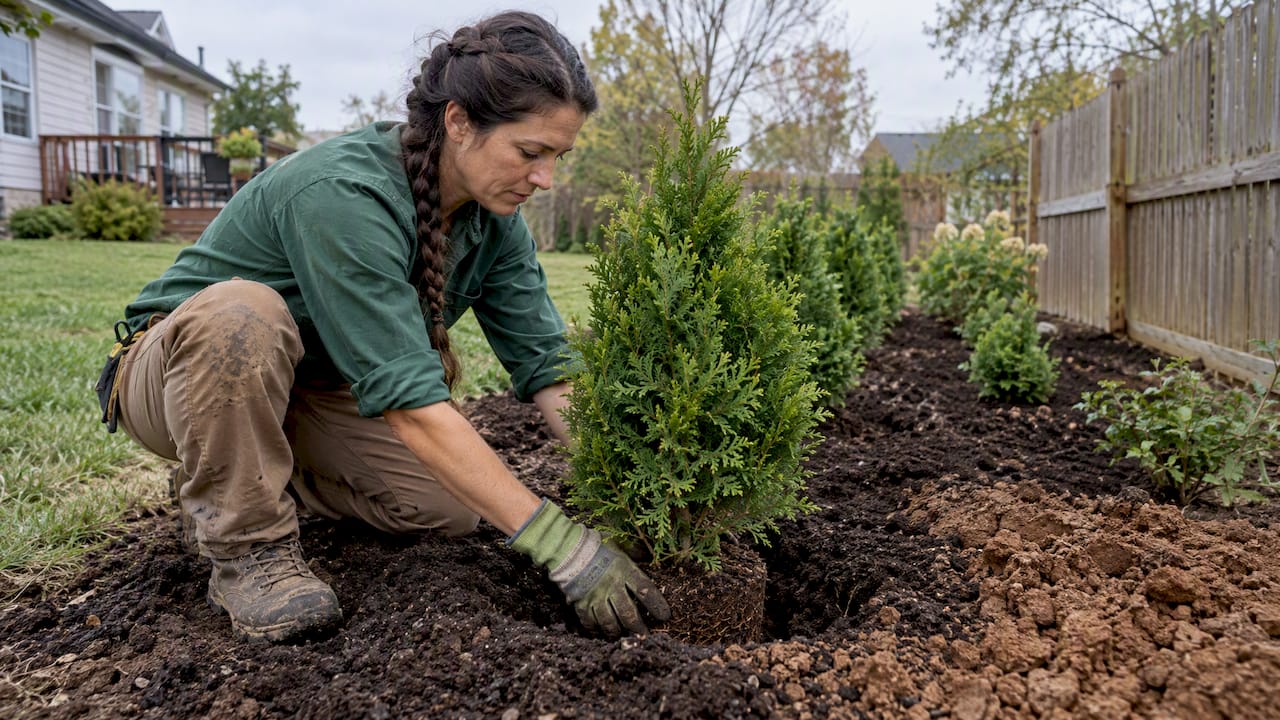
Pro Tip: Fill gaps with fast-growing annual vines or temporary lattice while your permanent screen fills in, so you’re not staring at bare ground for years.
3. Small-yard and balcony privacy solutions
When a full fence isn’t practical or allowed, vertical and portable options can still block sightlines effectively. A trellis with climbing vines like clematis or climbing hydrangea adds green coverage without eating up ground space, and lattice panels paired with container plants work well on patios and decks. Bamboo planters arranged in a row create a natural-looking screen that’s easy to rearrange.
- Trellis and vine combos add height fast without a permanent structure.
- Lattice with climbing plants softens hard railings on decks and balconies.
- Portable privacy panels can be anchored to deck rails with clamps instead of screws, avoiding structural damage.
- Bamboo or tall grass planters give you flexible, movable screening you can shift with the season.
Match materials and finishes to your home’s exterior, since a mismatched panel style can look like an afterthought even when it solves the privacy problem.
4. Budget and DIY privacy approaches that still look intentional
You don’t need a full custom build to get real privacy. Reclaimed wood panels, corrugated metal sheets, or privacy slats woven into existing chain-link all deliver screening at a fraction of new-fence cost.
- Reclaimed wood or pallet boards give a rustic look for little more than the cost of fasteners.
- Privacy slats in chain-link are a low-cost retrofit if you already have a chain-link fence.
- Phased installs let you put up temporary lattice or fast-growing annuals now and add a permanent fence or hedge later.
- Shallow post depth and poor drainage are the most common DIY mistakes. Dig below your region’s frost line and add gravel at the base of each post hole.
A staged approach spreads out cost while still giving you usable privacy in the first season. For a closer look at common build-focused ideas and pro-level construction details, these privacy fence build tips cover practical options worth comparing against your own plan.
5. Siting, permits, and height rules to check first
Before you dig a single post hole, confirm what your local code allows. Municipal fencing regulations commonly cap solid fences around 6 feet, with some jurisdictions allowing taller fences only under specific conditions or written neighbor consent.
- Check height limits for your zone, since solid fences over 6 to 7 feet often trigger a permit requirement.
- Confirm easement locations, including utility and drainage easements, since a fence built over one risks forced removal.
- Review setbacks and visibility triangles near driveways and corners, where fences can’t block sightlines.
- Check HOA rules in addition to municipal code, since many HOAs set their own material and height standards.
- Prepare a scaled site plan showing property lines, setbacks, and easements. Permit guidance from municipal fence applications lists this as a standard requirement that, when missing, commonly delays approval.
Our privacy fence height checklist walks through these steps in more detail if you want a printable reference before you apply.
6. Maintenance and durability tips that extend fence life
- Wood fences need sealing or staining roughly every two to three years and a periodic check of fasteners for rust or loosening.
- Vinyl and composite panels need only an occasional hose-down or mild soap wash to stay looking new.
- Living screens benefit from annual pruning, a fresh layer of mulch each spring, and quick replacement of any plant that dies before the gap widens.
- Post holes should include gravel at the base for drainage and be set below the frost line to prevent heaving.
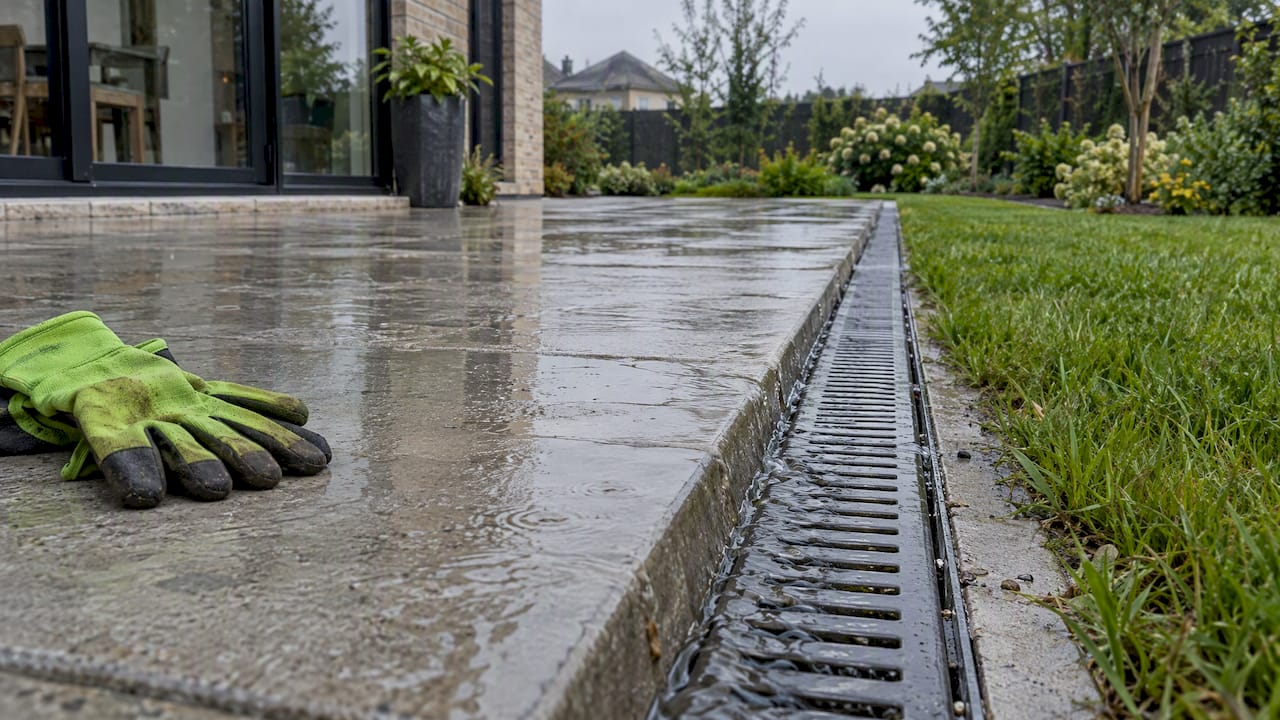
Pro Tip: If you notice standing water around fence posts after rain, that’s a drainage issue worth addressing before it undermines the whole structure. Persistent pooling is often a sign you need a dedicated yard drainage solution rather than a quick fix at the post.
7. What contractors check that homeowners often miss
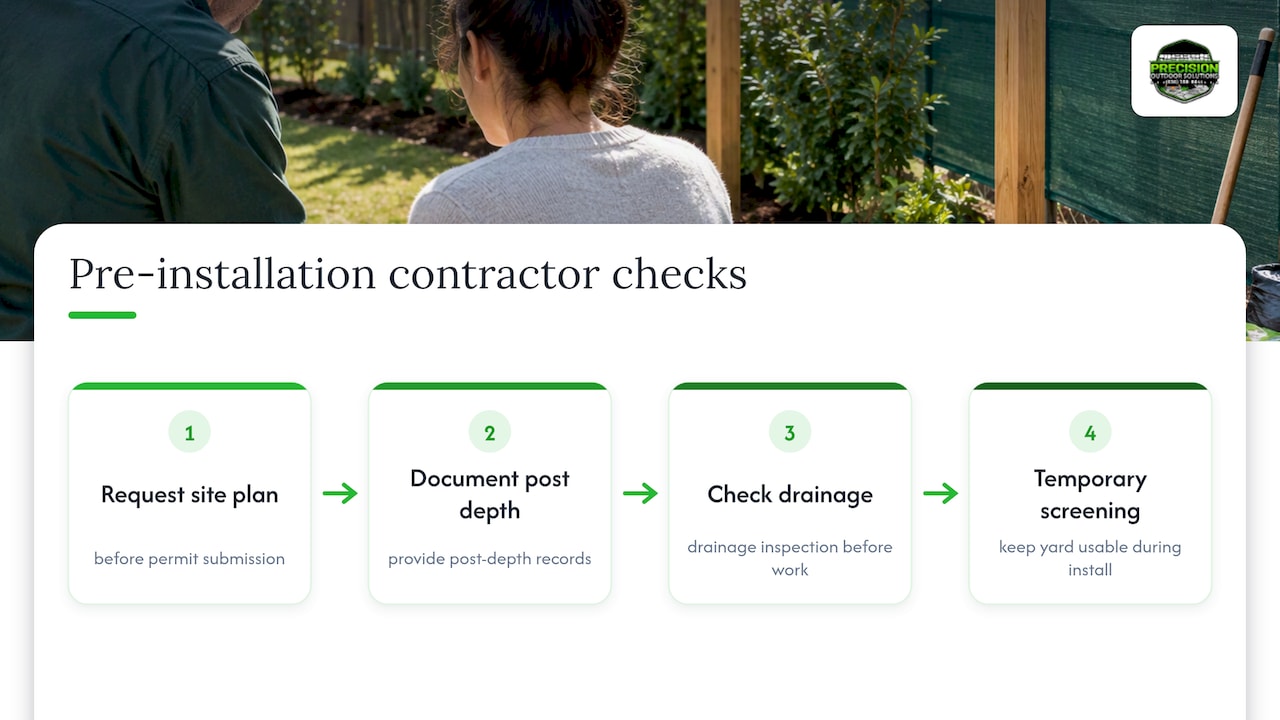
Experienced crews watch for a few recurring issues: plants spaced too tightly for instant fullness (sometimes called puppy-syndrome spacing), which leads to crowding and dieback later, and planting holes dug individually in clay instead of amending the full bed. Ask any contractor for post-depth documentation and a drainage check before work begins, and request a site plan up front rather than after a permit gets rejected. With over 25 years in outdoor construction, we’ve found that a short temporary screening plan during installation keeps a yard usable while permanent plantings establish. Our contractor-backed fencing advice covers more of these checks in detail.
Privacy versus curb appeal: finding the right balance
Full screening isn’t always the goal. Layered plantings or partial-height fencing can block the view that bothers you most while keeping your yard open and welcoming. Talk with neighbors and check HOA rules early. A quick conversation can prevent a dispute after the posts are already set.
**
How we help with privacy fence design and installation
Planning a privacy fence or living screen gets easier with a site visit from someone who can flag drainage issues, easements, and permit requirements before you commit to a design. We offer fence installation, landscape design for mixed plant-and-fence solutions, and drainage work if standing water is part of the problem.

A good first step is a consultation where you share your property survey, any HOA guidelines, and your priority (speed, maintenance, or budget).
- Ask about post depth and drainage prep before signing a contract.
- Bring your property survey and any HOA documents to the first meeting.
- Discuss whether a hybrid design fits your yard better than an all-fence or all-plant approach.
Reach out through our fence installation page or explore landscape design services to get started on a plan built for your property.
FAQ
What is the best material for a privacy fence?
The right material depends on your priorities: wood costs less upfront but needs regular sealing, while vinyl and composite cost more initially but need very little maintenance. Metal slatted panels suit modern home styles and hold up well in humid climates.
How tall can a privacy fence be without a permit?
Limits vary by city, but municipal codes commonly cap solid fences around 6 feet before a permit is required, with some allowing taller fences under specific conditions. Always confirm the exact limit with your local building or zoning department before building.
How long does a living privacy screen take to fill in?
Most mixed-species living screens take two to four years to reach full privacy height, depending on species and site conditions. Fast-growing annual vines or temporary lattice can cover gaps while permanent plants establish.
Can I combine a fence and plants for privacy?
Yes, a hybrid approach pairs a shorter fence with layered planting in front, which softens the structure’s look while still blocking sightlines. This combination often satisfies HOA aesthetic rules better than a tall solid fence alone.
What’s the biggest mistake homeowners make with DIY privacy fences?
The most frequent issues are setting posts too shallow and skipping drainage gravel at the base of post holes, both of which shorten a fence’s lifespan. Digging below the frost line and adding gravel drainage at each post prevents most of these early failures.
Sources
- Privacy hedges: how we should use plants to hide – Lee County Center, N.C. Cooperative Extension
- W874-C Living Screens for Tennessee Landscapes
- Selecting shrubs for privacy inside a chain link fence – Ask Extension
- Fencing regulations | Austin Development Services
- Fence permit application guidance (Jasper, IN)
Recommended
- Avoid Permit Delays: Privacy Fence Height Checklist For Homeowners
- Target Sightlines To Fix Backyard Privacy Landscaping For Homeowners
- Fence Setback Rules: Height Limits And Property Line Distances
This article was prepared with AI assistance for general information. For recommendations specific to your property, contact Precision Outdoor Solutions. Call or text us at (636) 358-8644.