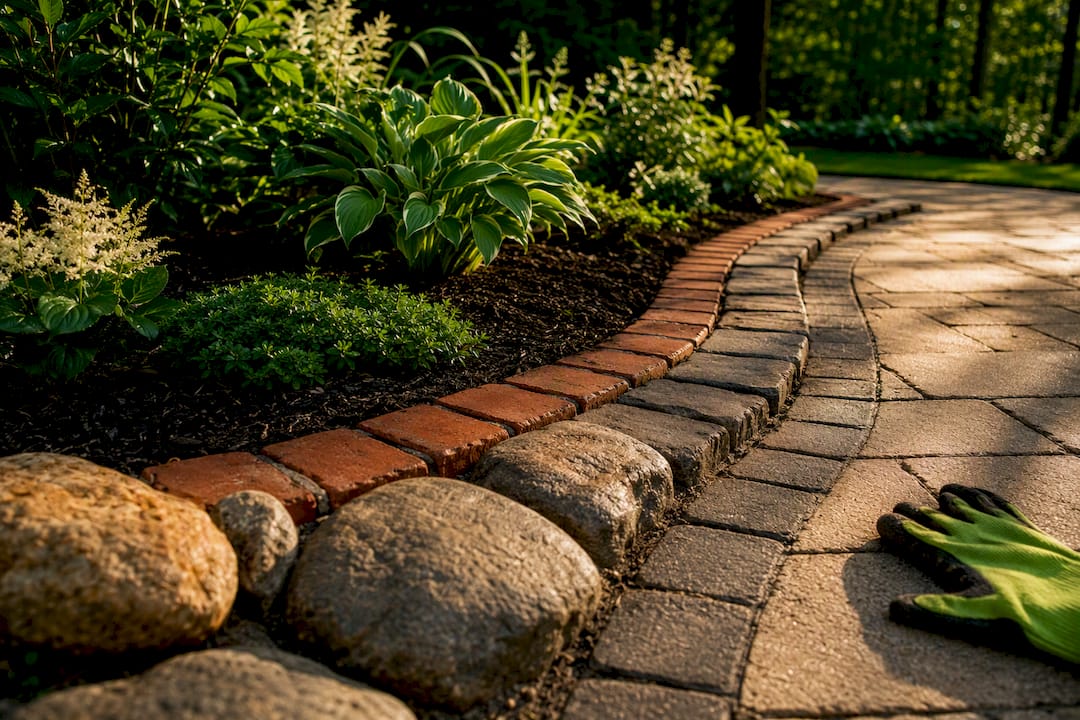
Start with a sunny patch that gets ample direct light, then plant native perennials like milkweed, purple coneflower, and Liatris in clusters instead of single plants. Expect the bed to look thin initially while roots establish, and skip pesticides entirely. Water new plants often for the first season, then let them fend for themselves as they mature over subsequent growing seasons.
TL;DR:
- Native Missouri plants, especially milkweed, coneflower, and Liatris, require proper site selection, soil preparation, and patience during the establishment phase.
- Planting in fall allows seeds to naturally stratify, while spring or fall transplants benefit from transplanting during early growth seasons; expect one to two years for full development.
- Loosening clay soil well beyond the root zone and adding native soil and compost ensures healthy root growth and reduces plant failure risk.
- Grouping plants in clusters rather than scattering improves pollinator foraging efficiency and enhances visual impact for local pollinators.
- Avoid invasive species like butterfly bush and bush honeysuckle, and opt for local ecotype seed to maintain native biodiversity and pollinator support.
Table of Contents
- Why Missouri Native Plants Are the Best Choice for a Pollinator Garden
- How to Pick the Right Spot and Timing for Your Missouri Garden
- Which Native Plants Should You Grow for Season-Long Blooms?
- How Do You Prepare Missouri Soil and Plant Correctly?
- Seasonal Maintenance That Keeps Your Garden Pollinator-Safe
- What Habitat Features Support More Pollinators?
- How Precision Outdoor Solutions Helps Missouri Homeowners Get It Right
- What Invasive Plants Should You Avoid in a Missouri Garden?
- Missouri Native Pollinator Gardens: What the Conventional Advice Misses
- Ready to Start? Book a Pollinator Garden Consultation
- Where to Learn More and Find Native Plants Locally
- Sources
- FAQ
Why Missouri Native Plants Are the Best Choice for a Pollinator Garden
Native perennials are built for Missouri’s swings between drought and downpour, clay soil, and hot summers, so they need far less watering and fussing than nursery hybrids once they’re established. They also carry the exact nectar and pollen loads that Missouri bees, butterflies, and moths have relied on for thousands of years. Milkweed isn’t just a nice-to-have flower; it’s the only plant monarch caterpillars can eat.
Choosing local ecotype stock over generic “native” seed from out of state matters too. Plants grown from Missouri seed sources outperform non-local stock because they’re genetically tuned to our rainfall patterns and soil chemistry.
Beyond feeding pollinators, a native bed does real structural work in your yard:
- Deep root systems help hold soil on slopes and reduce erosion.
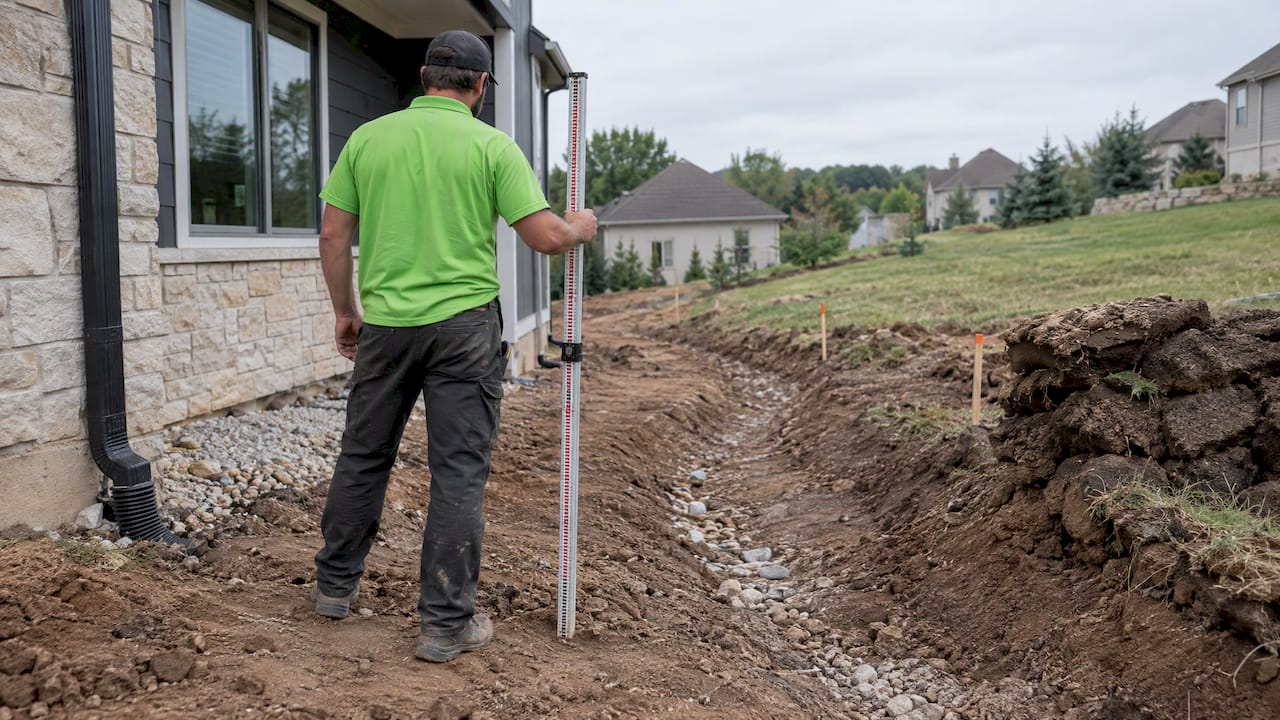
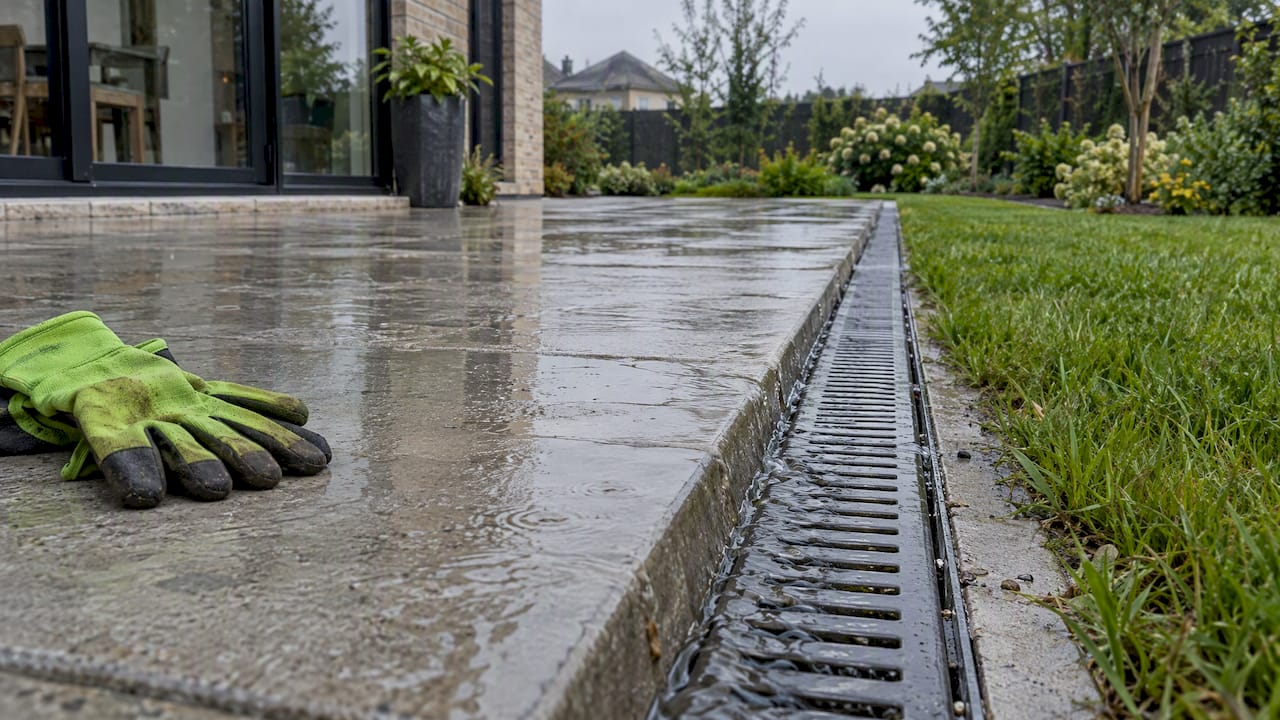
- Dense plantings can slow stormwater runoff, which helps in yards with drainage problems.
- Staggered bloom times help ensure flowers are present across a long growing season, not just for a brief period.
How to Pick the Right Spot and Timing for Your Missouri Garden
Walk your yard during a storm before you plant anything. Watch where water pools and where the sun actually falls once trees leaf out, since that kind of observation tells you more than guessing ever will. Most prairie natives, including coneflower and Liatris, prefer long periods of direct sun and may not thrive in shade. If you have a low spot that stays damp after rain, consider swamp milkweed and Joe-Pye weed, which tolerate wetter conditions.
Timing matters as much as placement:
- Fall seeding (mid-November through mid-March) gives seeds the cold stratification many native species need to germinate.
- Spring transplanting (March through May) and fall transplanting (September through November) both work well for potted plugs.
- Missouri’s last frost lands around April 15, and the first fall frost typically arrives around October 15.
Establishment isn’t instant. Budget one to two full growing seasons before your garden hits its stride. New transplants need daily watering at first, and a bed that looks sparse in year one is completely normal. Patience here pays off in years of low maintenance later.
Which Native Plants Should You Grow for Season-Long Blooms?
A good Missouri pollinator bed leans on a handful of workhorse species, each doing a specific job.
- Milkweed (Asclepias species), including common milkweed, swamp milkweed, and butterfly weed, is the required host plant for monarch caterpillars and a magnet for other native bees.
- Purple coneflower (Echinacea purpurea) is the generalist of the bunch, drawing everything from bumblebees to painted lady butterflies from June into August.
- Rough blazing star (Liatris aspera) blooms late summer into fall, right when many perennials are winding down, giving pollinators a critical late-season fuel stop.
- Tickseed coreopsis (Coreopsis lanceolata) shrugs off drought and poor soil, blooming cheerfully in early summer with minimal input.
- Joe-Pye weed (Eutrochium purpureum) thrives in the damper corners of a yard and pulls in swallowtails and skippers by the dozen.
Grouping plants in drifts rather than scattering singles makes it far easier for pollinators to find forage efficiently. For a 10 by 20 foot starter bed, plant three to five species in clusters of three to five plants each rather than one of everything. That gives you visual impact right away while leaving room to expand the bed in future seasons.
Buy from a nursery that sells local ecotype stock or seed mixes bred from Missouri populations. Plugs establish faster than seed for a small bed, while seed mixes make more sense if you’re converting a larger patch of turf.
Pro Tip: If your first bed looks too neat and tidy, it may be because plants were not spaced densely enough. Aim for plants to grow close enough to shade out weeds.
For homeowners weighing plant choices further, our guide to native plants for Missouri yards breaks down species combinations by yard type.
How Do You Prepare Missouri Soil and Plant Correctly?
Missouri clay is the biggest reason new pollinator gardens fail, and it’s usually a technique problem rather than a plant problem. Strip out turf and weeds first, then dig a hole wider than you think you need. Compacted clay left unloosened around a rootball acts like a container that traps water and roots, essentially drowning or strangling the plant even though it looks properly planted.
Break up the clay well beyond the rootball, then backfill with a blend of native soil and compost so roots can actually spread. A few practical rules make the difference between a thriving bed and a struggling one:
- Loosen soil well beyond the rootball to allow roots to spread, not just the planting hole itself.
- Apply mulch moderately, keeping it away from plant stems or crowns to prevent rot.
- Leave some bare patches of soil in sunny spots to support native ground-nesting bees.
Pro Tip: Water new plantings regularly during establishment; once mature, most natives require supplemental water only during prolonged dry periods.
Seasonal Maintenance That Keeps Your Garden Pollinator-Safe
Resist the urge to tidy up in fall. Standing stems and dried seedheads aren’t dead debris. They’re winter shelter for native bees and a food source for birds, and cutting everything down too early removes habitat your garden worked all season to build. Wait until late winter or early spring, once temperatures are reliably above freezing, before you cut back old growth.
Chemical sprays undo everything native plants are meant to accomplish. If pests actually threaten a plant, use targeted treatments applied at night, after bloom, and away from open flowers rather than reaching for a broad-spectrum insecticide.
A realistic yearly rhythm looks like this:
- Deadhead selectively during the season to extend bloom, but leave some seedheads for birds.
- Refresh mulch once a year, keeping it away from crowns.
- Water only during real drought stretches once plants are past their second season.
Our spring cleanup checklist for Missouri yards covers the exact timing for that late winter reset.
What Habitat Features Support More Pollinators?
Plants alone only get you halfway. Ground-nesting bees, which make up the majority of Missouri’s native bee species, need bare, undisturbed soil patches in sun to dig their nests. Leave a few square feet unmulched for that purpose. Stacking a small brush pile or bundling dried stems in a corner gives cavity-nesting bees a place to overwinter, and a store-bought bee hotel works too if it’s mounted in a sheltered, sunny spot.
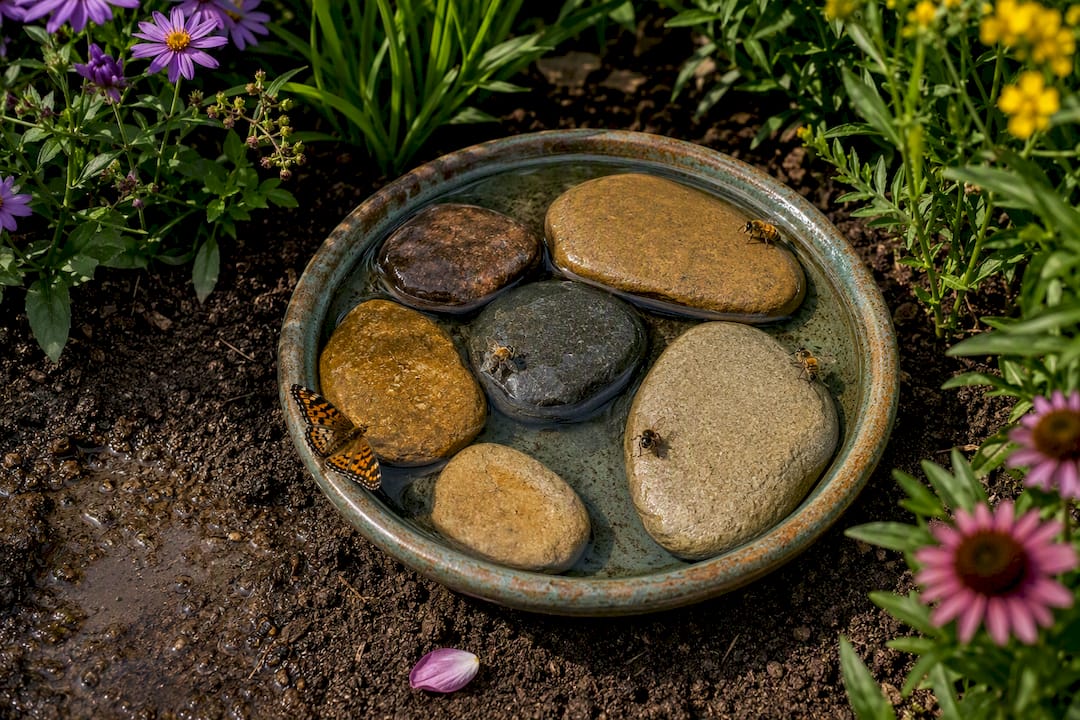
Water matters as much as flowers. A shallow dish with landing stones, refreshed regularly, gives bees and butterflies a place to drink without drowning. A small muddy patch nearby supplies minerals many butterflies actively seek out.
If your yard has a low, damp corner, put it to work instead of fighting it. Swamp milkweed and Joe-Pye weed are naturally suited to rain gardens and wet low spots, turning a drainage nuisance into a habitat asset.
How Precision Outdoor Solutions Helps Missouri Homeowners Get It Right
Precision Outdoor Solutions has spent more than 25 years handling landscaping projects across Wentzville and St. Charles County, and pollinator gardens run into the same site issues as patios and retaining walls: bad drainage, compacted clay, and yards that never had a real plan. Our team handles site assessment, drainage correction, native plant sourcing, and phased meadow conversions for homeowners who want to expand a pollinator bed over several seasons rather than all at once.
If you’re weighing whether to tackle a project yourself or bring in help for the harder parts like regrading a wet corner or fixing standing water before you plant, a site consultation is a practical place to start.
What Invasive Plants Should You Avoid in a Missouri Garden?
Not everything sold as a “pollinator plant” at a big box store belongs in a Missouri yard. Several popular ornamentals have escaped cultivation and now crowd out the native species pollinators actually depend on.
Butterfly bush (Buddleja davidii) draws butterflies to its flowers but offers no host value for caterpillars, and it self-seeds aggressively along Missouri roadsides and stream banks. Bush honeysuckle, sold widely for decades as a hedge plant, has become one of the most damaging invasives in the state, forming dense thickets that shade out native wildflowers before they get a chance to bloom. Callery pear, including the “Bradford” variety, spreads from bird-dropped seed into fields and forest edges and is now restricted from sale in Missouri.
Purple loosestrife is another one to avoid near any wet or low-lying garden area. It looks similar to native blazing stars and ironweed but takes over wetlands and drainage ditches fast, choking out the swamp milkweed and Joe-Pye weed pollinators actually need.
Before buying anything labeled “wildflower mix,” check the species list on the bag. Many cheap mixes include annuals or non-native filler that either fizzle out after one season or spread where you don’t want them. Buying from a nursery that specializes in Missouri natives, or sourcing seed through a known regional supplier, is the simplest way to avoid this problem entirely.
Missouri Native Pollinator Gardens: What the Conventional Advice Misses
Most guides treat a pollinator garden like a shopping list: buy these five plants, dig some holes, done. That framing skips the part that actually determines success in Missouri, which is soil handling. We’ve seen more struggling native beds ruined by compacted clay left untouched at planting than by choosing the wrong species. The plant list matters less than whether the roots can actually spread once they’re in the ground.
The other place conventional advice falls short is patience. Homeowners expect a full, blooming meadow by midsummer of year one, then get discouraged when it looks sparse and pull everything out. A native bed on Missouri clay needs one to two seasons to look like the photos in a seed catalog. That’s not a failure. That’s the plant putting its energy into roots before it puts energy into flowers.
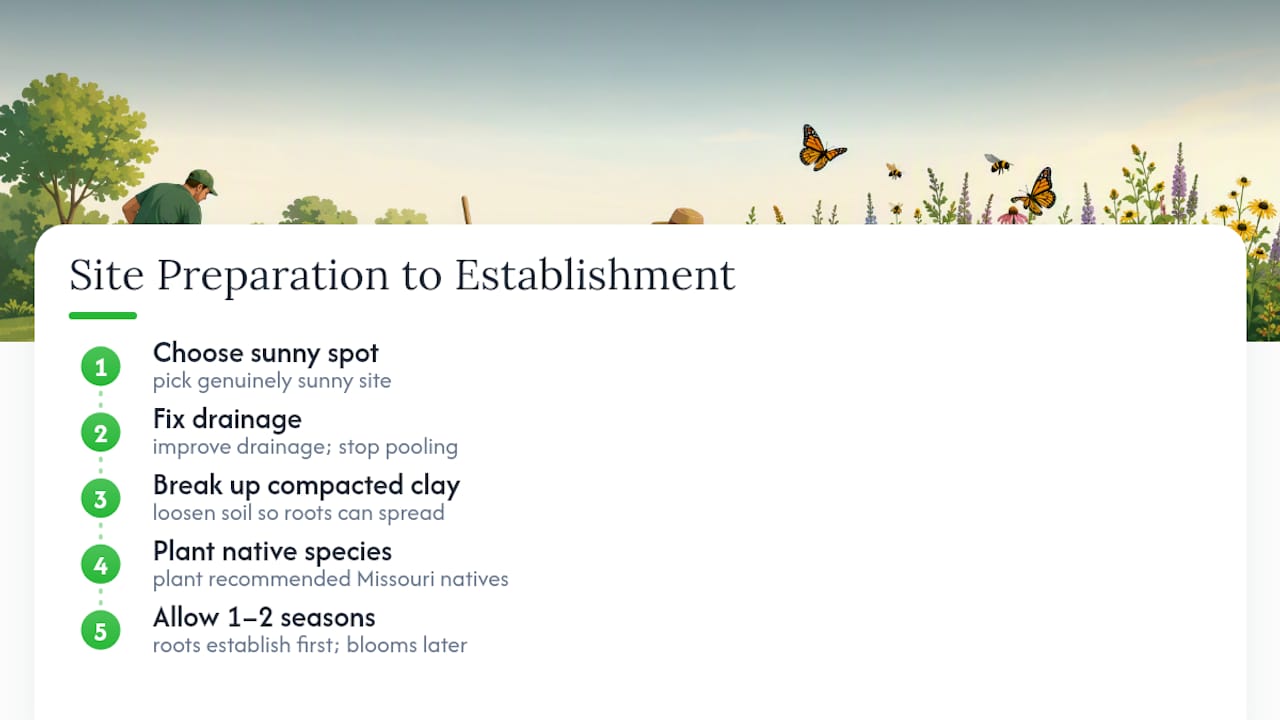
If you take one thing from this, prioritize the ground before the plants. Fix drainage, break up clay, and choose a genuinely sunny spot first. The species list is the easy part once the site is right.
Ready to Start? Book a Pollinator Garden Consultation
Skipping the guesswork on clay soil and drainage is where Precision Outdoor Solutions earns its keep for homeowners planning a native garden. Instead of hiring a designer for a one-size-fits-all plan, you get a contractor who has spent 25-plus years correcting the exact drainage and clay problems that make or break a Missouri planting bed.

A site visit typically covers a rough sketch of your yard’s sun and drainage patterns, a realistic timeline for a phased install, and the cost drivers that matter most, like how much soil amendment your site needs. Before your visit, jot down where you’ve noticed standing water after rain, how many hours of direct sun your target spot gets, and roughly how large you want the finished bed to be. From there, our landscape design team can map out a phased plan, or you can browse our full service list to see where a pollinator bed might fit alongside other yard projects. Reach out through our contact page to schedule a visit.
Where to Learn More and Find Native Plants Locally
For deeper species lists and sourcing help, these Missouri-specific resources are worth bookmarking:
- Missouri Department of Conservation’s pollinator planting guide
- Missouri Botanical Garden’s native landscaping chapter
- University of Missouri Extension’s clay soil planting guide
- A general landscape planning guide for turning turf areas into planted beds
Sources
- How To: Plant a Pollinator Paradise | Missouri Department of Conservation
- Create your own naturescape | Missouri Department of Conservation
- Chapter Four: Landscaping with Native Plants | Missouri Botanical Garden
- University of Missouri Extension publication (M405)
FAQ
What native plants attract the most pollinators in Missouri?
Purple coneflower, milkweed species, rough blazing star, tickseed coreopsis, and Joe-Pye weed cover the widest range of Missouri bees, butterflies, and moths across the growing season.
What should I plant in a pollinator garden?
Mix early, mid, and late-season bloomers like coreopsis, coneflower, and Liatris so something is flowering from April through October, and include at least one milkweed species as a monarch host plant.
What pollinators are native to Missouri?
Missouri is home to hundreds of native bee species, along with monarch and swallowtail butterflies, hummingbird moths, and beneficial wasps, most of which rely on native plants for food and nesting sites.
When should I plant a pollinator garden in Missouri?
Seed in fall, from mid-November through mid-March, for natural cold stratification, or transplant potted plugs in spring between March and May or in fall between September and November.
Recommended
- Native Plants Missouri: Top Picks For Homeowners
- Your Spring Yard Cleanup Checklist For Missouri Homeowners
- Deer-Resistant Plants For Missouri Yards: Best Picks & Tactics
- Best Native Shade Plants For Missouri Yards
This article was prepared with AI assistance for general information. For recommendations specific to your property, contact Precision Outdoor Solutions. Call or text us at (636) 358-8644.