The best native plants to start with in a Missouri yard are butterfly weed (Asclepias tuberosa), purple coneflower (Echinacea purpurea), wild blue indigo (Baptisia australis), little bluestem grass (Schizachyrium scoparium), blazing star (Liatris spicata), and serviceberry (Amelanchier arborea). These six cover the most common yard conditions across the state, support pollinators, and need very little care once established. If you are planting seed, the best time to act is during the recommended dormant seeding windows for Missouri regions. If you are buying plugs, wait for spring after the last frost.
Quick-start shortlist:
-
Butterfly weed (Asclepias tuberosa): monarch host plant, thrives in dry, sunny spots with zero supplemental watering after year one
-
Purple coneflower (Echinacea purpurea): long bloom season, tolerates clay, feeds bees and goldfinches
-
Wild blue indigo (Baptisia australis): deep-rooted, drought-tolerant, fixes nitrogen, and lives for decades
-
Little bluestem (Schizachyrium scoparium): Missouri’s signature prairie grass, stunning fall color, excellent erosion control
-
Blazing star (Liatris spicata): vertical purple spikes in late summer, irresistible to monarchs and bumblebees
-
Serviceberry (Amelanchier arborea): small tree or large shrub, early spring bloom, edible berries, four-season interest
-
Blue wild indigo (Baptisia australis): pairs well with grasses in sunny borders
-
Virginia bluebells (Mertensia virginica): shade-tolerant spring ephemeral, perfect under deciduous trees
-
Swamp milkweed (Asclepias incarnata): wet-site monarch host, works near downspouts and rain gardens
-
Prairie dropseed (Sporobolus heterolepis): fine-textured grass, fragrant late-summer flowers, low maintenance
Pro Tip: Buy plugs from a Missouri-origin nursery for your first planting season. Locally sourced stock is already adapted to your county’s rainfall patterns and soil chemistry, which gives it a real head start over plants grown in other states.
Table of Contents
- Why Missouri native plants are worth it for your yard
- Best native plants by site condition and function
- Where to buy native plants and seed in Missouri
- Which invasive plants should you avoid in Missouri?
- When does hiring a pro make sense for native plant installations?
- Maintaining native plants after establishment
- Key Takeaways
- Why I recommend Missouri natives for every yard I work on
- Precision outdoor Solutions can design and install your native landscape
- Useful resources for Missouri native plant gardeners
Why Missouri native plants are worth it for your yard
Missouri native plant species are adapted to local climate extremes, from summer droughts to late spring freezes, so they need far less irrigation, fertilizer, and pesticide than most ornamentals. The Missouri Department of Conservation makes this case plainly: natives support wildlife habitat and reduce the chemical inputs that conventional landscaping depends on. That is a practical benefit for any homeowner tired of dragging a hose around in August.
The Missouri Botanical Garden’s research reinforces the point. Species like Amsonia tabernaemontana, Baptisia australis, and Asclepias tuberosa are described as low-maintenance choices that perform reliably across Missouri’s climate extremes while supporting pollinators. Once established, typically after the second growing season, most of these plants handle Missouri summers on rainfall alone.
The NRCS also recommends pairing native forbs with native grasses in most plantings. Grasses like little bluestem suppress weeds, add fall and winter structure, and support the freeze-thaw cycles that help seeds germinate. A mixed planting is almost always more resilient than a monoculture of flowers alone.
Best native plants by site condition and function
Regionally reliable Missouri natives exist for every common yard condition. The species below are low-maintenance when matched to the right site and are widely available from Missouri-based nurseries and seed vendors.
| Species | Site / Moisture | Height | Key Wildlife Value |
|---|---|---|---|
| Butterfly weed (Asclepias tuberosa) | Full sun, dry | 1–2 ft | Monarch host, bee nectar |
| Purple coneflower (Echinacea purpurea) | Full sun, average | 2–4 ft | Bees, goldfinches (seed) |
| Wild blue indigo (Baptisia australis) | Full sun, average–dry | 3–4 ft | Specialist bees, nitrogen fixer |
| Blazing star (Liatris spicata) | Full sun, average | 2–4 ft | Monarchs, bumblebees |
| Prairie dropseed (Sporobolus heterolepis) | Full sun, dry–average | 2–3 ft | Ground-nesting birds |
| Swamp milkweed (Asclepias incarnata) | Full sun, wet–moist | 3–5 ft | Monarch host, bee nectar |
| Blue flag iris (Iris virginica) | Full sun to part shade, wet | 2–3 ft | Hummingbirds, native bees |
| Joe-pye weed (Eutrochium purpureum) | Part shade, moist | 4–7 ft | Swallowtails, bumblebees |
| Virginia bluebells (Mertensia virginica) | Part shade, moist | 1–2 ft | Early native bees |
| Wild ginger (Asarum canadense) | Full shade, moist | 6–8 in | Ground cover, pipevine swallowtail |
| Serviceberry (Amelanchier arborea) | Full sun to part shade | 15–25 ft | Birds (fruit), early pollinators |
| Buttonbush (Cephalanthus occidentalis) | Full sun, wet | 6–12 ft | Bees, waterfowl |
| Spicebush (Lindera benzoin) | Part shade, moist | 6–12 ft | Spicebush swallowtail host |

The Missouri Botanical Garden’s native plant guide groups species by light and soil and notes wildlife value for each, making it a reliable cross-reference when building your plant list.

A few seasonal notes worth knowing: butterfly weed blooms in summer and is best started from plugs since it resents transplanting once established. Blazing star blooms in late summer and is easy from corms or plugs. Baptisia blooms in spring and takes a few years to reach full size and is long-lived with minimal care. Little bluestem is best seeded in fall or early spring and reaches its peak ornamental value in fall when it changes color.
Pair native grasses with your forb plantings whenever possible. According to NRCS dormant seeding guidance, grasses aid weed suppression and provide structural support that helps forb seedlings establish. In areas with heavy cool-season grass competition, consider seeding forbs first and adding grasses after targeted grass control.
Where to buy native plants and seed in Missouri
Start your search with Grow Native!, a statewide program that maintains a vetted vendor directory and downloadable Top Ten plant lists organized by use and region. It is the most reliable single resource for finding Missouri-based growers who sell true native stock.
Specialty native nurseries, such as Missouri Wildflowers Nursery in Jefferson City, grow hundreds of species native to Missouri, including trees, shrubs, grasses, sedges, and ferns. These nurseries sell both plugs and seed and serve home gardeners as well as restoration projects. General nurseries increasingly carry native lines, but quality varies, so always ask for the species name and seed origin before buying.
For seed mixes, vendors like MO Native Seed (monativeseed.org) focus on regionally sourced seed for Missouri restoration and home garden projects. Seed is typically less expensive than plugs and covers large areas efficiently, but establishment takes longer.
Buying tips:
- Ask for Missouri-origin or Midwest-ecotype seed, not just “native” seed, which can legally mean grown anywhere in North America.
- Request germination and purity certificates for any seed mix. A reputable vendor will provide them without hesitation.
- Check plant labels for the full Latin species name. “Native coneflower” could be Echinacea purpurea (Missouri native) or a cultivar with reduced wildlife value.
- Review the MDC native plant resources for plant lists that match your site before you shop, so you arrive with a specific list rather than browsing.
- Avoid any mix that does not list individual species and their percentages. Unlisted mixes sometimes contain invasive or non-native filler species.
| Vendor type | Best for | Notes |
|---|---|---|
| Specialty native nurseries | Plugs, trees, shrubs | Highest quality, Missouri-grown stock |
| Seed vendors (e.g., monativeseed.org) | Large areas, meadow seeding | Lower cost per sq ft, slower establishment |
| Grow Native! directory | Finding vetted local vendors | Free, searchable by region and plant type |
| General nurseries with native lines | Convenience, small quantities | Verify species name and origin before buying |
Which invasive plants should you avoid in Missouri?
The Missouri Invasive Plant Council (MoIP) and the Missouri Department of Conservation are the two authorities to consult before buying any ornamental shrub or tree. Their lists include species that are still sold at some nurseries but escape into natural areas and crowd out native plants.
Top invasive offenders to skip:
- Japanese privet / Chinese privet — (Ligustrum spp.): dense shade suppresses native understory plants; spreads readily by bird
The MoIP invasive plant assessment provides region-specific maps and severity rankings, which is useful if you want to know which species pose the highest risk in your specific county.
Native alternatives for common invasives:
| Invasive species | Native alternative(s) |
|---|---|
| Callery pear | Serviceberry (Amelanchier arborea), redbud (Cercis canadensis) |
| Amur honeysuckle | Spicebush (Lindera benzoin), native viburnums (Viburnum spp.) |
| Burning bush | Highbush blueberry (Vaccinium corymbosum), Virginia sweetspire (Itea virginica) |
| Japanese privet | Buttonbush (Cephalanthus occidentalis), native hollies (Ilex spp.) |
| Purple loosestrife | Swamp milkweed (Asclepias incarnata), blue flag iris (Iris virginica) |
For removal, cut invasive shrubs in late summer or fall and treat cut stumps immediately with a targeted herbicide to prevent resprouting. Contact your local MDC office for disposal guidance, since some invasive species should not be composted.
When does hiring a pro make sense for native plant installations?
Three situations consistently produce better results with a professional installer than with a DIY approach: large meadow conversions over 1,000 square feet, yards with drainage problems that affect plant survival, and projects that combine hardscape (patios, retaining walls, walkways) with native planting beds.
A professional landscaper working with native plants typically follows this workflow:
- Site assessment: Evaluates sun exposure, soil texture, compaction, drainage patterns, and existing vegetation before recommending any species
- Design with right-plant-right-place: Matches species to specific microclimates within your yard, not just a generic plant list
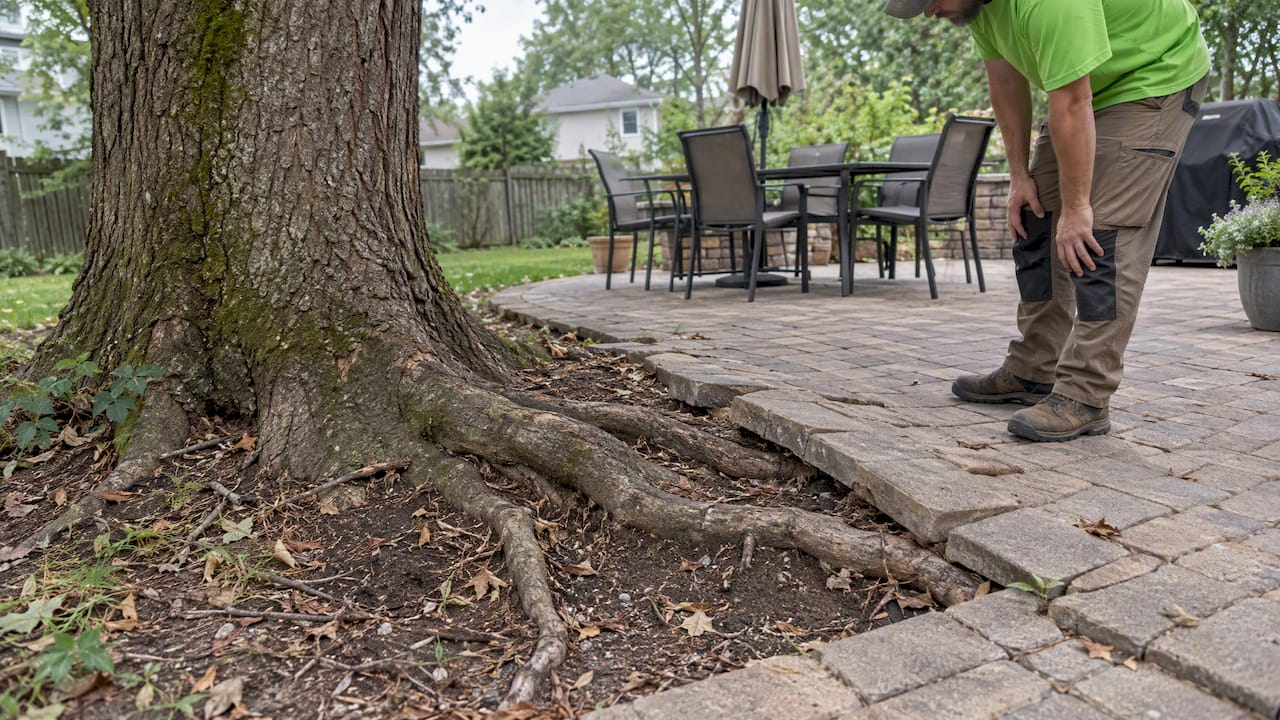
- Soil preparation: Addresses compaction and drainage issues that would otherwise cause native plantings to fail, especially in clay-heavy Missouri soils
- Installation: Handles seeding, plug planting, and any grading or bed preparation needed for establishment
- Establishment monitoring: Checks in during the critical first growing season to catch weed pressure or irrigation issues early
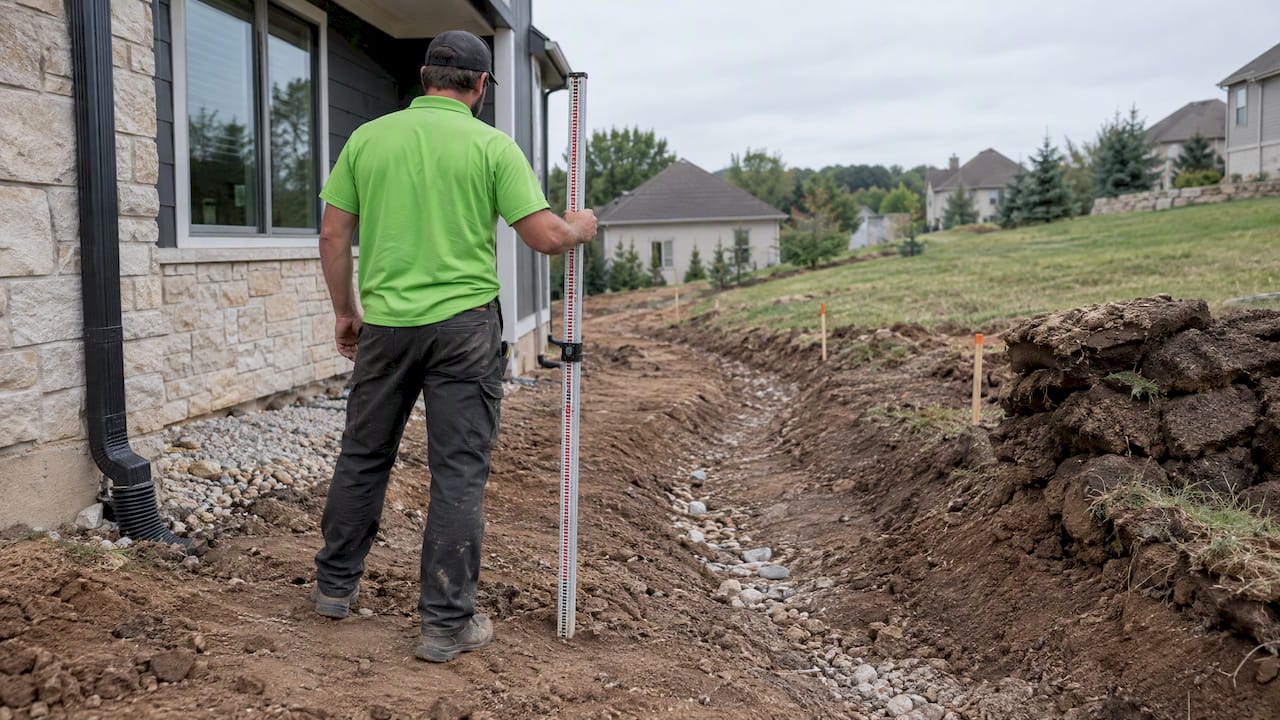
If you have drainage issues in your yard, correcting them before planting is not optional. Wet-site natives planted in poorly drained clay without soil correction often fail in their first summer, even though they are theoretically adapted to moisture.
What to ask a contractor before hiring:
- Do you have experience selecting and installing Missouri native species?
- Can you source Missouri-ecotype or locally grown plant material?
- What is your weed-control plan during the establishment period?
- Do you offer a follow-up visit or maintenance plan after installation?
Pro Tip: Ask to see photos of completed native-plant projects, not just traditional landscaping work. A contractor who has installed prairie borders or rain gardens with natives will have a noticeably different portfolio than one who has only done conventional ornamental beds.
Maintaining native plants after establishment
The honest answer is that established native plants need far less attention than most homeowners expect. After the second full growing season, most Missouri natives handle drought, heat, and cold on their own. That said, a little targeted care each year keeps plantings healthy and looking their best.

Watering: New plugs need consistent moisture for the first four to six weeks. After that, water only during extended droughts in year one. By year two, most prairie natives and grasses are on their own.
Pruning and cutting back: Leave seed heads and stems standing through winter. They feed birds and shelter overwintering insects. Cut everything back to 4–6 inches in late February or early March before new growth starts. Avoid cutting back in fall, which removes valuable winter habitat.
Deer and rabbit protection: Young plugs are vulnerable in their first season. Wire cages or deer repellent spray protect new plantings until they are large enough to tolerate some browsing. Species like Baptisia, Liatris, and ornamental grasses are naturally less palatable to deer once established.
Weed management: Year one requires the most attention. Mow or hand-pull annual weeds before they set seed. By year three, a well-established native planting shades out most annual weed competition on its own. Avoid applying pre-emergent herbicides in native seed beds, since they prevent native seedlings from germinating along with the weeds.
Dividing and refreshing: Clump-forming perennials like coneflower and blazing star benefit from division every four to five years. Dig, split, and replant in fall or early spring. This keeps plants vigorous and gives you free divisions to expand the planting.
Key Takeaways
Missouri native plants deliver the best results when you match species to your specific site conditions, plant during the correct seasonal window, and source stock from Missouri-based vendors.
| Point | Details |
|---|---|
| Start with six reliable species | Butterfly weed, purple coneflower, wild blue indigo, little bluestem, blazing star, and serviceberry cover most Missouri yard conditions. |
| Use dormant seeding windows | Northern counties: November 16 – March 15; southern counties: December 1 – February 29, per NRCS guidance. |
| Buy Missouri-origin stock | Ask vendors for Missouri-ecotype or Midwest-ecotype seed; use the Grow Native! directory to find vetted local sources. |
| Avoid top invasives | Skip Callery pear, Amur honeysuckle, burning bush, and privet; consult MoIP and MDC lists before purchasing any ornamental shrub. |
| Hire a pro for complex sites | Drainage problems, large meadow conversions, or hardscape integration benefit from professional site assessment and installation by Precision outdoor Solutions. |
Why I recommend Missouri natives for every yard I work on
Across more than 25 years of landscaping work in St. Charles County, the yards that hold up best over time are the ones with a strong native plant foundation. Conventional ornamental beds look great in year one and then demand constant attention. A well-designed native border, once it hits its stride in year two or three, practically takes care of itself.
What I see homeowners underestimate most is how much site prep matters. You can plant the right species and still get poor results if the soil is compacted or drainage is working against you. That is where a professional site evaluation pays for itself. Getting the soil right before the first plant goes in the ground is the single biggest factor in whether a native planting thrives or struggles.
The other thing worth saying plainly: native landscaping is not a compromise on curb appeal. A well-designed planting with serviceberry, blazing star, little bluestem, and coneflower looks polished and intentional. It also attracts monarchs, goldfinches, and native bees in a way that no conventional ornamental bed can match. For homeowners in Wentzville and across St. Charles County, that combination of low maintenance and genuine ecological value is hard to beat.
Precision outdoor Solutions can design and install your native landscape
Precision outdoor Solutions designs and installs native plant landscapes for homeowners throughout Wentzville and St. Charles County. If you want a yard that looks great, supports local wildlife, and actually holds up through Missouri summers, we can help you get there without the guesswork of doing it alone.

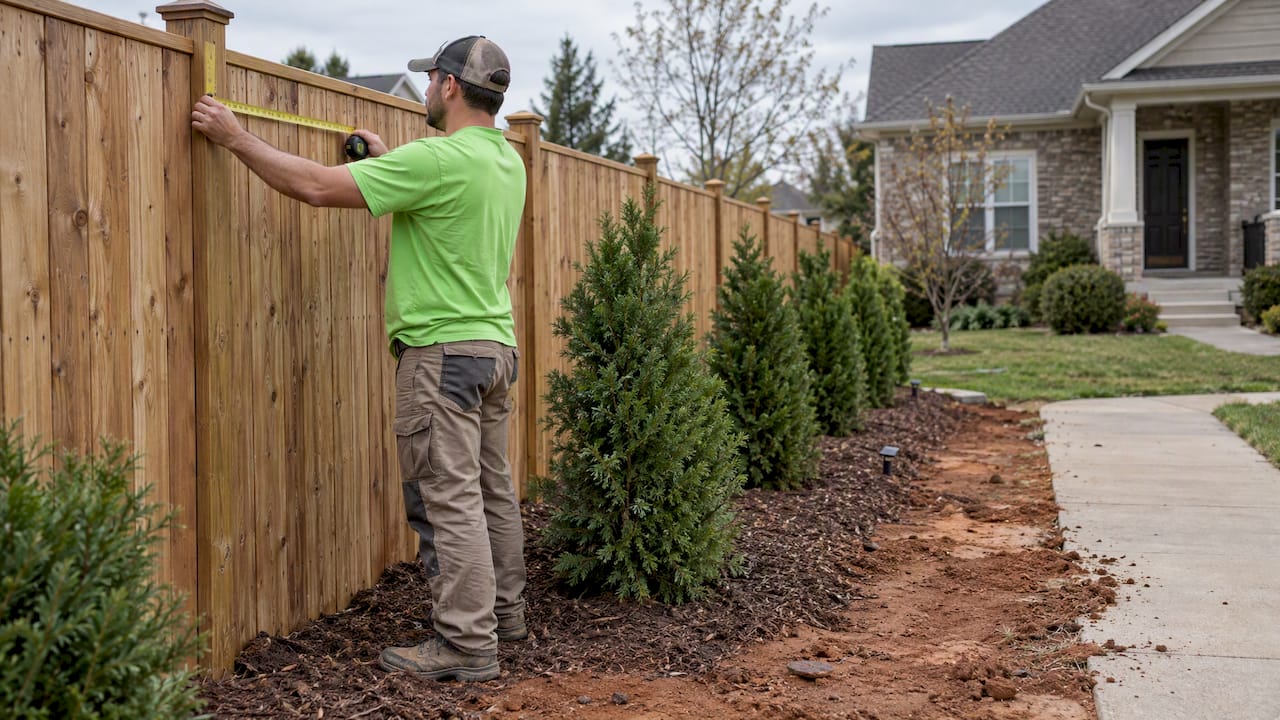
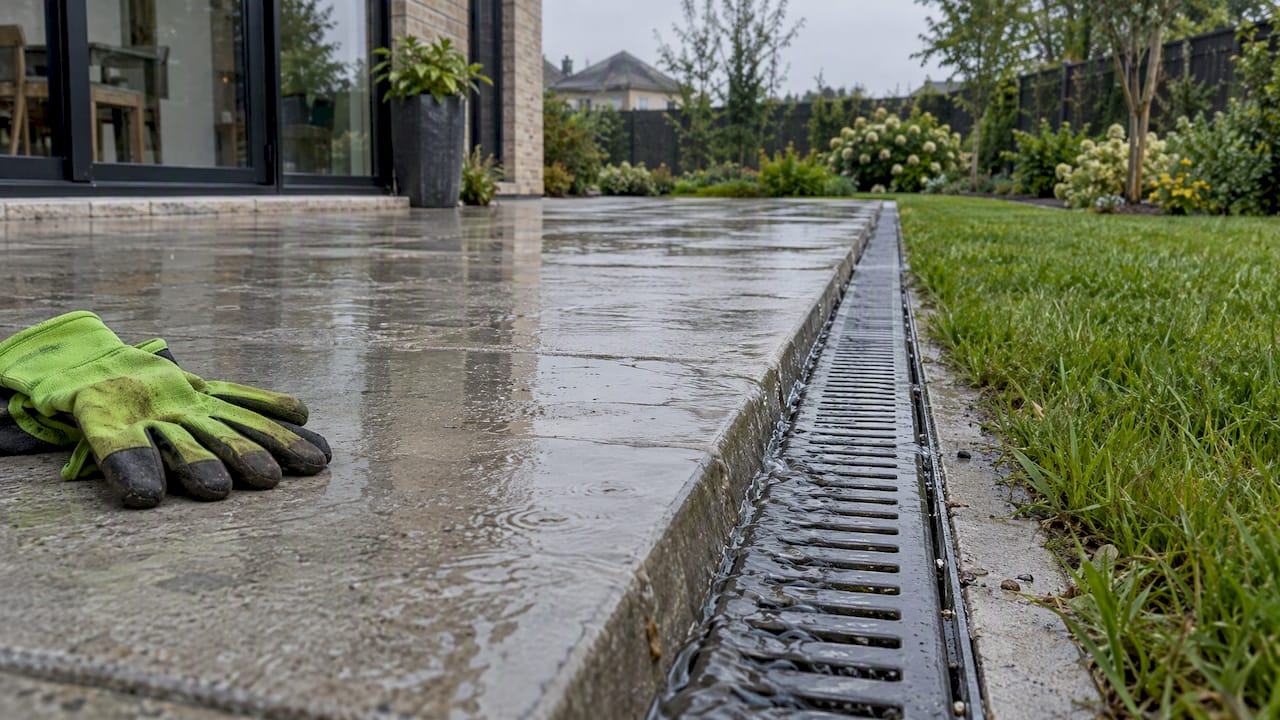
Our process covers everything from initial site consultation and soil assessment to plant selection, bed preparation, installation, and a follow-up check during the establishment season. We also integrate native plantings with hardscape projects like patios, retaining walls, and drainage solutions, so your whole yard works together. Whether you are starting with a small pollinator border or converting a full lawn to a native meadow, we build it to last.
Browse our landscape design services or take a look at our completed projects to see what a professionally installed native landscape looks like. Ready to get started? Request a free estimate and we will schedule a site visit at your convenience.
Useful resources for Missouri native plant gardeners
The resources below are the most reliable starting points for plant lists, vendor directories, invasive species information, and technical planting guidance.
| Resource | What to use it for |
|---|---|
| Grow Native! | Vendor directory, Top Ten plant lists, regional native plant resources |
| Missouri Department of Conservation | Plant lists by site condition, design guidance, invasive plant replacement advice |
| Missouri Invasive Plant Council (MoIP) | Top 25 invasive species list, regional assessment maps |
| MoIP Invasive Plant Assessment | County-level invasive severity rankings and expansion predictions |
| NRCS Native Forb Guidance (Missouri) | Dormant seeding windows, seeding depth, site prep, and stratification requirements |
| Missouri Botanical Garden: Natives for Home Gardens | Curated native species lists by light and soil, maintenance notes |
| Missouri Botanical Garden: Landscaping with Native Plants | In-depth guide to plant selection, local ecotype sourcing, and maintenance expectations |
Before buying from any vendor, cross-reference their species list against the MDC and MoIP resources above. A reputable vendor will welcome the comparison. If a nursery cannot tell you where their seed was grown or provide a germination certificate for a seed mix, that is a clear signal to look elsewhere.