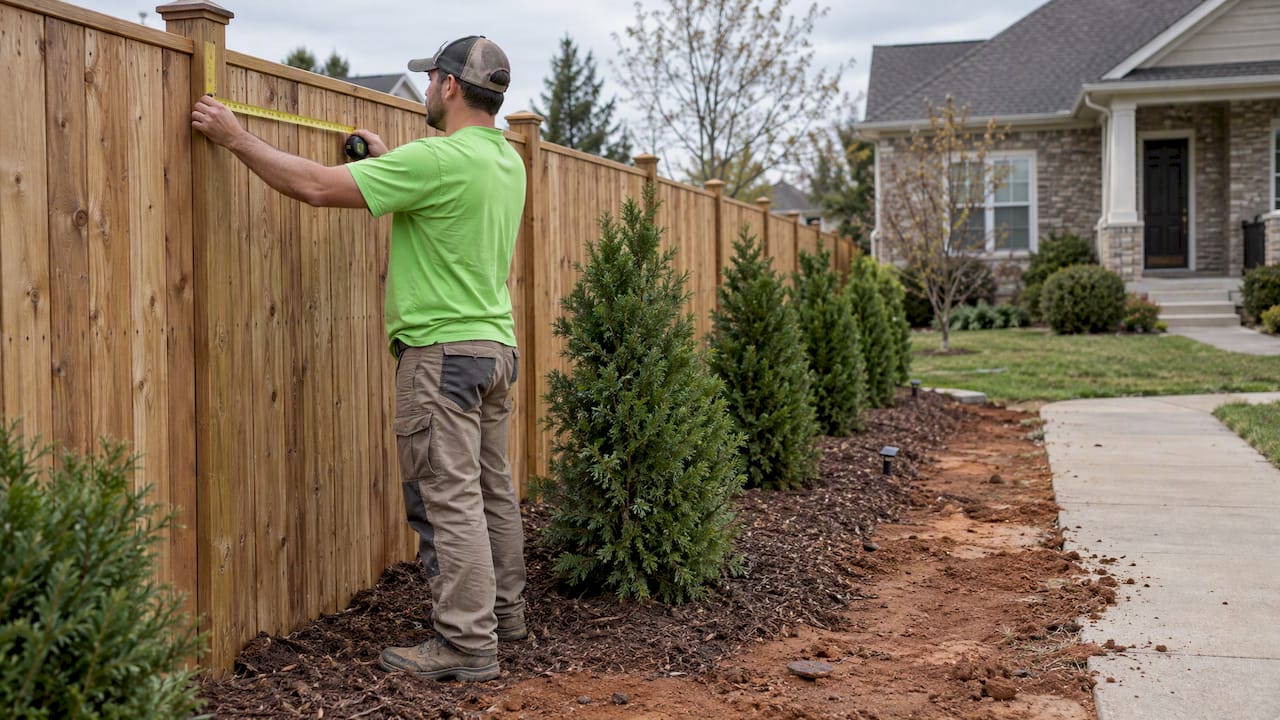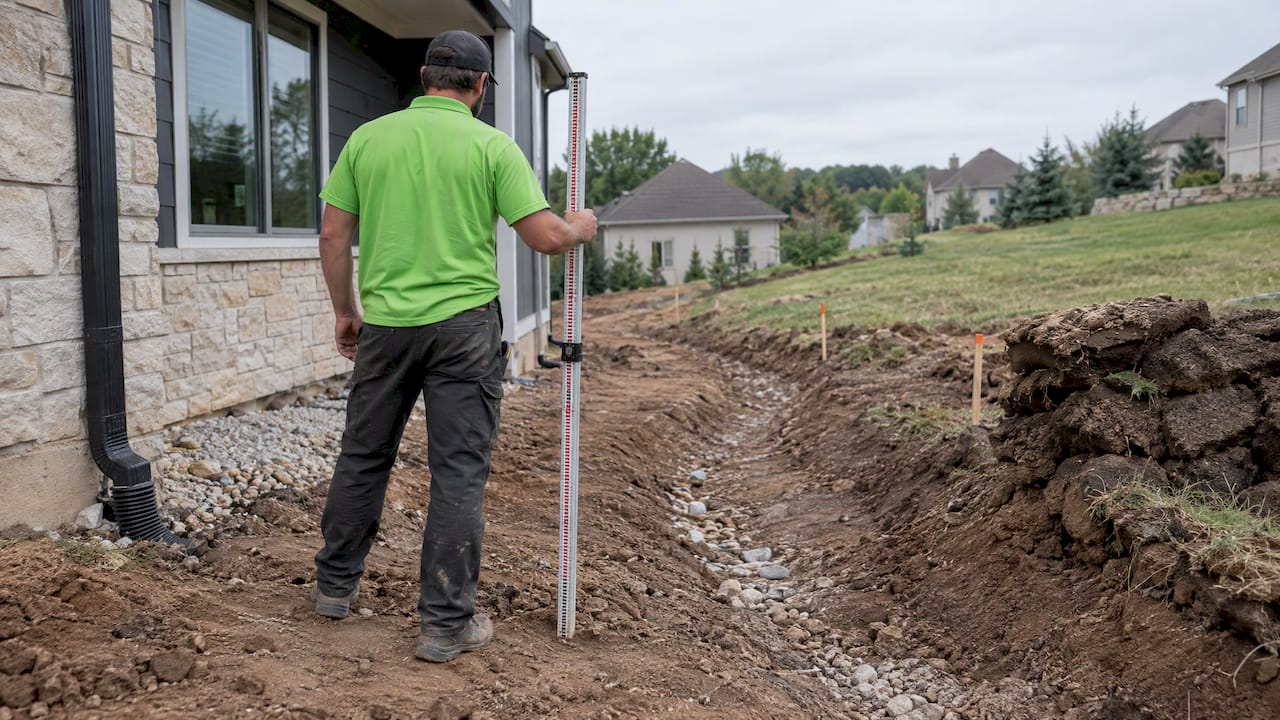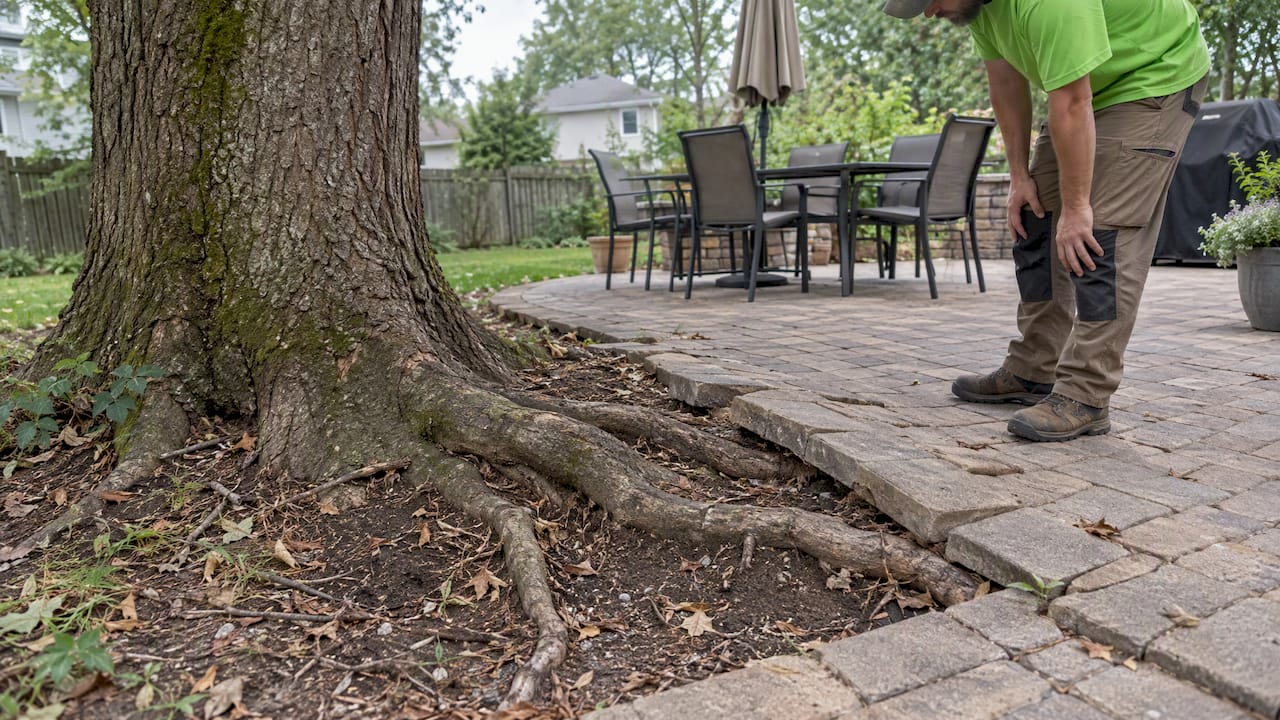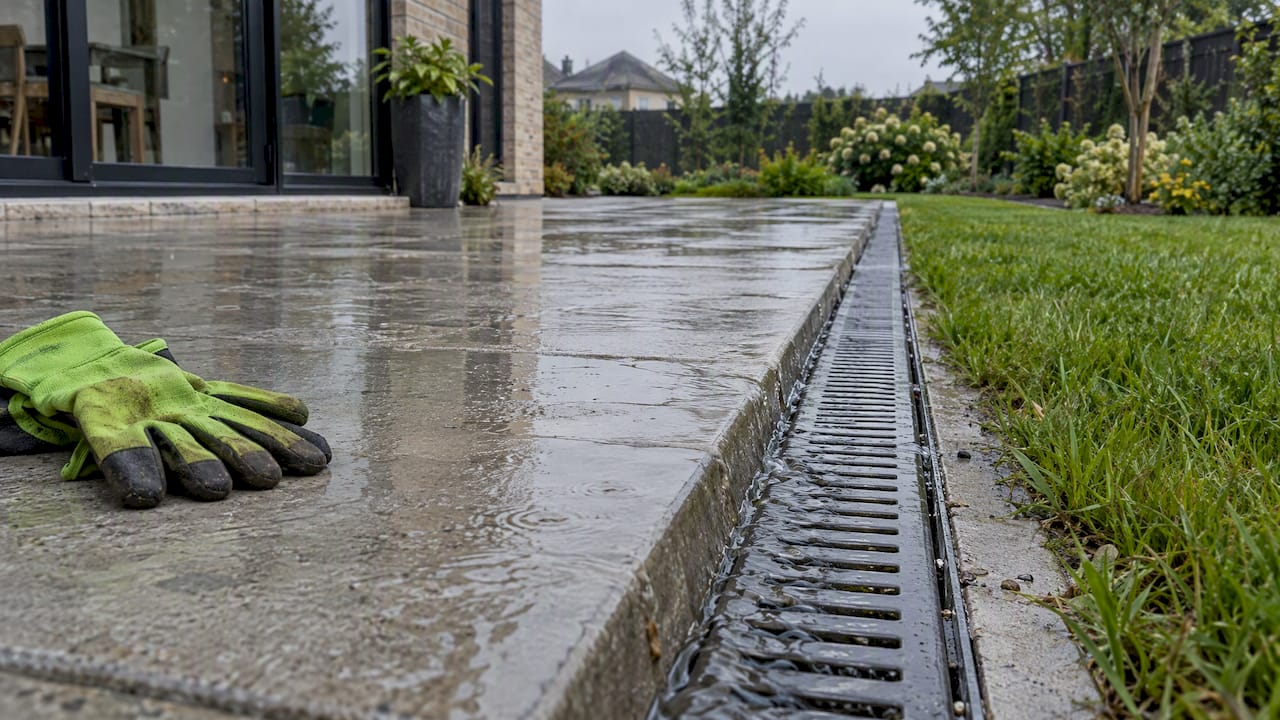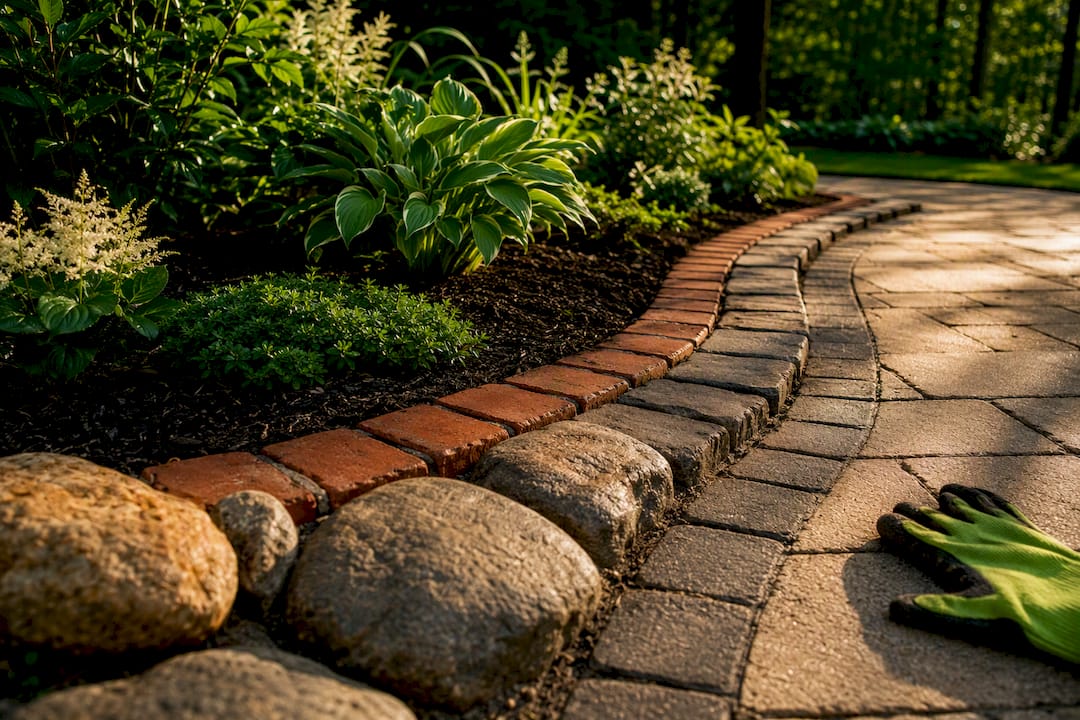
Most residential landscaping projects run from a few days for a simple planting refresh to several weeks or months for a full hardscape and planting redesign. The biggest swing factors are permits, material lead times, and drainage or soil problems discovered on site. Contractors work with homeowners to map these variables into a realistic schedule from the first site visit.
TL;DR:
- Projects with complex drainage or soil issues discovered late can add weeks or months to the timeline, especially if redesigns are necessary.
- Permitting can cause unpredictable delays that range from a few weeks to several months, depending on municipality review times.
- Material lead times vary greatly: standard pavers ship within two weeks, but specialty stone or large trees may require four to six weeks or longer.
- Coordinating overlapping phases, such as ordering materials before permits are approved, can reduce overall duration but still requires buffer time for potential delays.
- After installation, landscapes need a full growing season to fully establish and often require ongoing maintenance like watering, mulching, and soil aeration.
Table of Contents
- Timeline at a glance: quick reference ranges and phase checklist
- Phase-by-phase breakdown: what happens, deliverables, and homeowner decisions
- Key factors that change the timeline
- Sample timelines by project type
- How to speed the schedule and avoid the most common delays
- What to expect after installation
- A contractor’s view on managing landscaping timelines
- How Precision Outdoor Solutions keeps your project on schedule
- Sources
- FAQ
Timeline at a glance: quick reference ranges and phase checklist
Before you compare contractor bids, it helps to see the whole project laid out phase by phase.
- Consultation and site survey: about one to two weeks
- Design and revisions: roughly one to three weeks
- Permitting, when required: can take several weeks
- Material ordering: varies from days to several weeks depending on the item
- Site prep and drainage correction: few days
- Hardscape installation: several days to a few weeks
- Planting and irrigation: a few days
- Establishment and follow-up: ongoing through the first season
Some phases run at the same time rather than one after another.
- Design revisions and permit prep often happen together.
- Material ordering can start as soon as the design is approved, even before permits clear.
- Site prep and drainage work must finish before any hardscape installation begins.
Standard pavers usually ship in a week or two, but specialty stone can take 4 to 6 weeks, and large specimen trees are sometimes grown to order months in advance.
Phase-by-phase breakdown: what happens, deliverables, and homeowner decisions
Every phase has its own deliverable, and knowing what to expect helps you avoid holding up your own project.
The initial consultation covers measurements, drainage patterns, existing constraints, and a first conversation about budget and scope. This is also when a contractor should prioritize site conditions over aesthetics: site inventory and drainage analysis should come before plant and material selections, not after.
The design phase turns that walkthrough into a concept plan, then construction drawings once you approve the direction. Each revision round typically adds several days to a week, so narrowing your priorities early keeps this phase tight.
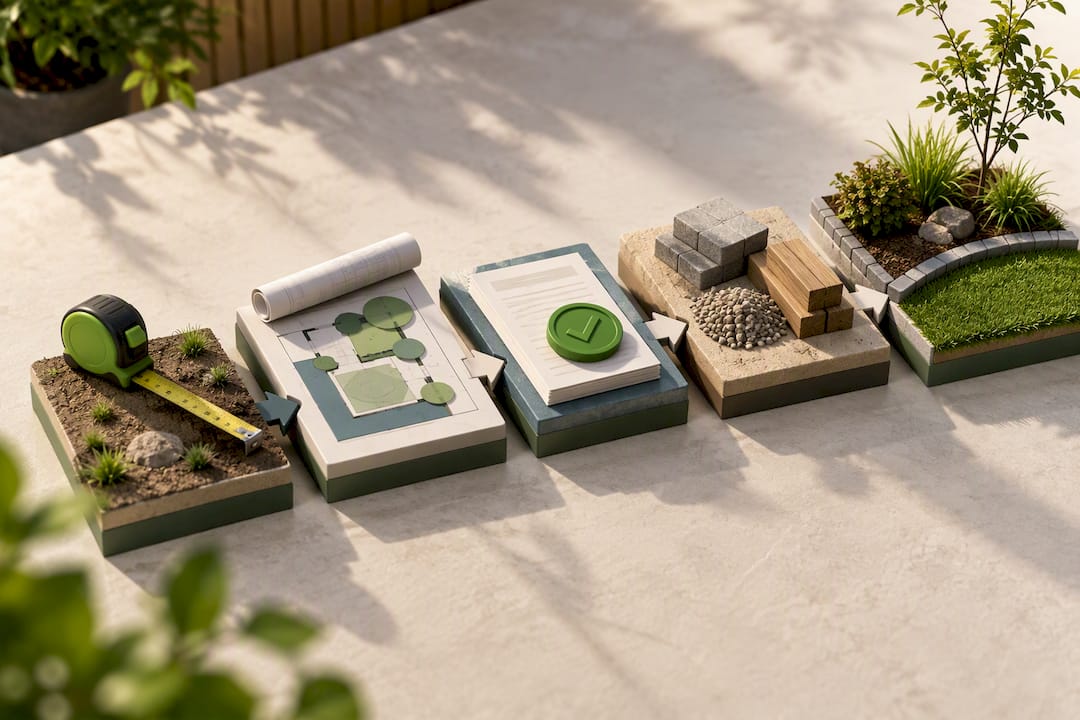
Permitting varies by municipality. Structures like retaining walls over a certain height or engineered attachments to your home may require an engineer’s stamp and a formal review, and approval windows are outside your contractor’s control once the application is submitted.
Material procurement runs in parallel with permitting when possible. Special-order pavers, natural stone, and large trees are the most common reason an install date slips, which is why agreeing on acceptable substitutes ahead of time keeps a delayed shipment from stalling the whole job.
Site preparation includes erosion control, tree protection, and correcting grading or compacted soil before anything gets built. Skipping this step to save a few days is the fastest way to end up redoing work later.
- Hardscape installation follows a set sequence: excavation, base compaction, edging, then surface material.
- Crew productivity depends heavily on how clean the prepped site is.
- Softscape and irrigation typically go in last, once hardscape is cured or set.
Pro Tip: Ask your contractor for a written punch list at the walkthrough so warranty items and touch-ups have a clear deadline instead of an open-ended promise.
The final walkthrough covers any punch list items, explains warranty terms, and sets expectations for watering and early care.
Key factors that change the timeline
A handful of variables account for most of the schedule differences between projects that look similar on paper.
- Municipal permit review can add weeks to months, and timing is rarely predictable once the application leaves your hands.
- Drainage problems, slopes, and compacted soil found during site prep can force design changes if they were not caught early.
- Backordered pavers or specialty stone are a leading cause of install-date slips, so having pre-approved substitutes matters.
- Frozen ground and heavy rain narrow planting windows, especially for late fall or early spring projects.
- Multiple rounds of design changes are one of the most common sources of schedule bloat on residential jobs.
Slopes steeper than a 4:1 horizontal-to-vertical ratio require special planting and stabilization measures, according to EPA soil management guidance, which can add both time and cost to a project that looked simple at the consultation.
Sample timelines by project type
These ranges reflect how scope changes the calendar, not a fixed formula for every yard.
- Small planting refresh: days to 2 weeks. Site prep is minimal, and the main variable is plant availability at the nursery.
- Medium project, patio plus planting: 4 to 10 weeks typical. Design and material ordering usually overlap, while hardscape installation and planting stay sequential.
- Large redesign with retaining walls, grading, and drainage work: 12 or more weeks. Permit review and long-lead materials both need buffer time built in from the start.
Overlapping tasks, like ordering materials while permits are under review, shorten the overall calendar more than any single phase speeding up on its own. A conservative estimate always assumes at least one delay somewhere in the process, so the earliest possible finish date and the realistic one are rarely the same.
How to speed the schedule and avoid the most common delays
You have more control over your timeline than you might think, especially before construction starts.
- Decide on your must-have materials and layout priorities before the design meeting to cut down on revision rounds.
- Pre-order long-lead items like specialty stone or large trees, or agree to approved substitutes in advance.
- Address drainage and grading concerns at the consultation, and confirm early who is responsible for pulling permits.
- Clear staging areas and protect existing trees so equipment does not compact soil that then has to be corrected later.
Pro Tip: Set a decision deadline with your contractor for each design revision round. A clear cutoff keeps small choices from stretching into weeks.
What to expect after installation
Your landscape does not look finished the day the crew leaves, and that is normal; following a seasonal outdoor cleaning schedule for suburban homes can help maintain its appearance through the year.
- Water new plantings on a consistent schedule and keep mulch at a depth of 2 to 3 inches, per EPA rain garden guidance on soil and mulch layering.
- Construction traffic compacts soil, and aerating those areas after the project restores water infiltration and helps roots establish.
- Pooling water or new erosion after installation is a sign to call your contractor, not something to wait out through the next storm.
- Most landscapes need a full growing season before plantings fill in and the design reads the way it was intended.
A contractor’s view on managing landscaping timelines
After many years in this business, experienced contractors have found that early design conversations and honest lead-time estimates prevent more delays than rushing later. They coordinate permits, subcontractors, and material orders so homeowners are not chasing three vendors at once. Ask for a scoped timeline at your consultation, not just a start date.
How Precision Outdoor Solutions keeps your project on schedule

Precision Outdoor Solutions manages the parts of a timeline homeowners cannot control themselves: permit submissions, subcontractor scheduling, and material ordering, so you get a realistic schedule instead of a guess. A consultation includes a site walk, a preliminary schedule, and a cost range before any contract is signed.
- Request a site visit through our landscape design page, or explore hardscape and patio installation if your project centers on a patio or retaining wall.
We handle the scheduling coordination so you can focus on the decisions that actually shape your yard.
Sources
- Florida IFAS: Landscape and Nursery Site Evaluation (EP375)
- EPA WaterSense / Soil management and mulching guidance (NEPIS document)
- Colorado State University: Soil compaction guidance
- EPA: Rain Garden Design and Construction (homeowner guide)
FAQ
What is the “3, 5, 7” rule in landscaping?
This is a design guideline about grouping plants in odd numbers, typically three, five, or seven, to create a natural-looking arrangement rather than a strict schedule rule. It affects design decisions, not project timing directly.
How long does a landscaping project take?
Small planting projects can finish in days to 2 weeks, medium projects with some hardscape typically take 4 to 10 weeks, and large redesigns with permitting or drainage work often run 12 or more weeks. Permits, material lead times, and site conditions are the main reasons projects land at different points in that range.
What is a good timeline for project planning?
A good plan builds in buffer time for permitting and material lead times rather than assuming every phase runs on the shortest possible schedule. Starting with a site consultation that maps out drainage and design priorities before ordering materials helps avoid the most common delays.
What is the rule of 3 in landscaping?
The rule of 3 refers to grouping plants or elements in threes for visual balance in a design, similar in spirit to the 3, 5, 7 grouping guideline. It is a design principle, not a timeline or scheduling rule.
Recommended
- Small Backyard Landscaping: Weekend Wins And 25+ Years Contractor Tips
- 4 Weekend Wins For Low Maintenance Landscaping Homeowners Can Do
- Target Sightlines To Fix Backyard Privacy Landscaping For Homeowners
- Why Now Is The Best Time To Plan Your Fall Outdoor Project
This article was prepared with AI assistance for general information. For recommendations specific to your property, contact Precision Outdoor Solutions. Call or text us at (636) 358-8644.