A landscape maintenance checklist covers seasonal startup and shutdown tasks plus weekly and monthly routines for lawn, irrigation, pruning, pests and tools. Jump to the season you need or print the one-page checklist near the bottom. This guide draws on university extension calendars, EPA WaterSense guidance and field notes from Precision Outdoor Solutions to keep the recommendations practical and easy to follow.
TL;DR:
- Proper watering during summer requires deep, infrequent sessions with systems equipped with sensors to prevent overwatering issues.
- Fall is the optimal time for core aeration and overseeding, combined with the heaviest nitrogen application for cool-season lawns.
- Regular inspection of irrigation systems, tools, and turf health helps catch problems early and avoids costly repairs or replacements.
- Native plants and water-smart practices can significantly reduce irrigation needs and environmental impact over time.
- Large or recurring drainage and turf failure problems should prompt professional assessment instead of ongoing DIY attempts.
Table of Contents
- Spring checklist: getting beds, lawn and irrigation ready
- Summer checklist: water-smart irrigation and pest watch
- Fall checklist: aeration, overseeding and the big fertilizer push
- Winter checklist: low-effort tasks that protect spring
- Weekly, monthly and quarterly routines that keep things consistent
- Lawn care specifics: mowing heights, fertilizer rates and aeration timing
- Irrigation checks and water-smart strategies
- Pruning basics and when to hire an arborist
- Integrated Pest Management checklist for landscapes
- Essential tools and seasonal supplies to keep on hand
- One-page printable checklist and how to customize it
- Safety precautions and protective gear for yard work
- Equipment maintenance and care schedule
- Weed identification and targeted control methods
- Waste disposal and composting guidelines
- Environmental considerations and sustainable landscaping practices
- Precision Outdoor Solutions’ perspective on the checklist
- How Precision Outdoor Solutions can help with your maintenance plan
- Sources
- FAQ
Spring checklist: getting beds, lawn and irrigation ready
Spring is startup season. Once soil dries out enough to work, walk the property and knock out these tasks in order:
- Clear winter debris, power-rake matted turf if needed and check bed edges and hardscape borders for winter heave.
- Restart irrigation systems and run each zone to check for broken heads, leaks and coverage gaps.
- Apply pre-emergent herbicide where crabgrass has been a problem, then soil test to confirm fertilization timing for the season ahead. MU Extension’s lawn calendar recommends a moderate amount of nitrogen per 1,000 square feet in early spring for cool-season lawns.
- Start mowing on a regular schedule, following the one-third rule and sharpening blades before the first cut.
- Prune summer- and fall-blooming shrubs now, but hold off on spring bloomers until after they flower.
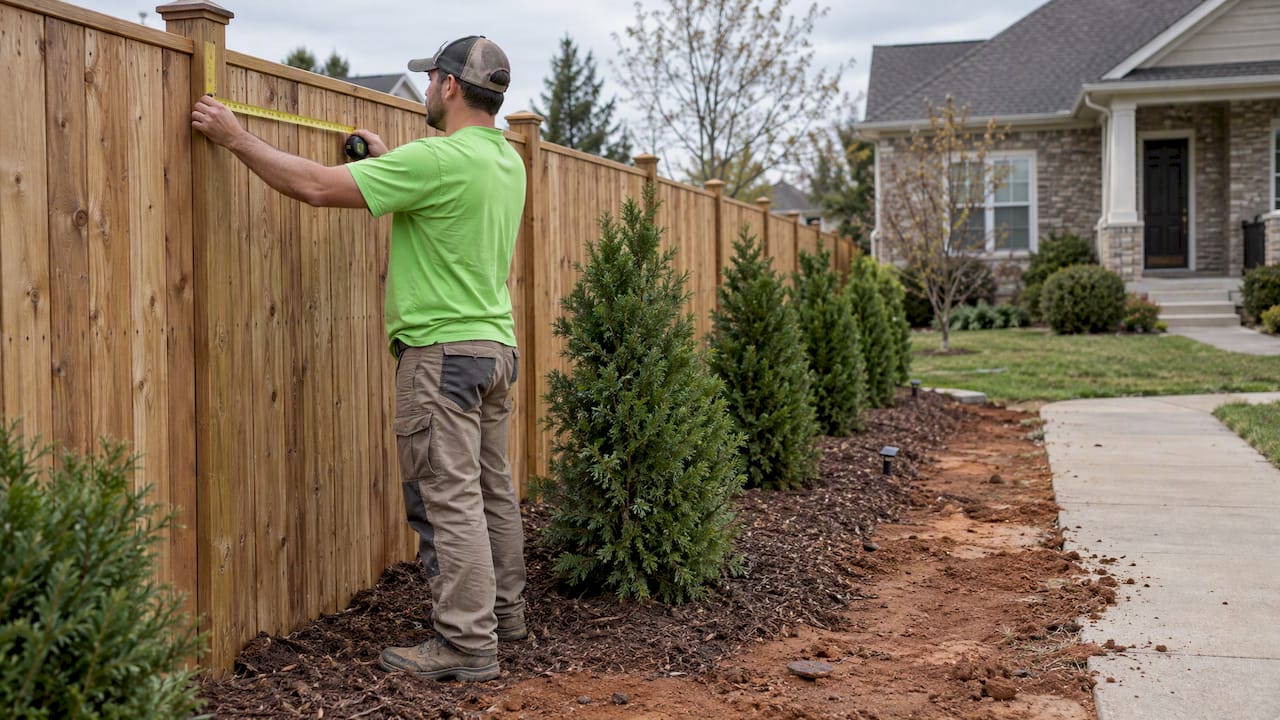
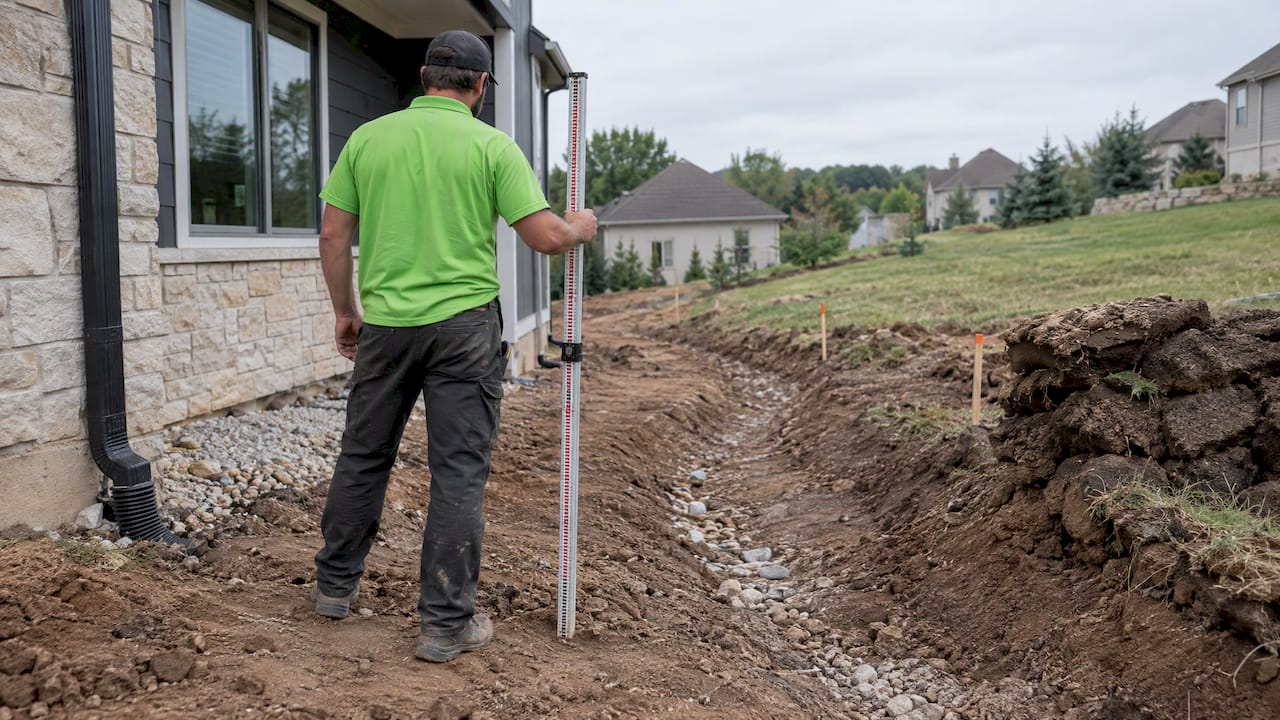
- Inspect drainage channels and low spots for pooling; schedule repairs before summer storms arrive.
Local timing shifts by up to two weeks depending on the year, so check your county extension calendar before locking in dates. For a Missouri-specific version of this list, see our spring yard cleanup checklist.
Summer checklist: water-smart irrigation and pest watch
Heat and humidity change the priorities. Summer maintenance is about protecting what spring established:
- Water deeply and infrequently rather than daily. EPA WaterSense guidance recommends grouping plants by water need and using efficient irrigation controllers and sensors to avoid overwatering.
- Raise the mower deck if grass is stressed by heat, and mow during cooler parts of the day to reduce plant shock.
- Scout for insect and disease hotspots weekly; use cultural fixes before reaching for a spray.
- Refresh mulch where it has thinned and fix irrigation leaks the same week you find them.
Watering depth matters more than frequency. NC State Extension recommends delivering about 0.5 to 1 inch of water per week to wet the root zone 6 to 8 inches deep, which builds drought tolerance instead of shallow, thirsty roots.
Fall checklist: aeration, overseeding and the big fertilizer push
Fall is when the year’s biggest improvements happen for cool-season lawns:
- Core aerate and overseed in early fall while soil is still warm and seed has time to establish before frost.
- Apply the season’s heaviest nitrogen rates. MU Extension’s cool-season lawn calendar recommends appropriate nitrogen amounts per 1,000 square feet in early fall months.
- Rake and remove fallen leaves regularly so they don’t smother turf, and refresh mulch beds for winter.
- Reduce irrigation frequency as temperatures drop, then winterize controllers and blow out lines before the first hard freeze.
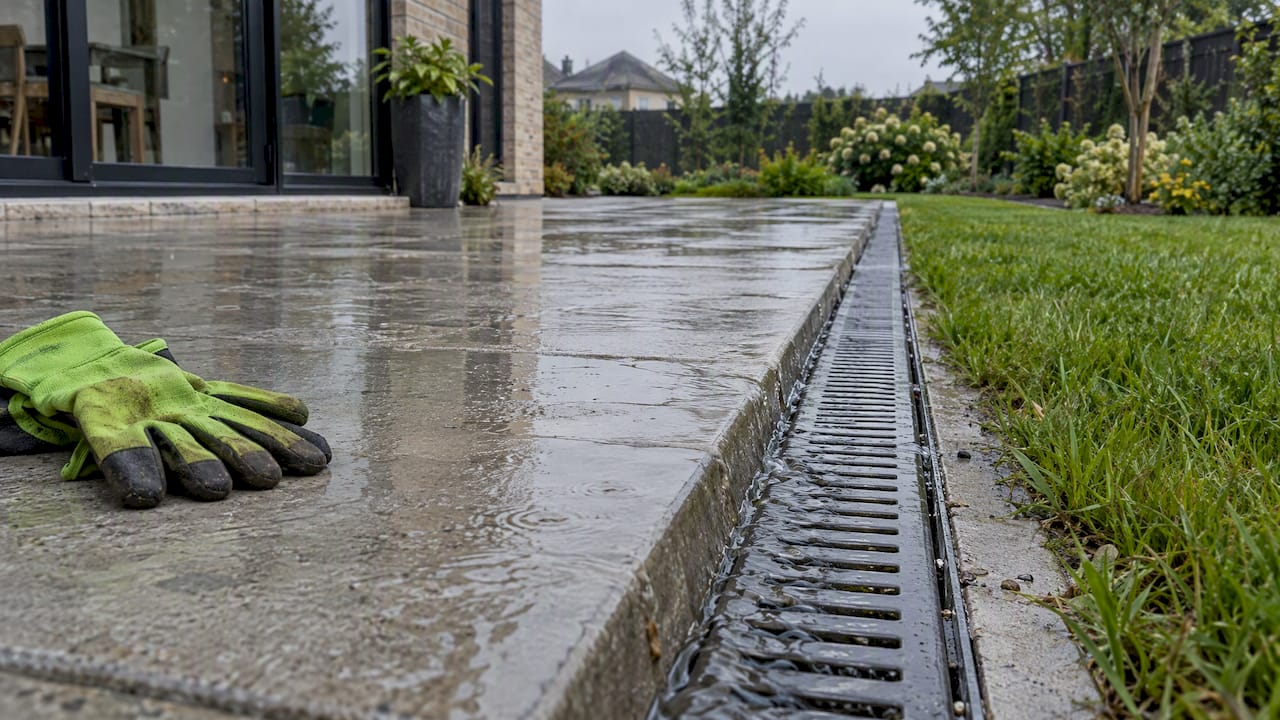
- Check gutters, drains and hardscape joints for cracks or grading problems that freeze-thaw cycles will only make worse, following essential roofing maintenance tips for every homeowner to prevent costly damage and ensure proper drainage.
Winter checklist: low-effort tasks that protect spring
Winter is light on labor but heavy on prevention. A few tasks now save real work later:
- Clean, sharpen and store mowers, trimmers and hand tools so they’re ready when the season turns.
- Protect vulnerable plantings from salt damage; use sand or a calcium-based alternative near beds instead of standard rock salt.
- Prune only small, dead or damaged branches yourself; leave larger limbs and anything near power lines to a certified arborist.
- Inspect trees after storms for cracked limbs or leaning trunks that could become hazards.
- Sketch out next year’s project list and rough calendar while the yard is quiet.
Weekly, monthly and quarterly routines that keep things consistent
Seasonal tasks matter, but the routines in between are what keep a landscape looking cared for year-round.
- Weekly: mow and edge following the one-third rule, spot-treat weeds, clear debris and confirm irrigation run times are correct for the week’s weather.
- Monthly: inspect sprinkler heads and filters, check mulch depth, test soil moisture by hand and confirm mower blades are still sharp.
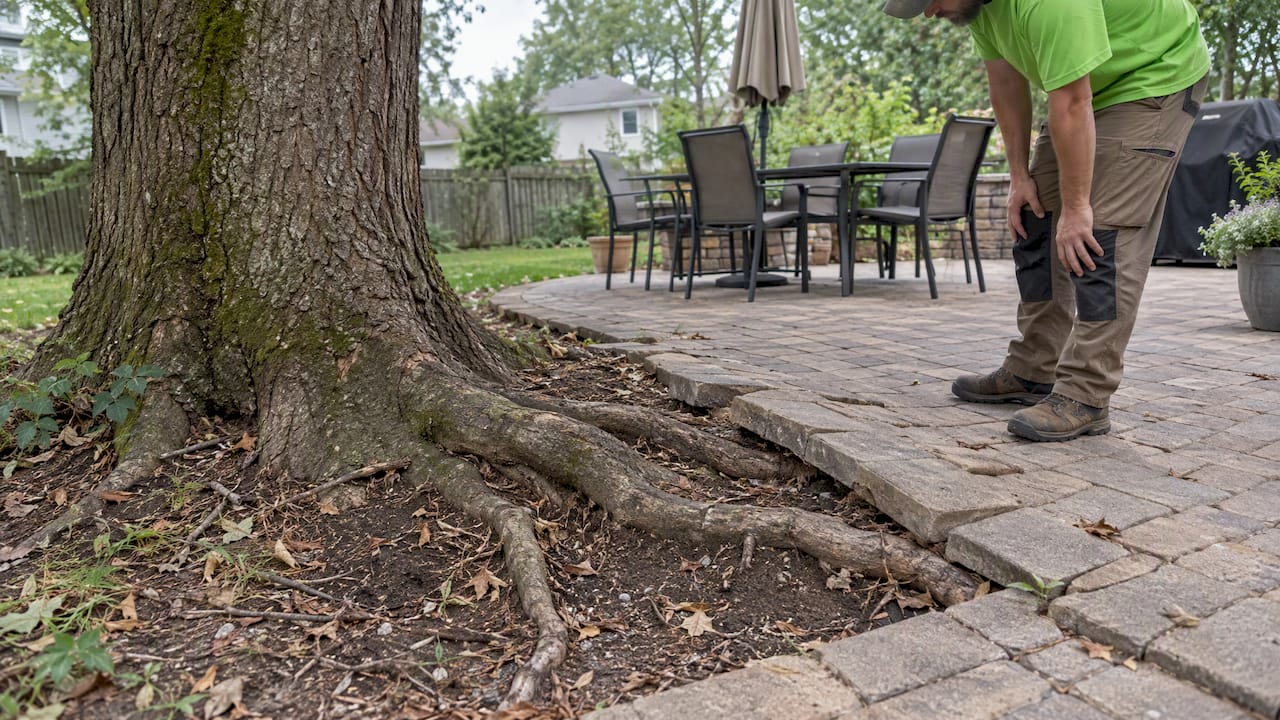
- Quarterly: walk the hardscape for cracks or settling, review the maintenance schedule against what actually got done, restock supplies and service equipment before the next season starts.
Printing this rhythm on a clipboard or taping it inside a shed door keeps it from getting skipped when the week gets busy.
Lawn care specifics: mowing heights, fertilizer rates and aeration timing
Good lawn care comes down to three habits done consistently.
- Never cut more than one-third of the grass blade at a time. MU Extension’s mowing guidance recommends maintaining mowing heights that improve turf health and competitiveness against weeds for cool-season grasses.
- Fertilize on a schedule, not a whim: extension guidance calls for roughly 0.75 to 1.0 pound of nitrogen per 1,000 square feet in fall months and lighter rates in spring, measured against your actual lawn area rather than guessed.
- Core aerate compacted soil and overseed thin patches in early fall when cool-season grass is actively growing roots.
Taller mowing suppresses weeds. MU Extension notes that mowing at recommended heights helps grass out-compete weed seedlings for light and space, which reduces how much herbicide a lawn needs over time.
Irrigation checks and water-smart strategies
Most irrigation problems are simple to catch if you look on a schedule.
- Measure applied water with a rain gauge or a catch-can test rather than guessing from run time; aim for the 0.5 to 1 inch weekly target that wets roots 6 to 8 inches deep.
- Adjust controllers by season and by zone, since shaded beds and sunny turf never need the same schedule.
- Add a rain sensor or a WaterSense-labeled controller so the system skips cycles after a storm instead of running anyway, as EPA WaterSense recommends.
- Call an irrigation professional when a zone won’t hold pressure, a valve won’t shut off, or you’re under a municipal watering restriction and need the system reprogrammed correctly.
Pro Tip: Set a catch can under a sprinkler head for 15 minutes once a season. If it collects less than a quarter inch, your run times are probably too short.
Pruning basics and when to hire an arborist
Structural pruning, thinning and training a young tree’s shape, builds a stronger tree than heading or topping ever will. Arboriculture research on structural pruning shows that early training cuts reduce the odds of costly removals or major surgery later.
- Prune spring bloomers right after flowering and summer bloomers in late winter, before new growth starts.
- Small dead or crossing branches are fair game for hand pruners.
- Call a certified arborist for anything near power lines, above roof height, or showing signs of decay or a split trunk.
Integrated Pest Management checklist for landscapes
IPM keeps chemical use as a last resort, not a first response.
- Identify the pest correctly before treating anything.
- Monitor weekly during growing season and set an action threshold before reaching for a product.
- Try cultural fixes first (proper watering, mowing height, plant spacing), then least-toxic biological controls, then spot-treatment. EPA’s IPM guidance recommends this order to limit risk to people, pets and beneficial insects.
- Keep a simple log of what you saw and when. Property managers especially benefit from dated records if a problem recurs.
Essential tools and seasonal supplies to keep on hand
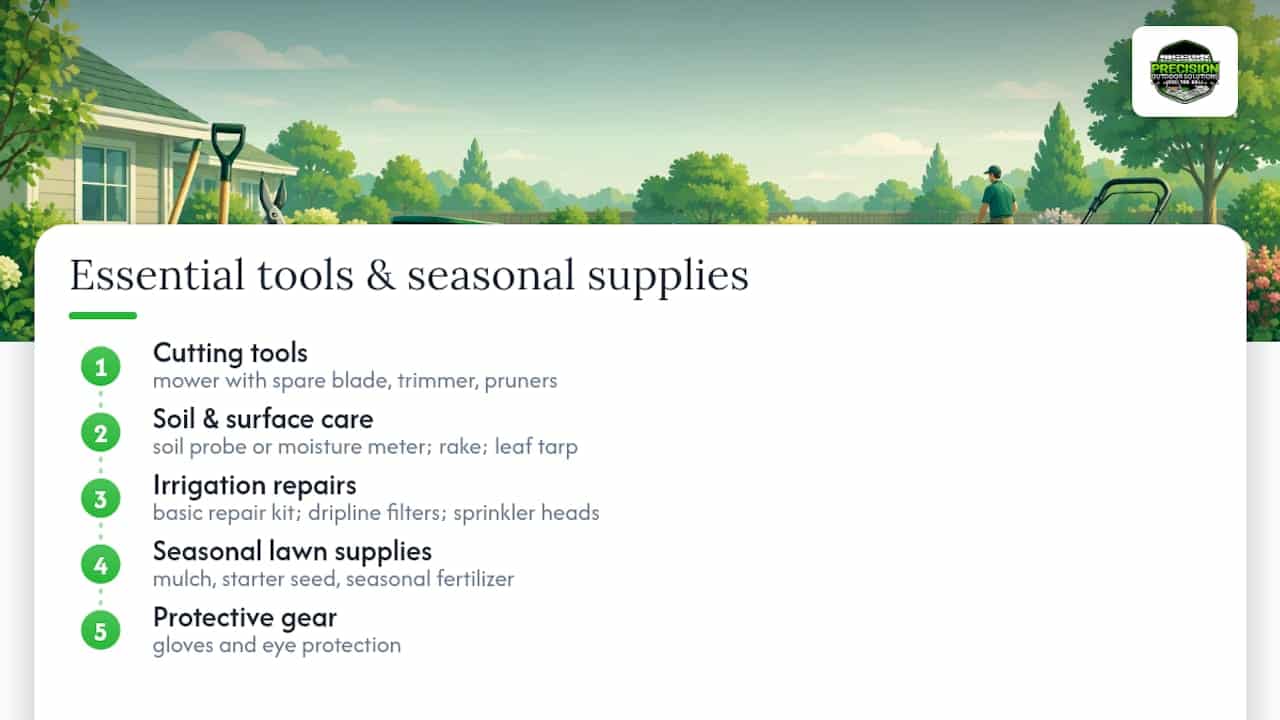
A mower with a spare sharp blade, a string trimmer, hand pruners, a soil probe or moisture meter, a rake, leaf tarps and a basic irrigation repair kit cover most jobs. Stock mulch, starter seed, the right fertilizer for the season, dripline filters, spare sprinkler heads and gloves and eye protection before you need them, not after.
One-page printable checklist and how to customize it
Lay the checklist out with season columns across the top and weekly and monthly task rows down the side, plus a field for the crew or vendor who handled each visit.
- Adjust fertilizer amounts to your actual lawn square footage rather than a flat guess.
- Flag any task, like large-tree pruning or drainage repair, that should go to a professional instead of DIY.
- Add a row for each irrigation zone so nothing gets skipped during seasonal adjustments.
Pair the printable version with our spring yard cleanup checklist for a Missouri-specific starting point, and browse native plant picks if you’re customizing beds for lower water use.
Safety precautions and protective gear for yard work
Landscape work involves sharp blades, chemicals and repetitive strain, so a few habits go a long way toward avoiding injury.
- Wear safety glasses or goggles whenever you’re mowing, trimming or using a blower, since debris travels farther than you’d expect.
- Use ear protection with gas-powered equipment; hearing damage from repeated exposure builds up quietly over years.
- Wear closed-toe boots, not sneakers, when running a mower or trimmer, and gloves when handling pruners, thorny plants or fertilizer bags.
- Read the label before applying any fertilizer or pesticide, and wear the gloves or respirator it specifies rather than assuming it’s not needed for a small yard.
- Let engines cool before refueling, and store gas in an approved container away from heat sources.
- Keep kids and pets off treated turf until the product label says it’s dry or safe to re-enter.
- Check for hidden hazards — sprinkler heads, rocks, low branches — before mowing a new area for the season.
None of this is complicated, but it’s the kind of thing that gets skipped when you’re rushing to finish before dinner. Building it into the routine, the same way you’d check mirrors before backing out of a driveway, keeps small yard tasks from turning into an ER visit.
Equipment maintenance and care schedule
Well-maintained equipment lasts longer and does a better job, which matters for both your lawn and your budget.
- Sharpen mower blades at least once a season; a dull blade tears grass instead of cutting it cleanly, leaving turf more vulnerable to disease.
- Change mower oil and air filters per the manufacturer’s schedule, typically once a season for homeowner-grade equipment used regularly.
- Clean grass and debris off the mower deck after each use so buildup doesn’t affect the cut or the engine.
- Inspect string trimmer line and pruner blades for wear before each big job, and replace or sharpen as needed.
- Drain gas from two-cycle equipment before winter storage, or run it dry, to keep fuel from gumming up the carburetor.
- Store tools somewhere dry to prevent rust, and hang blades and shears rather than leaving them on the ground where they dull faster and rust sooner.
A five-minute check before you start a job catches most problems before they cost you a repair bill or a wasted afternoon.
Weed identification and targeted control methods
Different weeds call for different fixes, and treating the wrong one wastes both time and product.
- Crabgrass and other annual grassy weeds respond well to pre-emergent applied in spring before soil warms, since it stops seeds from germinating rather than killing established plants.
- Broadleaf weeds like dandelion and clover are easier to target with a spot spray or hand-pulling once you can identify the leaf shape, rather than treating the whole lawn.
- Perennial weeds with deep roots, think thistle or bindweed, often need repeated treatment across a season since a single pass rarely kills the root system.
- Dense, healthy turf mowed at the recommended height is itself a weed control method: MU Extension notes that taller grass shades out weed seedlings before they can establish.
- When in doubt about a weed’s identity, a local extension office can usually identify it from a photo or sample, which helps you avoid using the wrong herbicide.
Targeted, correctly timed treatment beats blanket spraying almost every time, both for cost and for the health of everything else growing nearby.
Waste disposal and composting guidelines
What you do with yard debris affects both your property and, in some cases, local regulations.
- Grass clippings can often be left on the lawn after mowing; they break down quickly and return nitrogen to the soil instead of adding to landfill waste.
- Leaves and small branches make good compost material when mixed with kitchen scraps in roughly equal parts by volume of “brown” and “green” material.
- Diseased plant material should go in the trash rather than the compost pile, since home compost rarely gets hot enough to kill off pathogens.
- Larger branches and storm debris usually need a separate yard-waste pickup or a trip to a municipal drop-off site, since most curbside compost programs have size limits.
- Check your city or county’s specific yard-waste rules before burning brush or bagging leaves in plastic, since requirements vary by municipality.
A backyard compost bin is one of the simplest ways to cut down on bagged waste while building better soil for beds and lawn alike.
Environmental considerations and sustainable landscaping practices
A landscape that works with local conditions needs less water, less product and less of your time.
- Group plants by water need rather than scattering them randomly, so you’re not overwatering drought-tolerant species to keep thirstier ones alive, a core principle in EPA WaterSense guidance.
- Choose native or regionally adapted plants where you can; they typically need less irrigation and fewer inputs once established. Our guide to native plants for Missouri yards is a good starting point.
- Leave grass clippings on the lawn and compost what you can instead of bagging everything for pickup.
- Use microirrigation or drip lines on garden beds instead of overhead spray, which loses more water to evaporation and wind drift.
- Treat pest and weed control as a last resort after cultural fixes, following the IPM order described earlier, to limit runoff and protect pollinators.
None of these swaps require a full redesign. Most homeowners can phase them in over a season or two as beds get renovated anyway.
Precision Outdoor Solutions’ perspective on the checklist
After years of experience maintaining lawns and outdoor spaces, we’ve found the checklist itself matters less than sticking to it. Drainage problems and repeated turf failure are the two signs it’s time to call a professional instead of trying another round of DIY fixes.
— Precision Outdoor Solutions
How Precision Outdoor Solutions can help with your maintenance plan

Keeping up with mowing, fertilization, aeration and drainage checks on top of everything else on your plate is a lot to manage alone. Precision Outdoor Solutions offers Lawn & Landscape Maintenance for homeowners and property managers who want the schedule handled without the guesswork, along with Yard Drainage Solutions for the pooling or erosion issues a checklist alone won’t fix. We’ll walk your property, build a maintenance plan or one-off visit around what your lawn and beds actually need, and give you a straightforward estimate before any work starts.
Sources
- Cool-Season Grasses: Lawn Maintenance Calendar | MU Extension
- Proper mowing practices for your lawn | MU IPM
- Outdoor water-smart landscapes | EPA
- Structural pruning: a guide to the green industry | ISA-related proceedings
FAQ
What should be on a monthly landscape maintenance checklist?
A monthly checklist should include inspecting sprinkler heads and filters, checking mulch depth, testing soil moisture by hand and confirming mower blades are still sharp. Pair these checks with weekly mowing and edging so small problems get caught before they become expensive ones.
How often should you fertilize your lawn each year?
Most cool-season lawns need fertilizer in early fall, again in mid to late fall, and a lighter application in spring. MU Extension recommends 0.75 to 1.0 pound of nitrogen per 1,000 square feet in September and October, 1.0 pound in November, and 0.5 to 1.0 pound in March or April.
What is the one-third rule in mowing?
The one-third rule means never cutting more than one-third of the grass blade’s height in a single mow, since removing more stresses the roots and invites disease. MU Extension recommends a mowing height around 3 to 4 inches for cool-season grasses to follow this rule properly.
When is the best time to aerate and overseed a lawn?
Early fall is the best window for core aeration and overseeding cool-season lawns, since soil is still warm enough for seed to germinate and roots have time to establish before winter. This timing also lines up with the season’s heaviest fertilizer application for the best results.
Do I need a professional for landscape maintenance or can I DIY it?
Routine mowing, weeding and basic pruning are manageable for most homeowners with the right tools and a consistent schedule. Recurring drainage problems, large tree pruning near structures or power lines, and repeated turf failure despite proper care are signs it’s time to bring in a professional.
Recommended
- 4 Weekend Wins For Low Maintenance Landscaping Homeowners Can Do
- Small Backyard Landscaping: Weekend Wins And 25+ Years Contractor Tips
- Stop Yard Erosion This Weekend: Action First Fixes For Homeowners
This article was prepared with AI assistance for general information. For recommendations specific to your property, contact Precision Outdoor Solutions. Call or text us at (636) 358-8644.