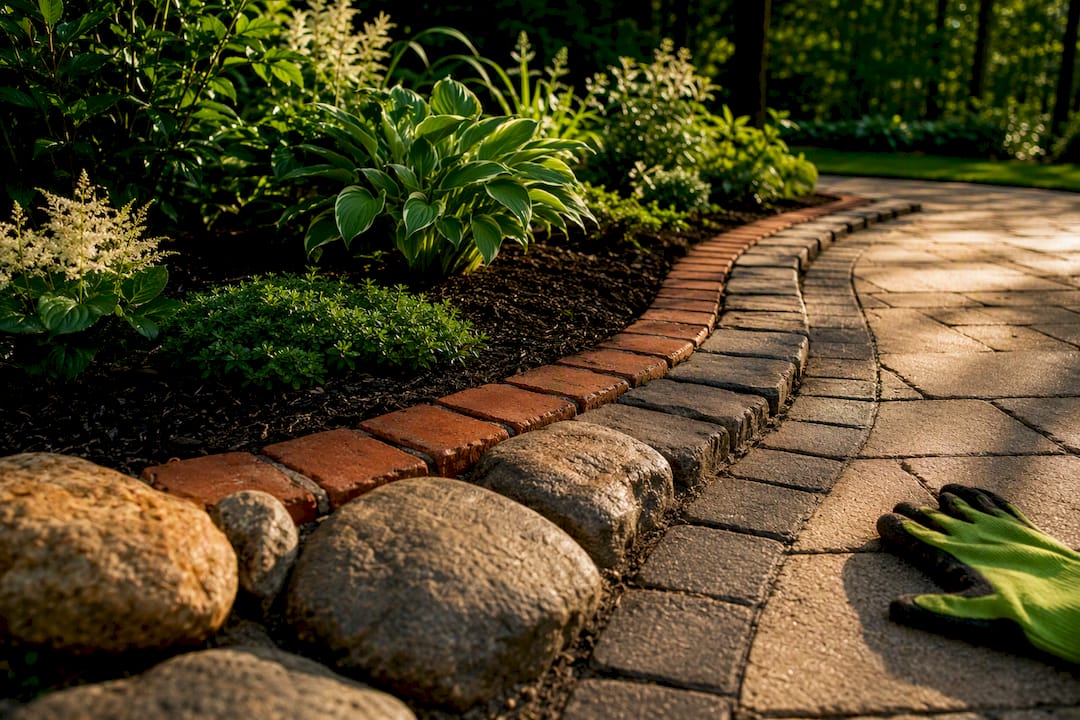
The fastest way to a low maintenance landscaping plan is to shrink the lawn, match plants to your actual site conditions, mulch and group everything by water need, then automate the watering. That combination alone can cut weekly upkeep dramatically, but no yard runs itself. Even the best-designed landscape still asks for seasonal pruning, a mulch refresh, and a little irrigation attention each year.
TL;DR:
- Replacing narrow turf strips with mulch beds and grouping plants by water need can significantly reduce weekly maintenance tasks.
- Hardscaping such as patios and paths, especially when built with durable materials and proper edging, decreases mowing, edging, and weed control effort.
- Using native, drought-tolerant plants in large groups minimizes watering, pruning, and pest management, while simplifying landscape care routines.
- Incorporating rainwater harvesting, permeable surfaces, and proper grading reduces irrigation needs and runoff, cutting overall water consumption by about half.
- Staging yard conversions and using essential tools for pruning, weeding, and irrigation help maintain the landscape efficiently without large, costly overhauls.
Table of Contents
- Low Maintenance Landscaping Fast Wins You Can Start This Weekend
- Hardscaping That Actually Reduces the Work
- Plant Choices That Cut Watering, Pruning, and Pest Work
- Groundcovers and Turf Alternatives Worth Considering
- Automating Irrigation So You’re Not the Sprinkler
- Mulch and Soil: The Two-Dollar Fixes With Outsized Payoff
- Design Principles That Keep Maintenance Predictable
- Realistic Seasonal Maintenance and What It Costs
- Budget-Friendly Ways to Get There
- Managing Pests Without Reaching for Chemicals First
- Rainwater Harvesting and Simple Water Management
- Wildlife-Friendly Features That Don’t Add Work
- Tools Worth Owning for a Low Upkeep Yard
- A Contractor’s View on Staging a Low Maintenance Conversion
- Getting Professional Help With Your Low Maintenance Yard
- Sources
Low Maintenance Landscaping Fast Wins You Can Start This Weekend
You don’t need a full redesign to feel a difference by Monday. These four moves target the chores that eat the most time and give you a return fast.
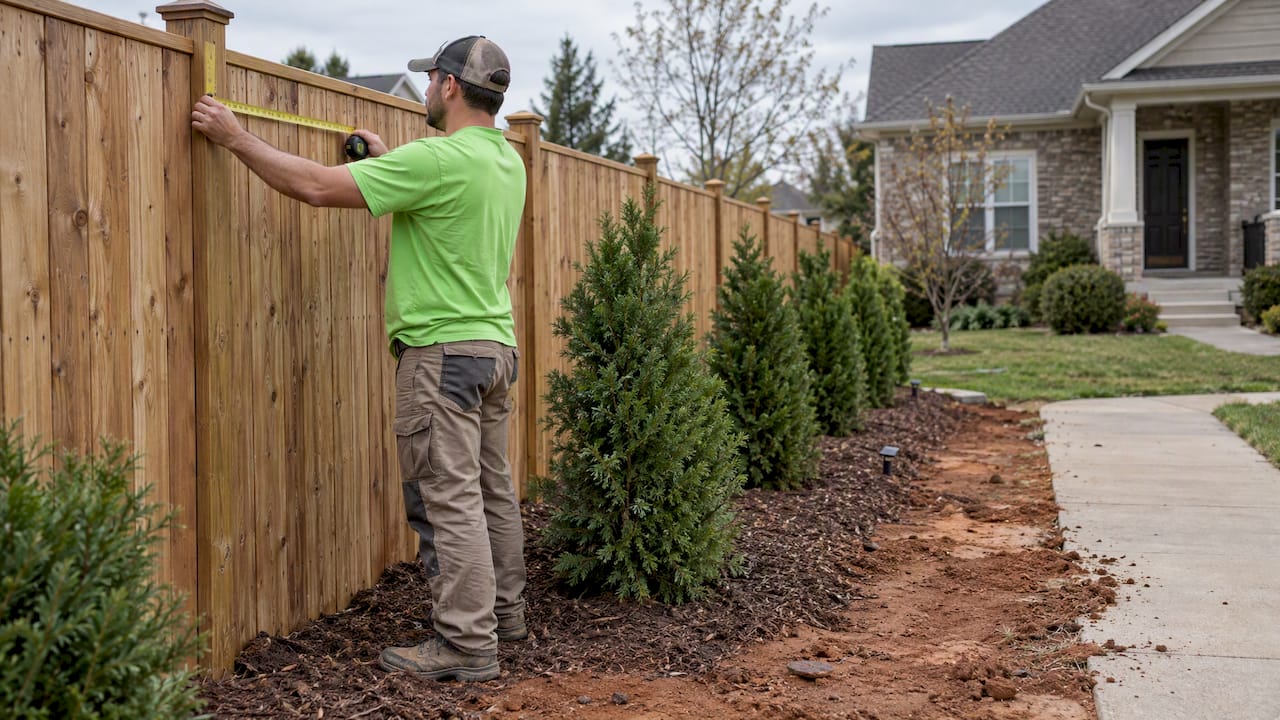
- Convert narrow turf strips to mulch beds. Those skinny grass strips along fences and driveways are hard to mow and easy to replace. Swap them for mulch and a drift of native perennials or ornamental grass. Budget a weekend for a 10 by 30 foot strip.
- Add a gravel path where foot traffic already wears a trail. If you see a worn line across the lawn, that’s free design guidance. A few hours and a couple of bags of gravel turn it into a path that never needs mowing.
- Install a timer on a hose-end drip kit. A basic mechanical timer costs less than dinner out and takes 20 minutes to set up. It waters while you’re at work and shuts off before you overdo it.
- Repeat a modest number of plants in bold masses instead of collecting one of everything. Pull extras from beds this weekend and regroup what’s left into fewer, larger clusters. Less variety means fewer specialized care routines to remember.
Hardscaping That Actually Reduces the Work
Every square foot of patio, path, or gravel bed is a square foot you’ll never mow, edge, or fertilize again. Hardscaping such as patios and paths generally requires less long-term maintenance than lawns and flowering perennials, which is exactly why it shows up in nearly every low upkeep yard plan.
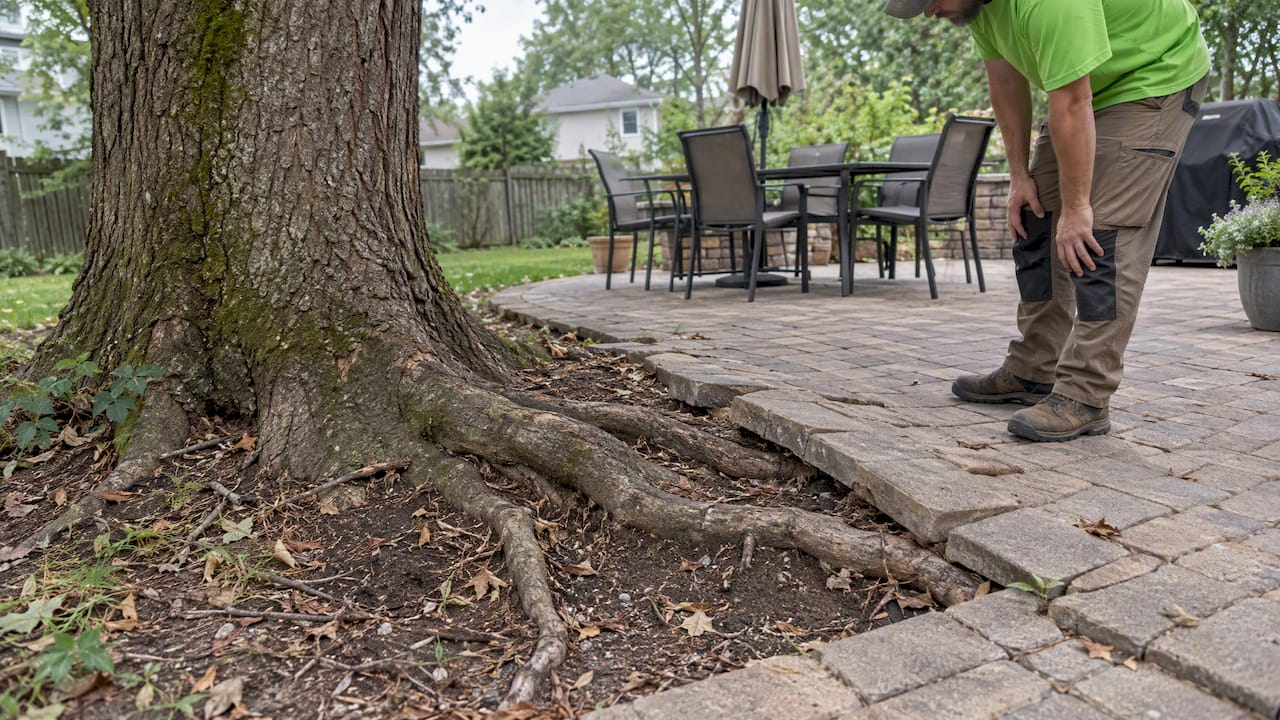
Material choice changes the maintenance math, though. Poured concrete patios tend to outlast brick-in-sand installations, which may need resetting every few years as pavers shift. Gravel is the cheapest entry point but needs occasional weeding and topping off. Permeable pavers cost more upfront but handle rain without pooling or eroding.
A few design rules keep hardscape working for you instead of against you:
- Leave a clean, straight edge between beds and lawn so a mower wheel can ride along it without extra trimming.
- Keep planting beds at least three feet deep. Anything narrower dries out fast and looks scraggly within a season.
- Set gravel and paver beds over filter fabric, since installing over filter fabric prevents drainage problems that lead to standing water and washed-out gravel.
- Phase larger hardscape projects over a season or two rather than tearing out the whole yard at once.
Pro Tip: Before you commit to a material, ask how it handles freeze-thaw cycles in your area. A patio that cracks every winter isn’t low maintenance, it’s a recurring repair bill.
Plant Choices That Cut Watering, Pruning, and Pest Work
Plant selection is where most low maintenance landscaping plans succeed or fail. Design-driven choices, matching plants to your site conditions, simplifying the palette, and grouping by water need, are the core of what makes a landscape low-maintenance in the first place.
Start with the site, not the plant catalog. Note where the sun sits at 2 p.m. in July, where water pools after rain, and whether your soil drains fast or stays soggy. A plant that thrives in full sun and dry soil will struggle and demand extra care in a shaded, damp corner, no matter how “easy” the tag claims it is.
Native and drought-tolerant cultivars have already adapted to your regional rainfall and temperature swings, so they need less supplemental water and fewer pest treatments than exotic imports bred for a different climate entirely.
A few category rules simplify the decision:
- Ornamental grasses (switchgrass, little bluestem, and similar tough natives) need one cutback a year and shrug off drought once established.
- Slow-growing evergreen shrubs hold their shape with one light shearing annually instead of the constant pruning fast growers demand.
- Tough perennials like coneflower, sedum, and yarrow tolerate poor soil and skip years without dividing.
- Succulents work well in hot, dry, reflective spots near driveways and south-facing walls where little else survives.
Limit your palette to 10 to 15 species repeated in bold masses. Practical low-care strategies from horticulture Extension programs consistently recommend using fewer species repeated in large groupings rather than one-of-everything collections, because each new species is another set of watering, pruning, and pest habits to learn and manage. Fewer species also means fewer surprises when a pest or disease shows up, since you’re watching for problems on a handful of plants instead of thirty.
Groundcovers and Turf Alternatives Worth Considering
A full lawn isn’t always the enemy. It’s still the best surface for kids, dogs, and games of catch. The goal is right-sizing turf to where you actually use it, then replacing the rest.
- Native warm-season grasses (buffalo grass in drier regions, for example) need less frequent mowing and far less water than cool-season turf, but they take a full growing season to establish and need weed control while they fill in.
- Clover mixes stay green with minimal mowing and fix their own nitrogen, cutting fertilizer needs, though they bruise more visibly under heavy foot traffic.
- Groundcovers like creeping thyme or sedum handle slopes and thin soil where mowing is a hassle anyway.
- Mulch beds are the lowest-effort option of all for areas nobody walks across.
Keep reduced turf wherever function demands it: play areas, pet zones, and the spot where the trash cans roll out weekly. Convert the rest.
Automating Irrigation So You’re Not the Sprinkler
Grouping plants by water need and running them on separate zones is the single biggest lever in low water landscaping. A bed of drought-tolerant natives and a bed of moisture-loving perennials should never share one watering schedule, because one group ends up drowned or the other dies of thirst.
Drip irrigation delivers water directly to the root zone instead of spraying it into the air, where wind and sun evaporate a chunk before it ever reaches the soil. Low-maintenance, water-wise landscape designs can cut outdoor water use by roughly 50% compared to a conventional sprinkler-and-turf setup, which shows up directly on your water bill.
- A basic mechanical hose timer works fine for a small bed or two.
- A smart controller with a rain sensor skips watering days automatically after a storm, so you’re not running the system into already-saturated soil.
- DIY drip kits handle small, simple layouts well.
- Multi-zone systems with buried lines are worth hiring a professional for, especially for winterization in freeze-prone climates, where a missed drain-down means a cracked line come spring.
Pro Tip: Walk your yard right after a heavy rain and mark where puddles form. Those spots need less irrigation than you think, and watering them anyway is the fastest way to root rot.
Mulch and Soil: The Two-Dollar Fixes With Outsized Payoff
Two to four inches of mulch does more work per dollar than almost anything else in a low upkeep yard. That depth suppresses weeds, conserves soil moisture, and moderates soil temperature, and organic mulch breaks down over time to add nutrients back into the soil.
Organic options like shredded bark or wood chips feed the soil as they decompose but need topping off yearly. Inorganic options like river rock or lava rock last far longer without refreshing, though they add zero organic matter and can bake the soil hotter in full sun.
- Get a soil test before you plant anything new. County Extension offices, like Cornell Cooperative Extension’s soil testing program, run inexpensive tests that tell you pH and nutrient levels so you’re not guessing at plant compatibility.
- Keep mulch pulled back a few inches from stems and trunks to avoid rot.
- Refresh mulch once a year, typically in spring.
- On slopes, use a coarser mulch or add edging to stop washout during heavy rain.
Design Principles That Keep Maintenance Predictable
Good maintenance outcomes start on paper, not with a shovel. Plant massing and repetition simplify care because you’re managing routines for a handful of species instead of tracking dozens of individual needs.
- Space plants slightly closer than their mature spread to suppress weeds sooner without crowding. This slightly denser spacing closes the bed faster and suppresses weeds sooner without crowding plants into constant pruning battles later.
- Keep bed depth manageable, generally no more than four feet from the front edge, so you can reach every plant without stepping into the mulch.
- Add a mowing strip or stepping path anywhere you’ll need to reach a hose, prune a shrub, or pull an occasional weed.
Planning for tool access and mature plant size up front, rather than fixing it later, is what separates a yard that stays low maintenance for a decade from one that needs a redo in three years.
Realistic Seasonal Maintenance and What It Costs
A well-designed low maintenance yard still asks for attention on a schedule. Here’s what a typical season looks like once beds are established:
- Spring: Refresh mulch, cut back ornamental grasses, check irrigation lines for winter damage. Budget four to six hours.
- Summer: Spot-check drip emitters, deadhead spent perennials as needed. Expect 15 to 30 minutes a week.
- Fall: Trim shrubs before dormancy, clear leaves off gravel and hardscape. Budget three to four hours.
- Winter: Drain and winterize irrigation lines, inspect hardscape for cracking. Budget two hours.
Total seasonal commitment for a converted, established yard often lands around a few hours a week or so over the year, a fraction of what a traditional turf-heavy lawn demands weekly. For occasional jobs you’d rather not tackle yourself, like mulch delivery, pruning overgrown shrubs, or irrigation winterizing, a small contractor visit typically runs in the low hundreds of dollars depending on yard size and scope.
Budget-Friendly Ways to Get There
You don’t need to spend everything at once. Buy mulch in bulk from a landscape supplier rather than bagged from a retail store, since bulk pricing per cubic yard is consistently cheaper. Reclaimed pavers and pea gravel deliver the hardscape look without the cost of new cut stone.
- Phase the conversion bed by bed, starting with the area you see most from a window or the driveway.
- Handle mulching, planting, and simple drip kit installs yourself.
- Leave grading, drainage correction, and retaining wall work to professionals. Getting those wrong costs far more to fix than to do right the first time.
Staging the work this way also means your yard stays usable throughout, instead of turning into a construction zone for a month straight.
Managing Pests Without Reaching for Chemicals First
Fewer plant species and healthier soil naturally cut down on pest and disease problems, which is one more reason a simplified palette pays off. Stressed plants, ones fighting the wrong light, wrong soil, or drought, are the ones pests target first. Right-plant, right-place selection removes a lot of that vulnerability before it starts.
Air circulation matters more than most homeowners realize. Crowded beds trap humidity against leaves, which invites fungal disease.
When something does show up, start with the least invasive fix. A strong spray of water knocks aphids off new growth. Hand-pulling the first few weeds in a new bed prevents the population explosion that leads to spraying later. Diseased leaves or branches should come off and go in the trash, not the compost pile, so spores don’t recirculate through the yard.
Reserve chemical treatments for genuine outbreaks, and choose the most targeted product available rather than a broad-spectrum spray that also kills the beneficial insects keeping other pests in check. Ladybugs, lacewings, and ground beetles do free pest control if you let them stick around. A yard heavy on chemical treatments often creates more work long term, since it wipes out the predators that would otherwise keep pest populations in balance on their own.
Rainwater Harvesting and Simple Water Management
Capturing rain is one of the more overlooked pieces of low water landscaping, and it pairs naturally with drought-tolerant plant choices. A basic rain barrel under a downspout collects water you’d otherwise watch run into the street, and gravity feeds it right back out through a soaker hose or watering can when beds need a drink.
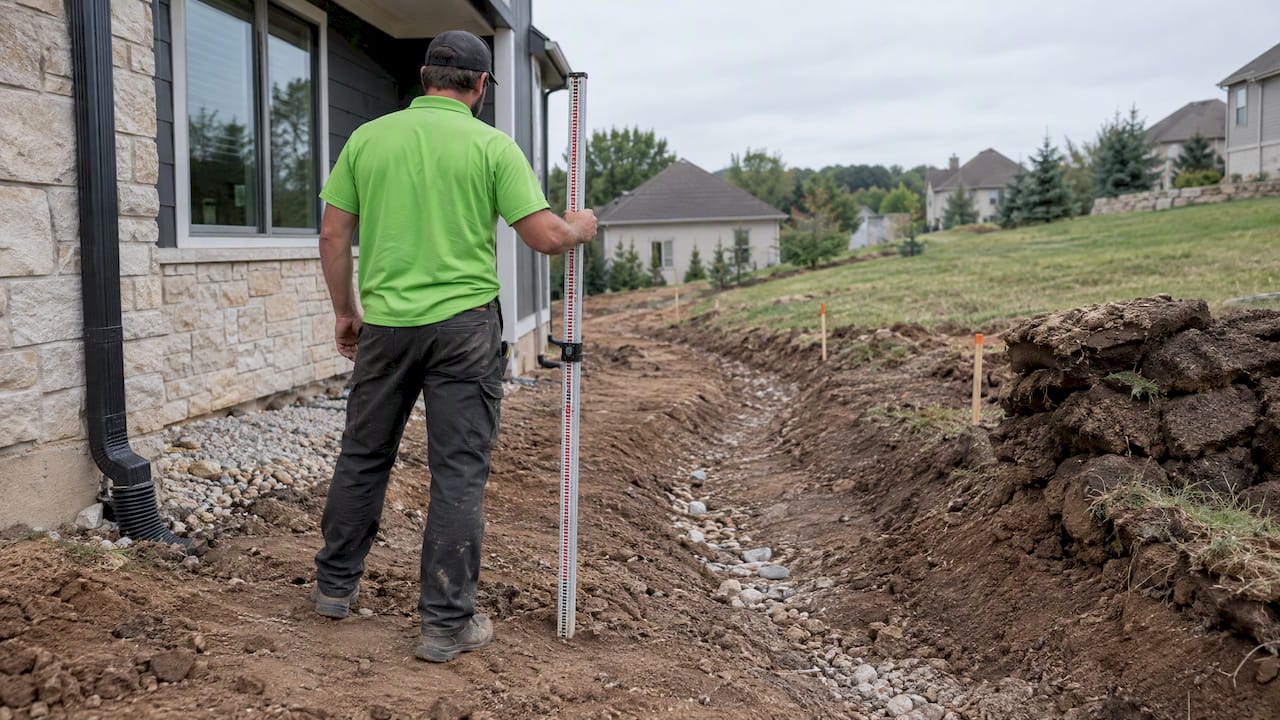
Grading matters just as much as collection. Beds and lawn areas should slope gently away from the house and toward planting zones rather than storm drains, so rainfall soaks into the soil where your plants can use it instead of washing off the property entirely.
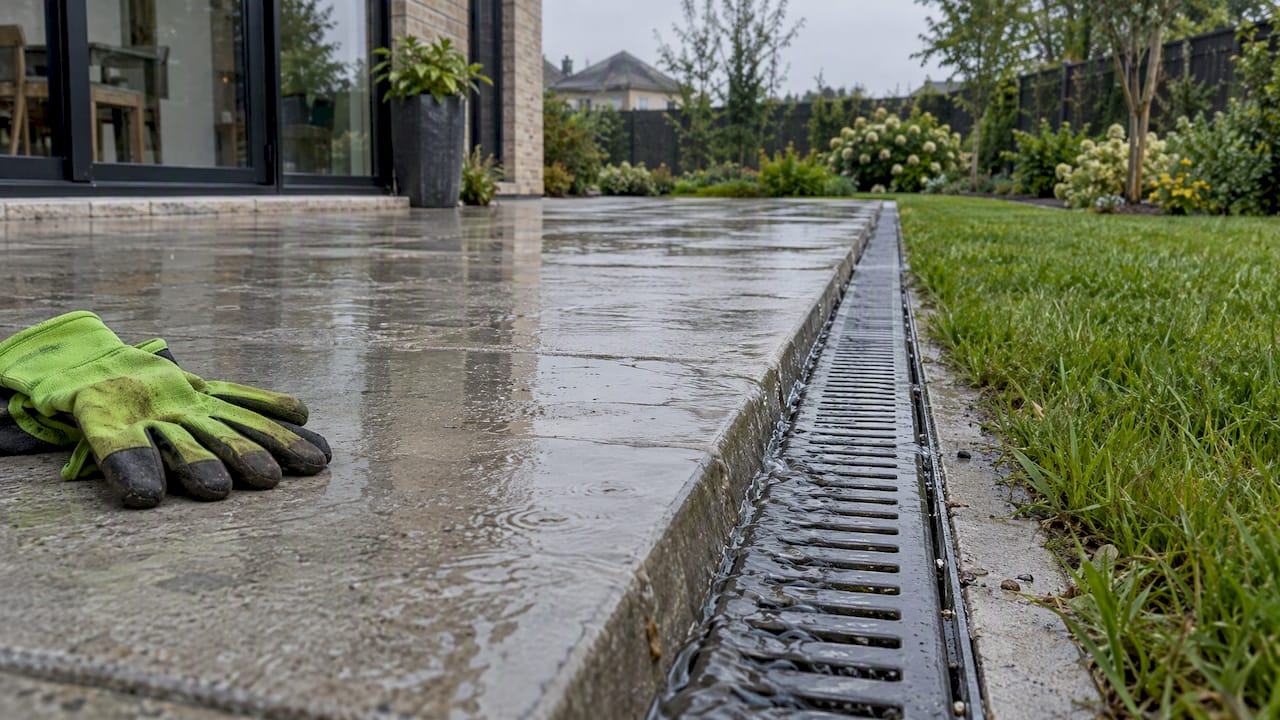
Permeable hardscape plays a role here too. Gravel paths, permeable pavers, and mulched beds all let rain filter into the ground rather than sheet across a hard surface. That reduces runoff, cuts erosion on slopes, and lowers how often you need to run supplemental irrigation after a decent storm.
For homeowners dealing with low spots that stay soggy, a simple rain garden, a shallow, mulched depression planted with moisture-tolerant natives, handles overflow without any mechanical system at all. It’s a one-time dig-and-plant project that then runs itself for years.
None of this requires elaborate plumbing or a permit-heavy project. A rain barrel, smart grading, and permeable surfaces cover most of what a typical residential yard needs for water management, and each one reduces how often you’re out there with a hose.

Wildlife-Friendly Features That Don’t Add Work
A low maintenance yard and a wildlife-friendly yard overlap more than most homeowners expect, mostly because the plants that support pollinators and birds are the same tough natives already recommended for drought tolerance and easy care.
Native flowering perennials like coneflower and yarrow feed bees and butterflies without needing any special care beyond what you’re already doing. A shallow birdbath or a small water dish refreshed weekly draws songbirds without any plumbing or upkeep beyond a rinse. Leaving a small brush pile or a stack of fallen branches in a back corner gives small wildlife shelter and costs nothing but the willingness to skip cleaning up that one spot.

Skipping fall cleanup on a section of ornamental grasses and spent perennial stems does double duty. It shelters overwintering insects and beneficial pollinators, and it saves you a chore. Leave the seed heads on coneflowers through winter and you’ll get finches feeding on them into the cold months. A small brush pile, a rock stack, or a shallow water source asks for almost nothing once it’s in place, yet it turns a low-effort yard into one that’s actually doing something for the birds, bees, and beneficial insects working your garden for free.
Tools Worth Owning for a Low Upkeep Yard
You don’t need a shed full of gear to maintain a simplified landscape. A short list of the right tools covers nearly everything.
- A quality bypass pruner for the annual shrub shearing and perennial cutbacks. Skip the cheap anvil-style version; it crushes stems instead of cutting them cleanly.
- A hard rake for spreading and leveling mulch and gravel.
- A hose-end timer or basic smart controller to handle watering without you standing there with a hose.
- A soil knife or hori-hori for weeding and dividing perennials without disturbing neighboring roots.
- A wheelbarrow for hauling bulk mulch, which is always cheaper than bagged.
That’s a genuinely short list, and it’s the point. A yard designed to reduce recurring tasks doesn’t need recurring equipment purchases either.
A Contractor’s View on Staging a Low Maintenance Conversion
Homeowners often assume converting to a low upkeep yard means tearing everything out at once. It rarely should. Staging a turf conversion over time preserves yard function instead of turning your yard into an unusable job site for weeks.
On a recent terraced yard project, we converted a steep, hard-to-mow slope in phases, retaining walls first, then plantings, so the family kept a usable backyard the entire time.
When you’re getting estimates, ask a contractor how they’ll phase the work, what mature plant sizes they’re designing around, and how irrigation zones will be split by water need. Those answers tell you whether a design is built to actually reduce your workload or just relocate it.
— Mario
Getting Professional Help With Your Low Maintenance Yard
Unlike a weekend DIY project that stalls out after the mulch runs low, a professional service can handle the full conversion, design, turf reduction, hardscape, irrigation zoning, and planting as one coordinated project instead of a string of half-finished weekend jobs. We serve homeowners across St. Charles County and nearby areas.

Every project starts with a site visit and a straightforward estimate. Come to that visit with a rough idea of which areas frustrate you most to maintain, how you actually use the yard day to day, and any drainage or slope issues you’ve noticed after heavy rain. That information shapes a design that fits your site instead of a generic template.
If ongoing upkeep is your bigger concern, our lawn and landscape maintenance plans cover the seasonal work outlined above so it never lands back on your weekend. Ready to see what a converted, lower-effort yard looks like on your own property? Visit our full services page to request a consultation and get a real estimate started.
Sources
- Water conservation and irrigation guidance — Kansas State / Sedgwick County Extension
- Low-Maintenance Landscaping — MU Extension
- Low-maintenance landscape ideas — Home & Garden Information Center (Clemson)
- Twenty-Two Ideas for a Low-Care, Low-Cost Landscape — IFAS (University of Florida)