Ornamental metal or aluminum fencing, low picket fences, horizontal wood slat panels, low stone or masonry walls, and composite or vinyl privacy fencing consistently deliver the biggest curb-appeal payoff. Open, decorative styles like aluminum and low picket tend to add the most visual appeal, while chain-link often adds the least and can even hurt appeal in upscale neighborhoods. For a front yard, lower and more open usually beats tall and closed off, unless privacy is a hard requirement. Here’s what settles the decision:
- Match the fence to your home’s architecture (colonial homes wear picket well; modern builds favor horizontal slats)
- Keep front-yard height in the 2 to 4 foot range unless you genuinely need privacy
- Weigh your maintenance tolerance honestly before falling for a wood fence’s look
A well-matched, well-kept fence frames your home in a way that reads as intentional. A mismatched or neglected one can signal the opposite, no matter how much you paid for it.
Key Takeaways
The fence styles that most reliably boost curb appeal are open, decorative designs scaled correctly to the home, not the most expensive material available.
| Point | Details |
|---|---|
| Favor open over solid | Low picket, ornamental metal, and horizontal slat styles improve curb appeal more than tall solid fencing out front. |
| Match your neighborhood | A fence that clashes with the predominant style nearby can reduce perceived home value regardless of quality. |
| Budget for upkeep, not just install | Wood needs staining or sealing every 2 to 3 years; vinyl, composite, and aluminum need far less ongoing work. |
| Check zoning and HOA rules first | Height limits, material restrictions, and permit requirements can eliminate styles before you buy materials. |
| Get a professional site assessment | Precision Outdoor Solutions evaluates drainage, sightlines, and neighboring styles before recommending a fence design. |
Table of Contents
- Front-Yard Fence Styles That Enhance Curb Appeal
- How Do You Choose the Right Fence for Your Home?
- Which Fence Material Lasts Longest With the Least Upkeep?
- What Does a Fence Cost, and Does It Pay You Back?
- How Precision Outdoor Solutions Evaluates Front-Yard Fence Projects
- Does Missouri Weather Affect Fence Style Choice?
- What Zoning and HOA Rules Should You Check First?
- What Homeowners Get Wrong About Fence Curb Appeal
- Ready to Install a Fence That Actually Fits Your Home?
- Sources
Front-Yard Fence Styles That Enhance Curb Appeal
Picking a fence style is really about matching your home’s personality, then narrowing down by budget and upkeep tolerance. Here’s how the most popular front-yard styles stack up.
- Picket fence. The classic curb-appeal choice for a reason. Keep it at 2 to 3 feet for smaller lots so it frames the yard without boxing it in. This style pairs naturally with cottage and colonial homes, especially in white or soft gray.
- Ornamental metal or aluminum. This gives you a premium, tailored look without the maintenance headaches of wood. It suits historic and upscale homes especially well, and it holds its finish through decades of Missouri weather swings.
- Horizontal wood slat. A modern favorite for contemporary builds. Be careful with scale here. On a small lot, a solid horizontal run can visually swallow the yard, so breaks, gaps between slats, or a mixed-material gate help keep it proportional.
- Low stone or masonry wall. Nothing anchors a landscape like stone. It reads as permanent and intentional, but plan for real cost and check that it won’t trap water against your foundation or a low spot in the yard.
- Composite and premium vinyl. These deliver privacy with a fraction of the upkeep of wood. Low-maintenance materials like these also tend to translate into higher buyer confidence, since buyers mentally subtract future upkeep costs from their offer.
- Split rail or hog wire with wood posts. Farmhouse charm at a modest price point. This works especially well on larger lots where a heavier fence would feel out of place.
- Living fence (hedges) and bamboo. A soft, natural boundary that improves habitat value and softens hard lines, but it takes time to establish and needs ongoing pruning to look intentional rather than overgrown.
- Corrugated metal and modern panels. A bolder choice that works when your home’s architecture already leans industrial or minimalist. On a traditional home, this style tends to fight the house instead of complementing it.
A few style notes worth remembering:
- Darker fence colors (black, bronze) tend to make ornamental metal disappear visually, letting landscaping take center stage.
- Gates deserve as much design attention as the fence itself. A mismatched gate is one of the fastest ways to make an otherwise good fence look like an afterthought.
- Softening a fence line with low shrubs or perennial beds along the base almost always improves how a fence reads from the street.
How Do You Choose the Right Fence for Your Home?
Run through this order and the right choice usually becomes obvious: architecture match, then yard scale and sightlines, then function (privacy, pets, pool, security), then maintenance tolerance, and finally budget.
Before you call anyone, walk your own curb. Stand at the street and check what you can see of your front door, walkway, and windows. Then check your driveway approach and decide where a gate should sit so it doesn’t interrupt the natural walking path.
When you do talk to a contractor, ask these questions directly:
- What specific material and gauge or grade are you quoting, and what’s the warranty?
- How will you handle drainage or grade changes along the fence line?
- Will this project need a permit or HOA approval, and who’s handling that paperwork?
- What’s the realistic install timeline given current lead times?
Watch for a few red flags. A style that clashes with everything else on your block is one of them, since homes with fences that don’t match the neighborhood’s predominant style tend to see reduced perceived value. So is “cheap vinyl” with no UV warranty, or any installer who quotes a price without ever setting foot on your property.
Pro Tip: Walk the block within about a quarter mile of your house before you finalize a style. If ornamental metal dominates and you’re the only one considering solid privacy panels out front, that mismatch will show up in how your home is perceived long before it shows up in a resale comparison.
Which Fence Material Lasts Longest With the Least Upkeep?
Wood wins on pure aesthetic warmth, especially for cottage, colonial, and farmhouse styles where the grain and texture actually matter to the look. But it demands the most from you in return: regular staining, sealing, and board replacement over its life.
Vinyl, composite, and aluminum trade a little bit of that organic character for years of low-maintenance performance. Aluminum and coated metals resist corrosion and hold up well near pools, while vinyl and composite resist rot without the recurring stain-and-seal cycle wood requires.
Chain-link remains the practical, budget-friendly choice for pure containment. But used alone out front, it does little for curb appeal. Softened with climbing vines or a hedge row, it becomes far more tolerable to the eye. Stone sits at the other extreme: high upfront cost, essentially permanent, and the most convincing “built to last” statement you can make at the curb.
- Wood: Best look-for-cost ratio, but the highest ongoing labor
- Vinyl/composite: Near-zero maintenance, strong resale confidence
- Aluminum: Premium appearance, resists corrosion, holds up near pools
- Chain-link: Lowest cost and lowest curb-appeal contribution unless dressed up with plantings
- Stone/masonry: Highest cost, longest lifespan, real anchor for landscaping
What Does a Fence Cost, and Does It Pay You Back?
Installed costs vary a lot by material. Chain-link runs cheapest per linear foot, while premium steel or ornamental work sits at the top of the range, and lifecycle maintenance often decides which option is actually cheaper over ten years.
At resale, wood privacy fences typically recover a moderate to good portion of installation cost, while vinyl, composite, and aluminum often recover more where buyers value low upkeep. You can compare current material pricing here before budgeting your project.
Maintenance cadence matters just as much as material choice:
- Stain or seal wood fencing every 2 to 3 years
- Power rinse vinyl or composite once or twice a year to keep it looking new
- Inspect gate hardware and hinges annually before they start to sag or stick
A neglected fence drags curb appeal down even if the material was expensive when it went in. A mismatched style does the same, no matter how well it’s maintained.
How Precision Outdoor Solutions Evaluates Front-Yard Fence Projects
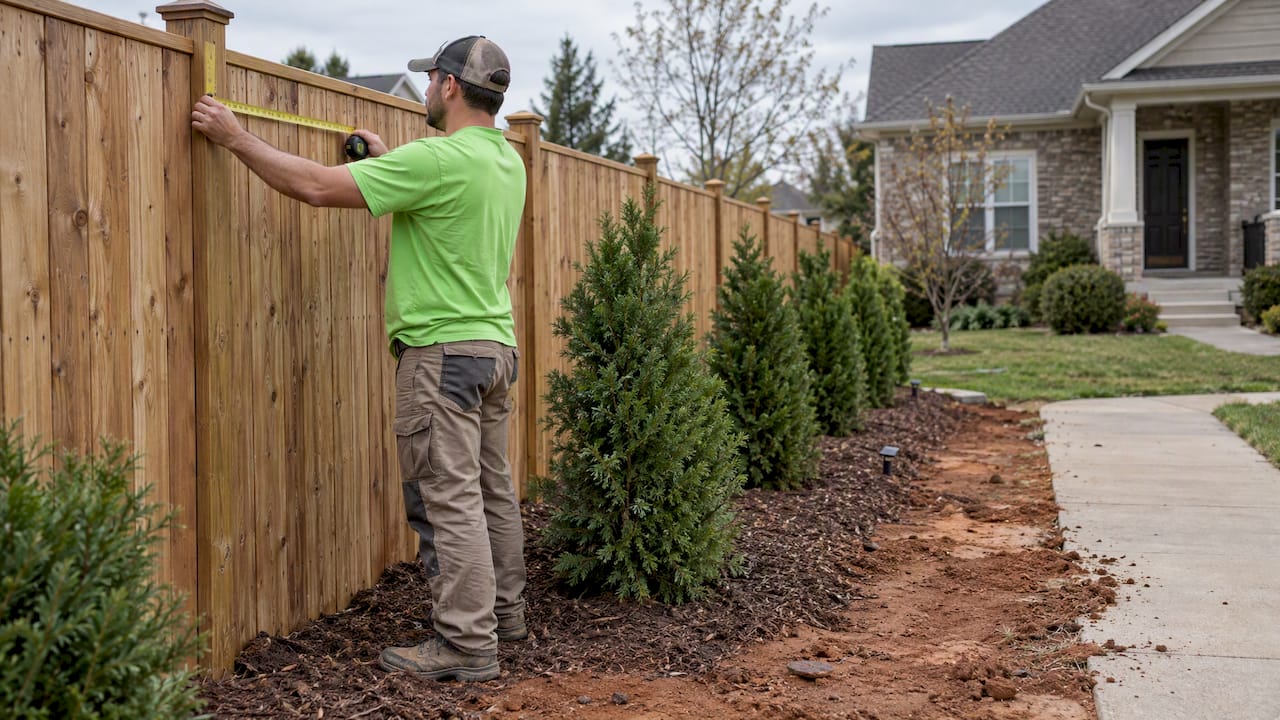
With over 25 years serving St. Charles County, Precision Outdoor Solutions treats every fence project as a durability-first build, not just an aesthetic upgrade. Before we recommend a style, we walk the site and check what actually affects the outcome:
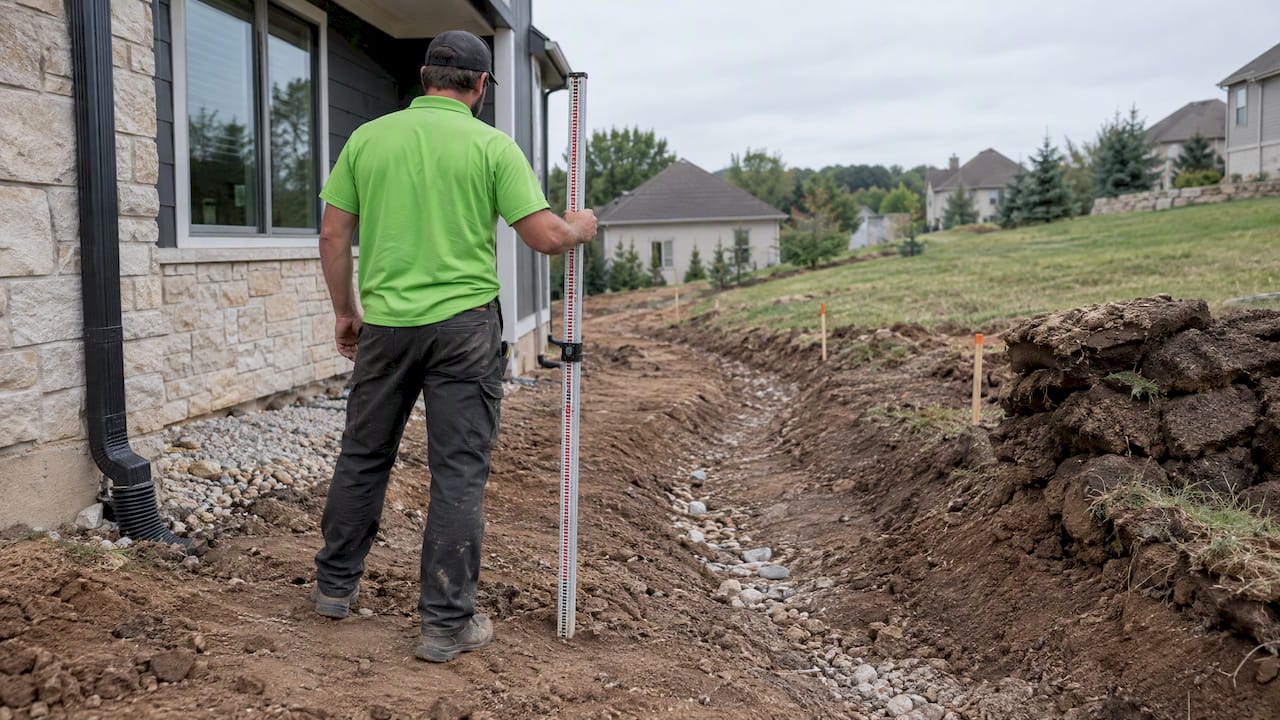
- Drainage and grade changes along the fence line
- Sightlines from the street, driveway, and front door
- Prevailing wind, since solid privacy panels can act like sails and need stronger footings
- Neighboring fence styles and HOA or permit requirements specific to your address
Does Missouri Weather Affect Fence Style Choice?
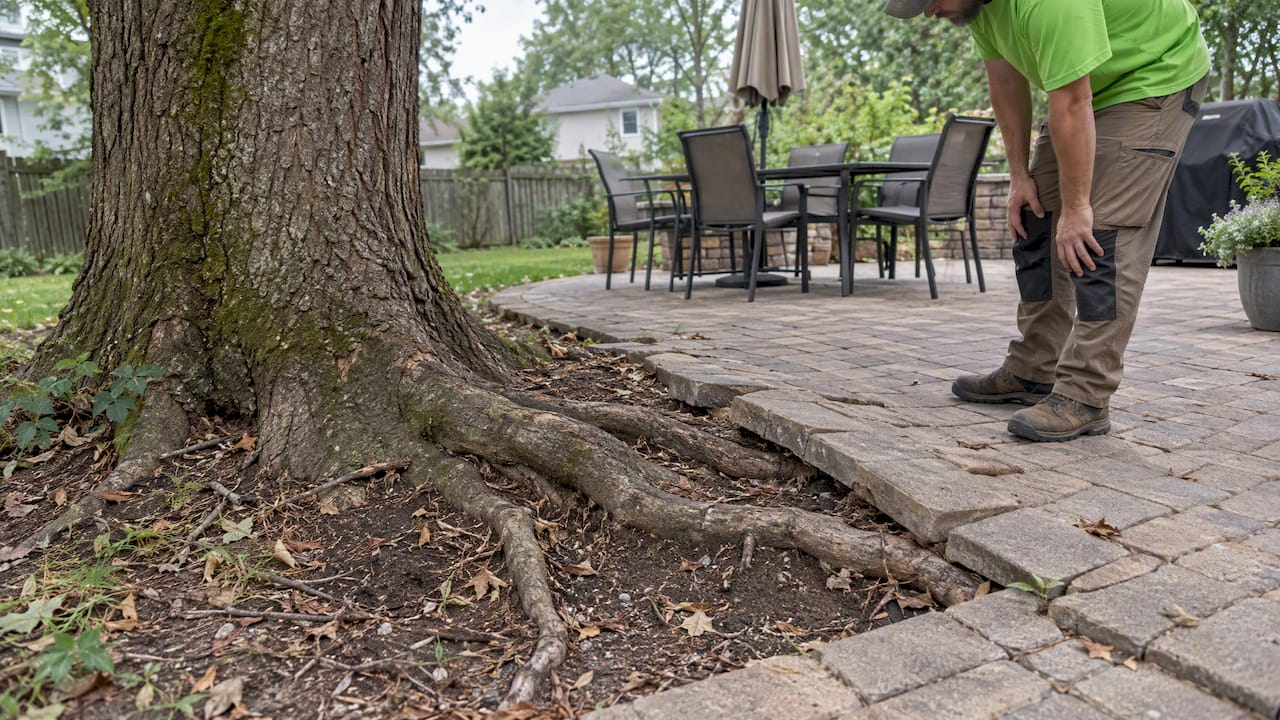
Wentzville sees real temperature swings, humidity, and clay-heavy soil that expands and contracts with moisture. Those conditions shape which fence styles hold up and which quietly fail within a few seasons.
Wood is the material most affected by this cycle. Missouri’s humid summers and freeze-thaw winters push and pull on wood fibers, which is why staining and sealing on a 2 to 3 year cycle matters more here than in drier climates. Skip it, and warping and graying show up faster than homeowners expect.
Vinyl and composite handle temperature swings with far less drama, since they don’t absorb moisture the way wood does. Aluminum and coated steel resist the corrosion that humidity accelerates, which is part of why they hold their finish so well near pools and low-lying yards where water tends to collect.

Wind matters more than most homeowners plan for. A solid privacy panel catches wind like a sail, and that load has to go somewhere. Taller wood or vinyl privacy sections need stronger post footings than an open picket or ornamental metal style, especially on exposed lots without windbreaks from trees or structures.
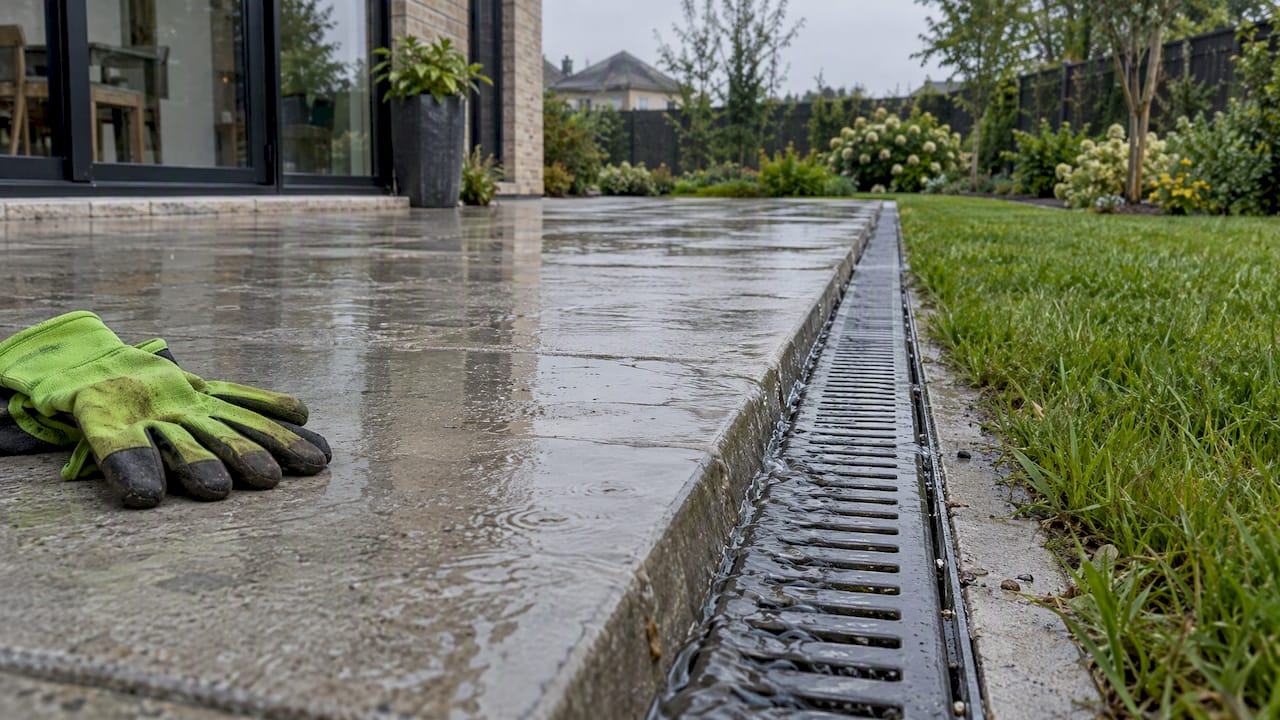
Drainage ties directly into all of this. Grade changes and low spots that pool water after Missouri’s spring rains will rot wood posts faster and can undermine even a well-built stone wall’s foundation over time. A site walk before installation catches these issues before they become expensive fixes.
What Zoning and HOA Rules Should You Check First?
Before you fall in love with a style, check what your municipality and HOA actually allow. Height limits, material restrictions, and setback requirements vary block by block, and they can eliminate options you’ve already budgeted for.
Most municipalities in St. Charles County cap front-yard fence height, often somewhere in the 3 to 4 foot range, with taller privacy fencing reserved for backyards. Corner lots frequently carry additional sightline restrictions near intersections and driveways, since a solid fence there can create a real visibility hazard for drivers and pedestrians.
HOA covenants tend to go further than municipal code. Many specify approved materials, colors, and even fence styles block by block, precisely to keep the kind of neighborhood consistency that protects everyone’s home value. Some require a design review before you install anything, and others restrict chain-link entirely in front yards.
Before ordering materials, pull your property’s plat and check for utility easements running along your fence line. A permit review typically checks setback compliance and utility markouts, and skipping that step is one of the more expensive mistakes homeowners make. A properly handled permit and HOA approval process takes time up front but saves you from a costly teardown later.

What Homeowners Get Wrong About Fence Curb Appeal
Homeowners chase material prestige more than they should. A high-end ornamental metal fence that clashes with a row of white picket fences down the block will underperform a cheaper picket fence that actually belongs. Design harmony consistently outperforms material cost when it comes to how a fence is perceived from the street.
The bigger blind spot is privacy. Homeowners often default to tall, solid fencing out front because it feels like the “finished” look, when lower, more open styles usually serve curb appeal better by preserving sightlines to the house and landscaping. Save the 5 to 6 foot privacy fence for the backyard, where nobody’s judging your home’s approachability.
What should you prioritize first? Walk your own street before you walk a showroom. The style that will genuinely raise your home’s curb appeal is usually already sitting in front of three of your neighbors’ houses, just waiting for you to notice the pattern.
Ready to Install a Fence That Actually Fits Your Home?
Choosing the right style is only half the job. Getting the drainage, footings, gate placement, and HOA paperwork right is what separates a fence that looks good for one season from one that still looks intentional a decade from now. Precision Outdoor Solutions has spent over 25 years building fences, patios, and retaining walls across St. Charles County with that exact durability-first mindset.

Our team handles the full project from site consultation through design and installation, including drainage assessment, permit coordination, and material selection suited to your home’s architecture and your yard’s specific grade and sightlines. If you want to see finished examples before deciding on a style, browse our project gallery for real fence and landscape installations around Wentzville and St. Charles County. When you’re ready to move forward, request a site visit through our fencing and landscaping services page and we’ll walk your property with you before you commit to a single material.
Sources
- Fence Material Comparison: Wood vs Vinyl vs Chain Link vs Aluminum vs Composite (2026) | Visual Fence Pro
- Does a Fence Add Value to Your Home? | iBuyer
- Front yard fence ideas | Gardening Know How