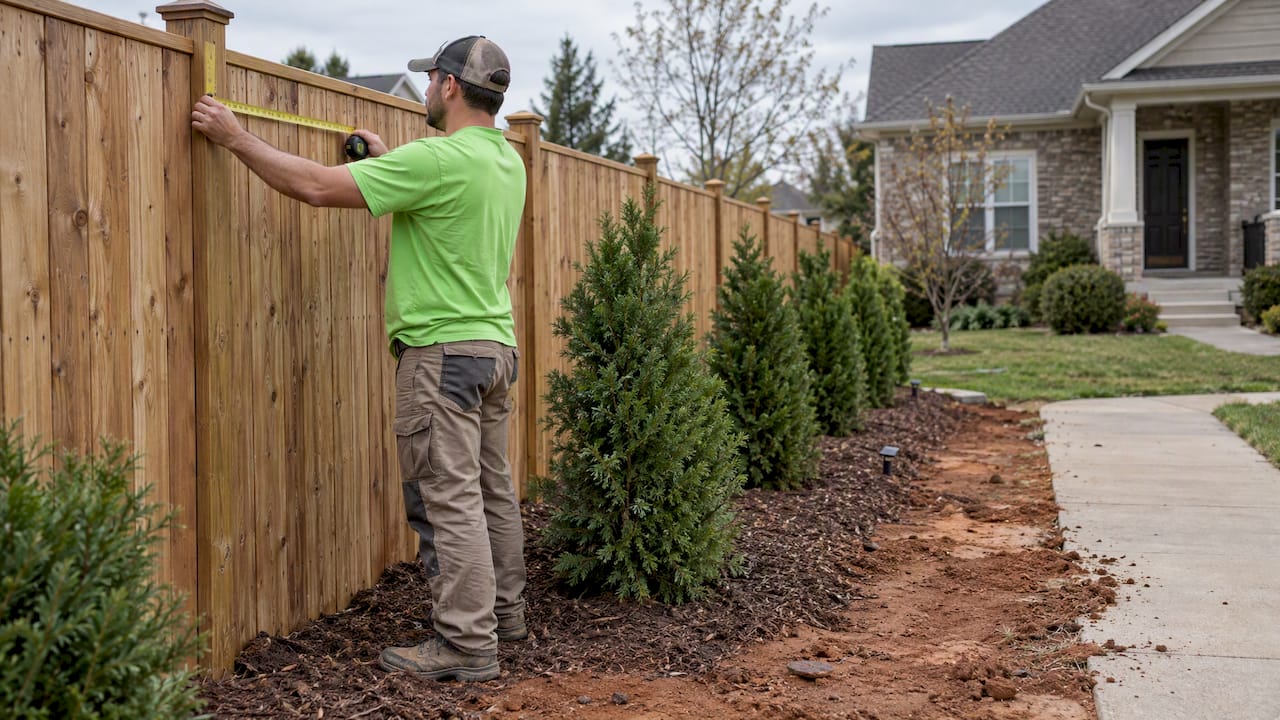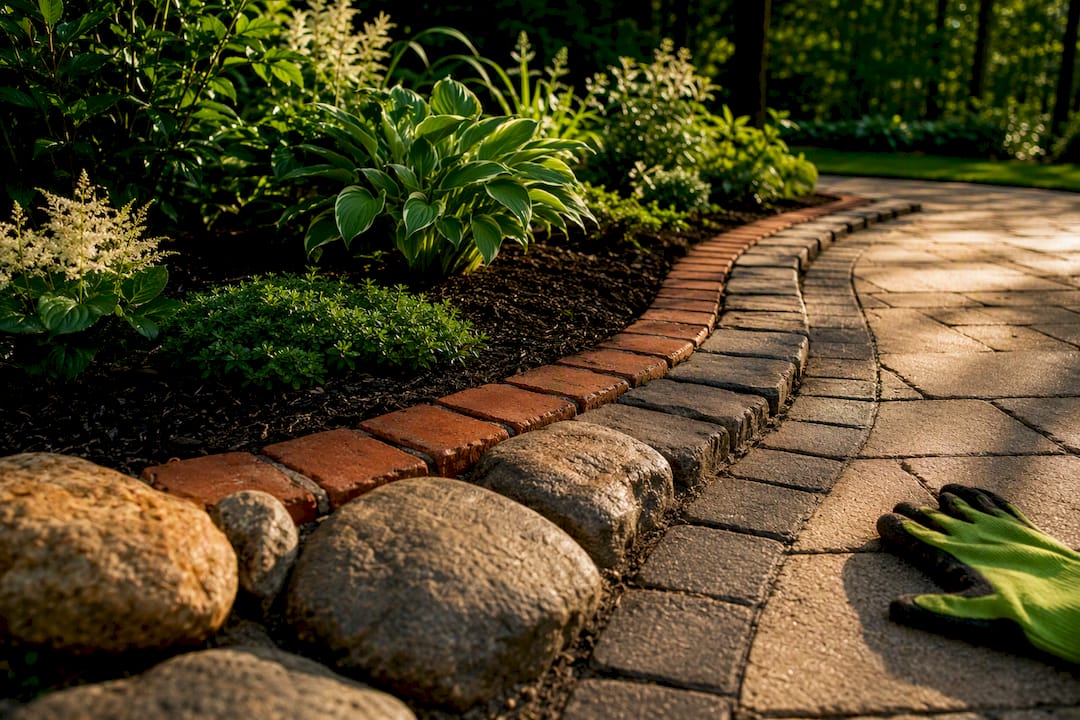
Start by zoning your yard into play, shared, and quiet areas. That single decision drives every safety choice that follows. Three things to do this week: map your sightlines from the kitchen or patio door, choose a shock-absorbing surface for wherever kids will play hardest, and add shade before you add anything else. The CPSC’s playground safety guidance and ASTM F1487 equipment standards exist for public playgrounds, but the same logic protects kids in your own yard. When you’re ready to plan beyond the basics, a local design resource like Precision Outdoor Solutions can help you sequence the work.
Key Takeaways
Zoning your yard first, matching surfacing to fall height, and phasing your budget across drainage, play, and hardscape produce the safest and most durable family backyard.
| Point | Details |
|---|---|
| Zone before you build | Separate play, shared, and quiet areas so sightlines and supervision stay simple. |
| Surfacing matches fall height | Grass and dirt don’t absorb shock; use unitary or loose-fill surfacing per CPSC depth guidance. |
| Choose adaptable features | Sandboxes, patios, and seating that can change purpose outlast single-use play structures. |
| Phase the budget | Handle drainage and grading first, then play features, then hardscape and shared spaces. |
| Get a pro for structural work | Precision Outdoor Solutions offers a phased site consult covering drainage, hazards, and permits. |
Readers who want to verify surfacing depths or age-range specifications can check the CPSC Public Playground Safety Handbook for injury data and installation guidance, and ASTM F1487 for detailed equipment specifications by age group. For broader design inspiration beyond safety standards, Rokworx’s backyard landscaping ideas cover general layout examples worth a look.
Table of Contents
- Family Friendly Backyard Ideas Worth Your Space and Budget
- Designing Safe, Age-Appropriate Play Areas
- Shared Spaces Where Adults and Kids Both Show Up
- Small-Yard Hacks for Big Family Fun
- Kid-Safe Planting and Shade That Still Looks Good
- What Family Backyard Projects Actually Cost and When
- Your Planning Checklist Before You Break Ground
- Let Precision Outdoor Solutions Handle the Heavy Lifting
- Sources
Family Friendly Backyard Ideas Worth Your Space and Budget
Not every idea belongs in every yard. Here’s a shortlist grouped by what it actually does for your family.
Active play
- Swing set or single swing arm — best for ages 2 and up; keep at least 6 feet of clear fall zone on all sides.
- Climbing dome or low balance beam — great for building confidence in kids ages 3 to 8; check that surfacing extends past the equipment’s edges, not just underneath it.
- Backyard obstacle course with tires, ropes, and hoops — works for mixed-age siblings; rotate pieces so nothing becomes a permanent trip hazard.
Water play
- Splash pad with a timed shutoff — ideal for toddlers and preschoolers; drain fully after each use so it doesn’t become a mosquito nursery.
- Kiddie pool on a level, mulch-free base — cheap and flexible; empty it when unsupervised, every time.
Sensory and creative
- Mud kitchen built from a repurposed cabinet — a favorite for ages 2 to 6; keep it away from the vegetable garden if you use any treated soil additives.
- Sand or dig zone with a lid — works in nearly any yard size; a cover keeps neighborhood cats out and sand dry.
- Outdoor art station with a chalkboard fence panel — low mess, low cost, and it scales from toddlers to tweens.
Shared and adult-friendly
- Covered patio with movable seating — the anchor of most family yards; face it toward the play area, not away from it.
- Fire pit with a 10 to 15 foot buffer from play zones — better as a shared evening feature than a daytime hazard near running kids.
- Raised garden beds doing double duty as low seating — practical and safe when edges are rounded, not sharp-cornered stone.
Storage and organization
- Weatherproof deck box for balls, chalk, and pool toys — keeps gear off walkways where it becomes a fall risk.
Pro Tip: Pick features that can change jobs as your kids grow. A sandbox with removable sides becomes a raised planter bed in about an hour, and a fold-flat splash pad stores in a garage corner all winter.
Designing Safe, Age-Appropriate Play Areas
Match your surfacing and equipment to the ages actually using them, and to each structure’s critical fall height, not just its general size. Grass and dirt feel soft underfoot but offer close to zero shock absorption once a child falls from height. The CPSC handbook recommends unitary surfacing (rubber tiles or poured-in-place rubber) or loose-fill options like engineered wood fiber or rubber mulch, each with minimum depth requirements tied to fall height.
Every year, a very large number of playground-related injuries send kids to the emergency room, according to CPSC data. Most of those injuries trace back to surfacing and fall zones, not equipment defects, which means your surfacing choice matters more than your equipment budget.
Loose-fill surfacing compresses roughly 25% over time, so plan your initial depth generously and check it seasonally rather than assuming it stays put. Separate toddler equipment from equipment built for older kids using a bench, a low hedge, or simply distance, and place your primary play zone somewhere you can see it from the kitchen window without stepping outside.
Pro Tip: Mark the minimum fill line right on the play structure’s support post with a permanent marker. It turns a guessing game into a five-second glance during your quarterly check.

Shared Spaces Where Adults and Kids Both Show Up
Design your seating so supervision happens naturally, not as extra work. Put adult seating within clear view of the play zone, and keep fire features, grills, and anything hot a real distance away from where kids run. Layout and lighting choices that account for where children move make a backyard usable well past sunset, safely.
Features that pull double duty for families:
- Flexible patio furniture that rearranges for a birthday party or a quiet Tuesday dinner
- Removable or tilting umbrellas that shade the kids’ zone by day and the dinner table by evening
- Low-edge bench seating with hidden storage underneath
- Durable outdoor dining surfaces that wipe clean after popsicle drips and muddy hands
- Washable or textured flooring near play areas instead of anything slick when wet
Storage checklist: toy bins with lids, a weatherproof cabinet for cushions and games, and a lockable box for anything with small parts. Gear left on paths is one of the easiest trip hazards to eliminate entirely.
Small-Yard Hacks for Big Family Fun
A small yard can still do a lot. The trick is prioritizing foldaway, convertible, and vertical features instead of anything permanent and single-purpose.
- Movable play modules on wheels — a climbing cube or playhouse that rolls to the garage when you need the space back for a barbecue.
- A sandbox with hinged sides that converts into a raised planter once your kids age out of digging.
- Fold-flat splash pads that store behind a shed door and need zero permanent plumbing.
- Container sensory gardens on a patio corner, using pots instead of ground-level beds.
- A strip of artificial turf sized for cornhole or a mini soccer goal, doing quiet-lawn duty the rest of the week.
Leave at least 3 feet of clearance around anything kids climb on, and keep your tallest features away from the sightline between your seating and the play zone.
Kid-Safe Planting and Shade That Still Looks Good
Choose non-toxic, regionally adapted plants for anywhere kids actually play, and route thorny or poisonous species out of walking paths entirely. Gardens Illustrated recommends stable, slip-resistant surfaces alongside plant choices, since kids explore with both hands and mouths.
- Sensory-friendly picks: lavender, lamb’s ears, and rosemary reward touching and sniffing without any real risk.
- Save berries and eye-catching fruiting plants for a supervised perimeter bed, not the middle of the play area.
- Use existing tree canopy for shade where the roots and branches are healthy, and add a pergola or shade sail where trees are years away from mature. Expect leaf cleanup and occasional trimming as the tradeoff for natural shade.
What Family Backyard Projects Actually Cost and When
Sequence your project so safety and drainage come first, then layer in play and shared features as budget allows. Skipping ahead to a pretty patio while your yard still floods after rain is a rebuild waiting to happen.

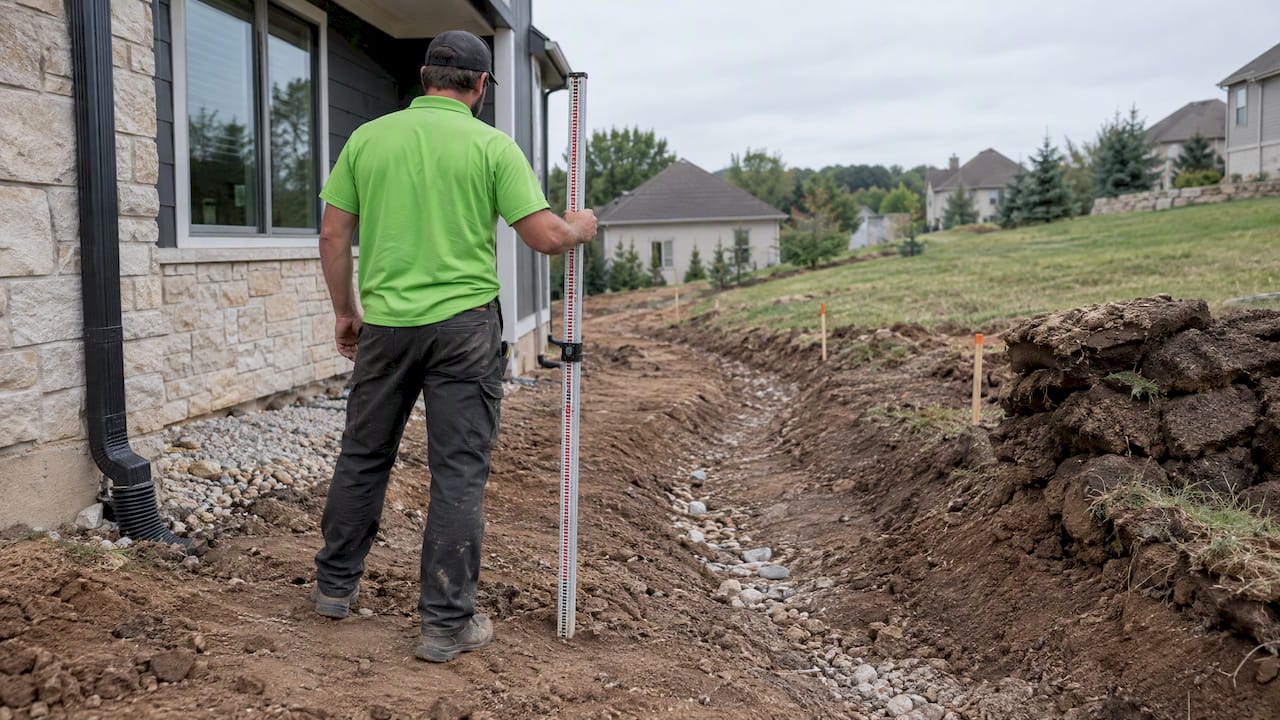
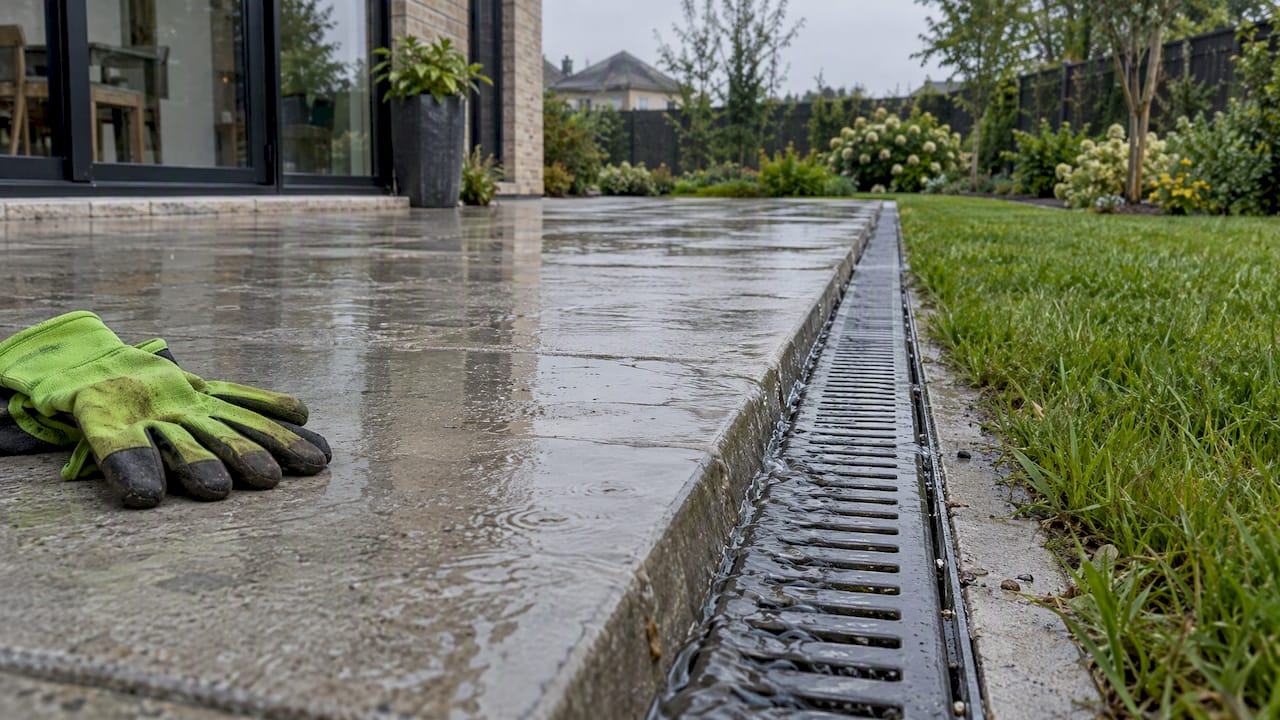
Phase 1: Groundwork and drainage — grading, drainage solutions, and soil prep, typically the first project on the calendar.
Phase 2: Surfacing and play kit — safety surfacing, swing sets, sandboxes, and similar features, usually a shorter follow-up phase.
Phase 3: Hardscape and shared spaces — patios, fire features, seating walls; often scheduled for the following season depending on budget.
Maintenance rhythm: check surfacing depth quarterly, inspect equipment hardware annually, trim trees and shade structures each season, and build a five-minute end-of-day toy pickup habit into your family routine.
Your Planning Checklist Before You Break Ground
Bring in a professional when a project involves structural grading, code-required barriers like pool fencing, or permanent utility work. Small, reversible features (a movable sandbox, container plants, a fold-flat splash pad) are reasonable DIY territory.
Planning checklist:
- Measure your yard and map existing sightlines from the house
- Test how water drains after a hard rain
- Choose your surfacing before you choose equipment
- Set a phased budget and rough timeline
Questions to ask a contractor:
- What playground surfacing have you installed, and to what depth?
- How do you handle drainage on sloped or low-lying yards?
- Do you pull permits for retaining walls, fencing, or grading changes?
Bringing in a landscape designer early, according to drainage planning guidance, helps document hazards and avoid expensive mid-project surprises.
A Landscaping Pro’s Take on Family Yards
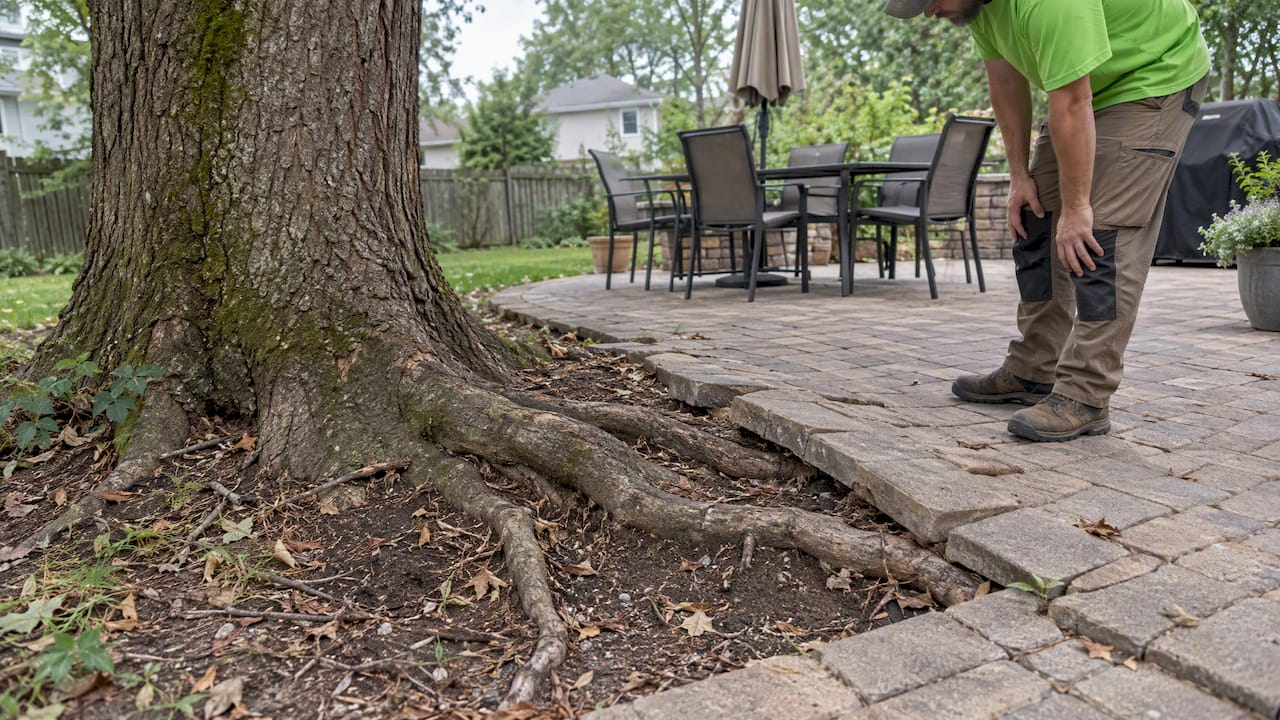
Durability and flexibility beat trendy single-use structures every time. If you’re installing heavy pavers near a play area, solve drainage first. Pro Tip: Water pooling under a patio base today becomes a cracked, uneven surface within a year or two.
Let Precision Outdoor Solutions Handle the Heavy Lifting
You don’t have to guess at drainage slopes or surfacing depths on your own. Precision Outdoor Solutions offers a site visit that turns your zoning plan into a real, buildable sequence, phased to fit your budget instead of forcing everything into one expensive season.

A consult with our team typically covers:
- A full site evaluation, including drainage and grading
- A hazard checklist specific to your yard’s layout
- A phased estimate broken into logical project stages
- Guidance on permits for fencing, retaining walls, or structural work
If you’re picturing a patio that faces the play area, a retaining wall that finally solves a soggy corner, or a full backyard redesign built around your kids, our landscape design process starts with listening to how your family actually uses the yard. Reach out through our services page to schedule a site visit and get a phased plan built around your budget and your kids’ ages.
Sources
- Public Playground Safety Handbook — U.S. Consumer Product Safety Commission (CPSC)
- Family garden ideas — Gardens Illustrated
- Yard drainage and planning — MyRainplan blog
- Building the ultimate backyard — Hardscape Magazine
Recommended
- Create An Outdoor Living Space You Will Actually Use – Precision Outdoor Solutions
- Backyard Patio Ideas: How To Transform Your Backyard In Wentzville, MO – Precision Outdoor Solutions
- Project Gallery | Landscaping, Patios & Retaining Walls In Wentzville, MO
- Landscaping, Patios, Retaining Walls & Fencing | Wentzville, MO