Start with inspection, clear winter debris, clean gutters, prune dead growth, pull a soil test, and hold off on pre-emergent until soil hits 50 to 55 degrees for five straight days. Mow at 3 to 4 inches, aerate or overseed thin patches without specifying quantities, then mulch. In Missouri, that timing window generally occurs in early spring, varying by location, depending on where you live.
TL;DR:
- Applying pre-emergent herbicide should only happen after soil hits 50 to 55 degrees Fahrenheit for five consecutive days, typically in late March or April.
- Soil temperature is the critical factor for timing, so homeowners should use actual readings rather than relying on calendar dates or bloom timings.
- Rushing early herbicide, fertilization, or seeding risks wasting resources and missing targeted weed control windows.
- Prioritize drainage inspections and fixing pooling issues, as these problems worsen over time and are less forgiving of delayed attention.
- Most tasks like pruning, mowing, and mulching are flexible, but chemical timing and drainage assessments require patience and precise timing.
Table of Contents
- Your Prioritized Spring Yard Cleanup Checklist
- How to Handle Each Part of Your Yard the Right Way
- Missouri Soil Temperature Rules That Actually Matter
- Tools, Safety Gear, and What to Budget
- A Phased Spring Schedule for Missouri Yards
- When Missouri Homeowners Should Call a Pro
- What Most Spring Checklists Get Wrong
- Let Precision Outdoor Solutions Handle the Parts That Don’t Forgive Mistakes
- Where This Checklist Gets Its Timing
- Sources
Your Prioritized Spring Yard Cleanup Checklist
Work through these steps in order. Some are date sensitive, so don’t skip ahead just because the weather feels warm early.
- Walk the yard first. Check for winter damage, low spots holding water, and any spots where fencing or hardscape shifted. This ten-minute walk tells you what the rest of your weekend looks like.
- Clear winter debris. Rake up leaves, fallen sticks, and matted thatch before grass starts actively growing.
- Clean gutters and downspouts. Winter debris clogs drainage, and clogged downspouts dump water right where you don’t want it, next to your foundation or a garden bed.
- Prune dead wood. Cut back dead perennial stalks and any broken or dead branches on shrubs and trees.
- Pull a soil test. If you haven’t tested in five years, MU Extension recommends doing it now through the Soil and Plant Testing Laboratory, so your fertilizer decisions are based on facts, not guesswork.
- Time your pre-emergent. Wait until 1-inch soil temperatures hit 50 to 55 degrees for five consecutive days before applying.
- Mow and edge. Set your mower to 3 to 4 inches for cool-season grass and define bed edges cleanly.
- Aerate and overseed where needed. Thin or bare patches benefit from core aeration and early overseeding.
- Refresh mulch and weed beds. Pull winter weeds before they seed, then top off mulch.
- Check irrigation and drainage. Test sprinkler heads and look for spots where water pools longer than it should.
- Inspect for pests early. Look for mole activity, grub damage, or early fungal spots while they’re still manageable.
- Call in help for anything beyond a weekend project. Major grading, drainage repair, or large limb removal often needs a professional.
Pre-emergent timing, seeding, and early fertilizing are the tasks most likely to backfire if you rush them. Everything else on this list is forgiving. Those three are not.
How to Handle Each Part of Your Yard the Right Way
Your lawn, garden beds, shrubs, and hardscape each need a slightly different approach this time of year.
Lawn care basics:
- Start mowing once grass is actively growing, typically by late March or early April in most of Missouri.
- Keep blade height at 3 to 4 inches, and never remove more than a third of the blade length in a single cut.
- Leave clippings on the lawn when they’re short; they break down and return nutrients to the soil.
- Dethatch only if you see a thatch layer thicker than half an inch. Otherwise, aeration alone does the job.
- Rent a core aerator or slit seeder from a local equipment rental yard if you’re overseeding more than a few bare patches.
Garden beds:
- Pull out winter debris and dead annuals by hand rather than tilling them under.
- Weed now, before seed heads form. It’s far easier than fighting an established patch in June.
- Refresh mulch to about 2 inches. Any deeper and you risk suffocating root systems.
- Define borders with a flat spade or edger for a cleaner line between lawn and bed.
- Toss healthy plant debris into a compost pile instead of the trash. It builds soil structure for next season.
Shrubs and trees:
- Prune dead wood any time, but wait to prune spring-flowering shrubs like lilac and forsythia until right after they bloom.
- Cut at a slight angle just above a healthy bud, and always use clean, sharp tools.
- Call an arborist for anything requiring a ladder above eight feet or removal of large limbs near power lines.
Pro Tip: Skip the power washer on natural stone patios unless you know the sealant status. High pressure can strip sealant and open the surface to staining.
Hardscape and irrigation:
- Wipe down and inspect patio furniture for winter rust or mildew.
- Check irrigation heads for cracks and confirm even coverage before the heat arrives.
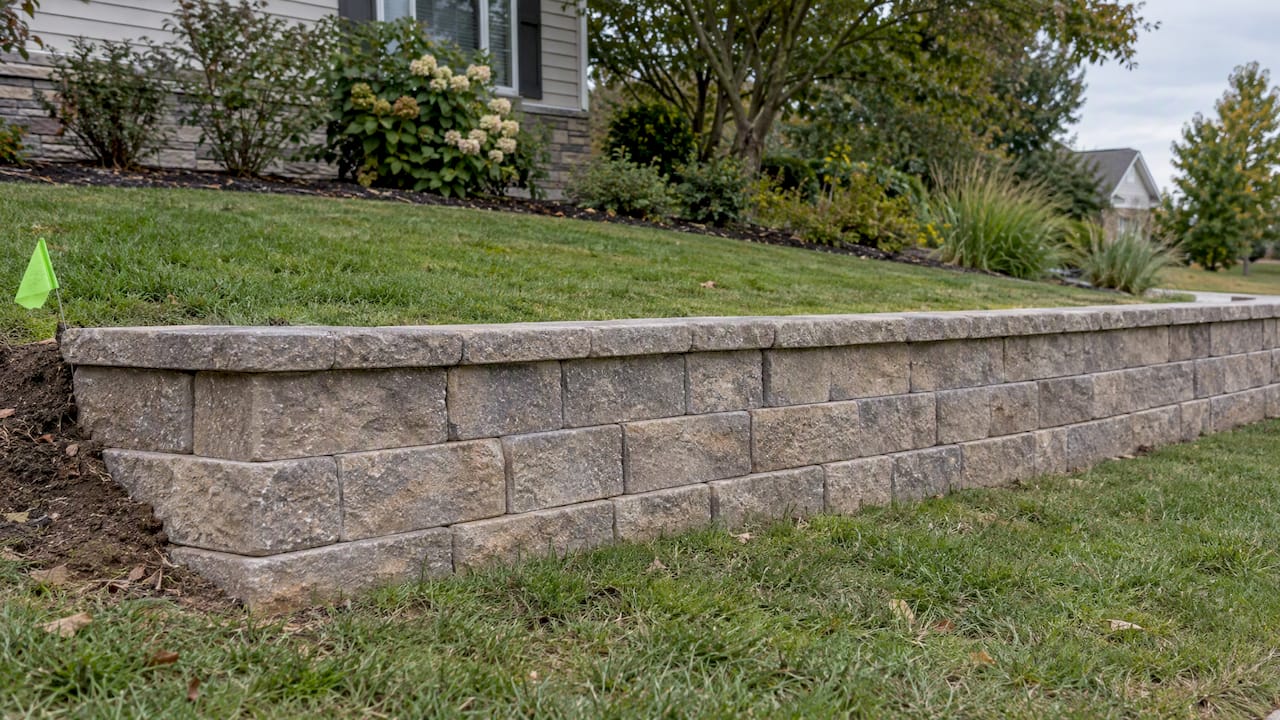
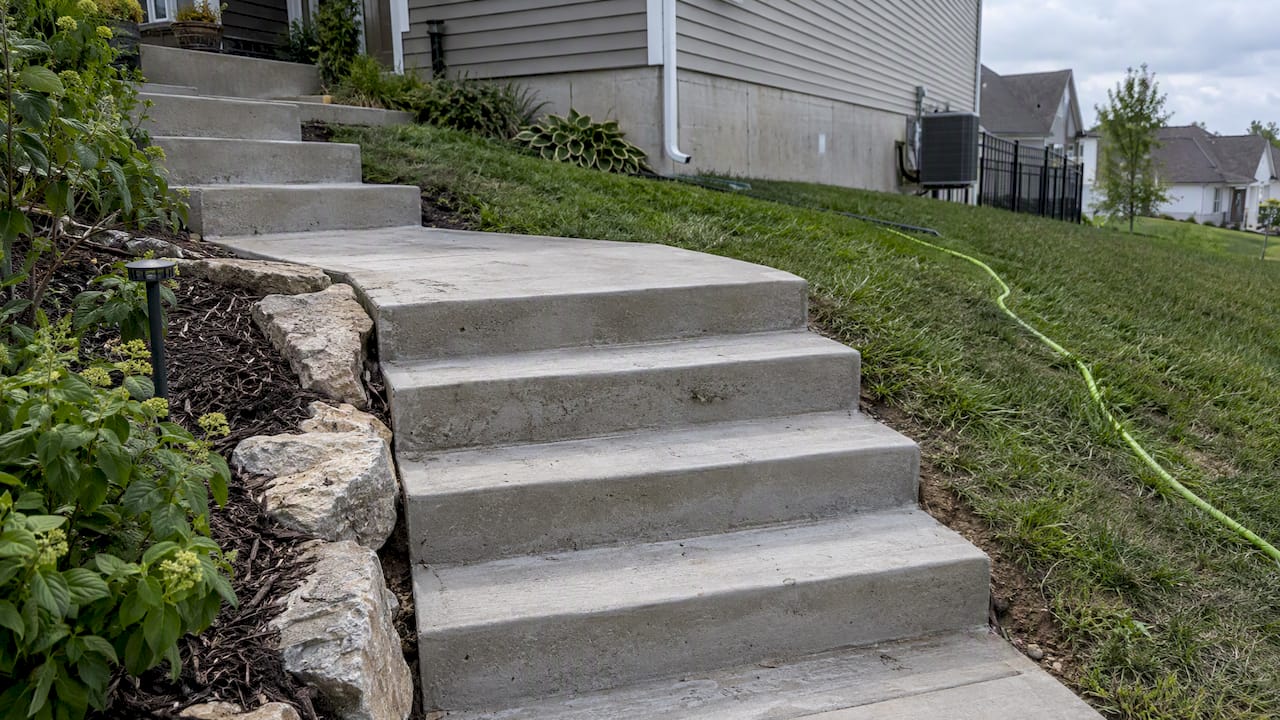
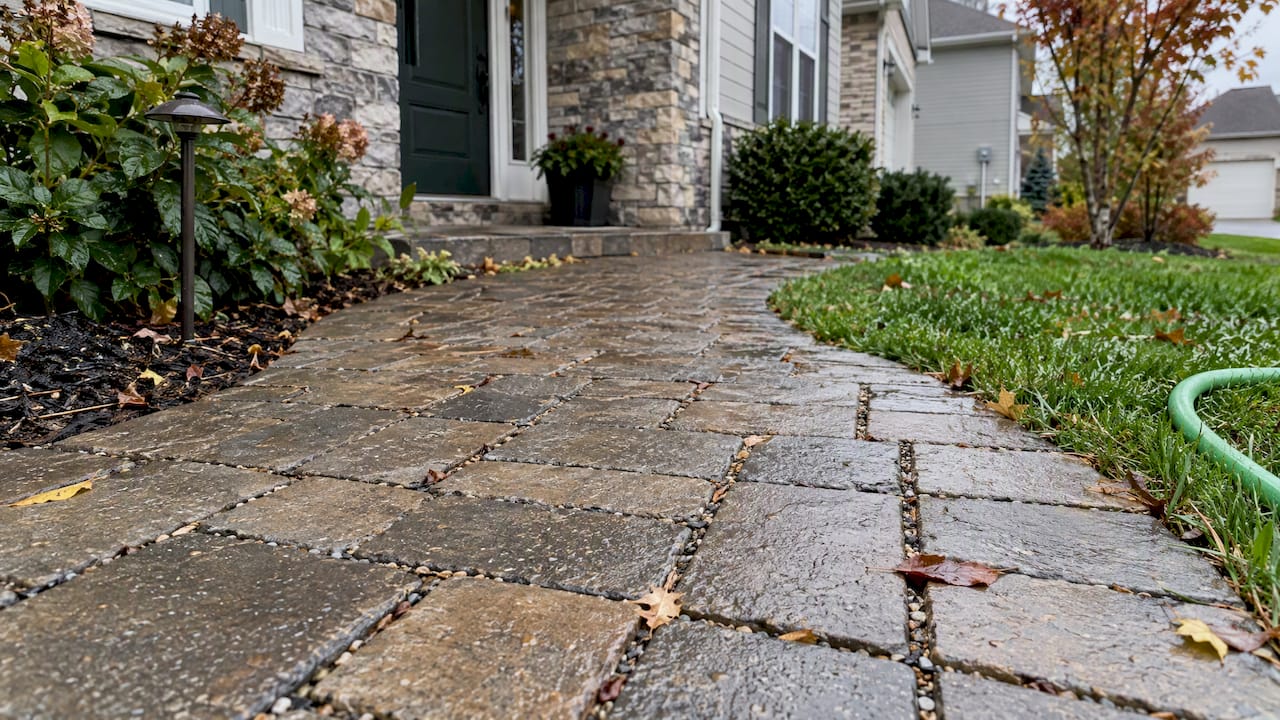
- Look for cracked pavers, heaving walkways, or standing water near retaining walls, all signs drainage needs attention.
Missouri Soil Temperature Rules That Actually Matter
Here’s the number that determines your entire spring schedule: soil temperature at a 1-inch depth needs to hit 50 to 55 degrees Fahrenheit for five consecutive days before pre-emergent herbicide will work as intended, according to MU Extension. Crabgrass typically germinates once soil warms to around 60 degrees, so applying too late means the herbicide misses the window entirely.
That target window usually falls in late March through the end of April for central and southern Missouri. If you’re farther north, in areas like Troy, expect the window to shift one to two weeks later. Skip guessing based on forsythia blooms or calendar dates alone. Check the Missouri Mesonet or your local extension office for actual soil readings.
Once applied, pre-emergent needs to be watered in with a light amount of irrigation or rainfall within a day or two, or it won’t bind into the soil properly. Avoid combination fertilizer-and-pre-emergent products this early. For cool-season lawns, delay your first nitrogen application until May to build root depth instead of pushing top growth too fast.
Tools, Safety Gear, and What to Budget
A basic cleanup needs a rake, leaf blower, tuned-up mower, bypass pruners, loppers, a wheelbarrow, a hand trowel, and a broadcast spreader. For bigger jobs, rent a core aerator, slit seeder, or power rake from an equipment yard rather than buying gear you’ll use once a year.
- Wear gloves and eye protection when pruning or spreading granular products.
- Use ladder stabilizers for any pruning above shoulder height.
- Read herbicide and fertilizer labels fully, and store them out of reach of kids and pets.
Plan on a full weekend, roughly 8 to 12 hours, for an average suburban lot if you’re doing debris removal, mowing, bed refresh, and a pre-emergent application yourself. Equipment rentals for aeration typically run for a half-day or full-day block. If the list above starts looking like more than one weekend can hold, that’s a signal to call in help rather than rush the timing-sensitive steps.
A Phased Spring Schedule for Missouri Yards
Breaking the checklist into three phases keeps you from doing date-sensitive work too early or too late.
- Late March to early April: Walk the yard, clear debris, start mowing once growth resumes, and check soil moisture before running any irrigation. If you have small bare patches, overseed them now while cooler temperatures still favor seed germination.
- Mid to late April: Apply pre-emergent once your soil-temperature cue is met, and do light aeration on compacted areas. Hold off on broadleaf herbicides anywhere you’ve just seeded, since most products will kill new grass along with the weeds.
- May: Apply your first slow-release fertilizer if you’re using one this season, keep mowing at 3 to 4 inches, and start watching for early signs of grub damage or fungal disease as temperatures climb. Finish any remaining pruning on non-flowering shrubs.
When Missouri Homeowners Should Call a Pro
Some spring problems go past what a rake and a weekend can fix. Standing water that doesn’t drain within a day, visible grading problems, large limb removal near structures, or drainage issues around a foundation all point toward professional work rather than DIY cleanup. If you’re seeing repeated puddling in the same spot every spring, that’s usually a sign your yard needs a drainage fix, not just better mulch.

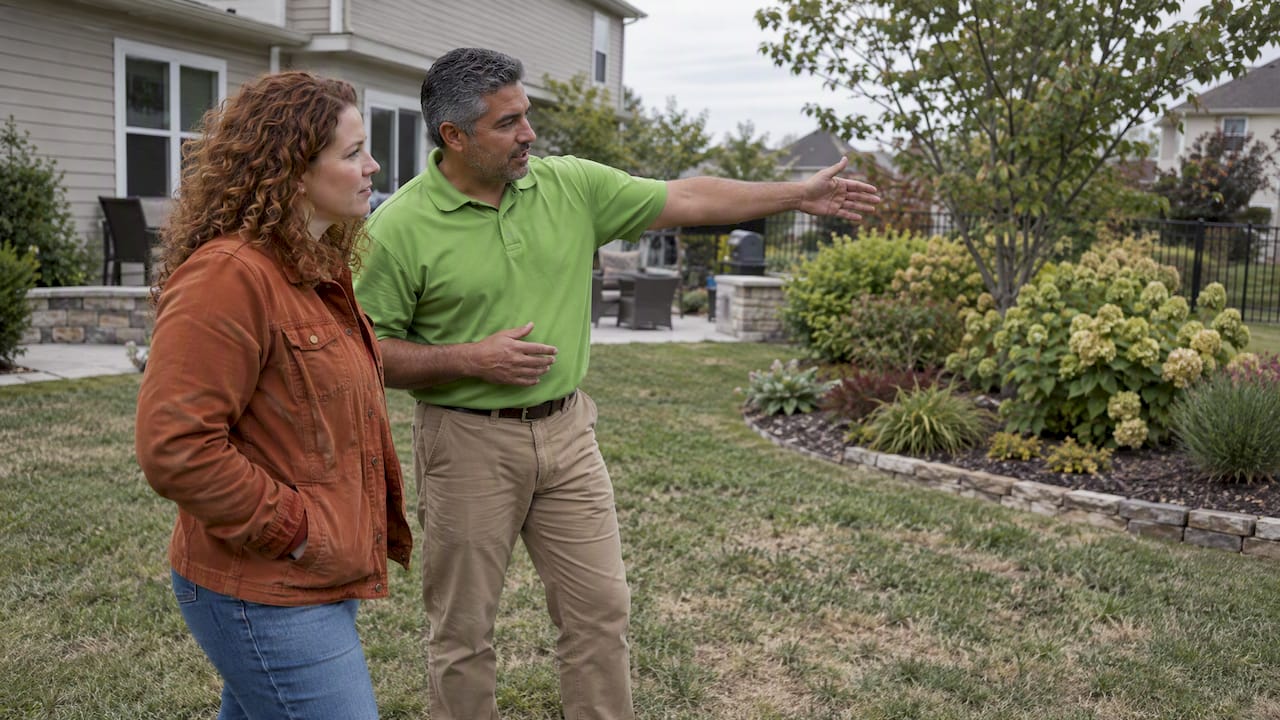
A real consultation should include a site visit, a written estimate, and a realistic timeline, not a guess over the phone. Precision Outdoor Solutions has spent over 25 years working on drainage and hardscape durability across Wentzville and St. Charles County, and that hands-on experience is what tells the difference between a yard that needs raking and one that needs regrading.
What Most Spring Checklists Get Wrong
Most spring yard advice treats every task as equally urgent, and that’s the biggest mistake homeowners make. It isn’t. Raking leaves on the wrong weekend costs you nothing. Applying pre-emergent two weeks too early, before soil temperature actually holds at that 50 to 55 degree window, wastes the product entirely and leaves your lawn exposed to crabgrass anyway.

The conventional wisdom leans too hard on calendar dates and forsythia blooms as timing cues. Missouri springs swing wildly, and a warm week in early March doesn’t mean the soil has caught up. Checking actual soil temperature takes five minutes and saves you from redoing a step in June.
If you prioritize one thing this spring, make it patience on the chemical timing and urgency on the drainage inspection. Herbicides and fertilizer forgive a late application far more than they forgive an early one, while a drainage problem left unchecked through spring rains only gets more expensive to fix. Everything else on the checklist, mowing, mulching, pruning, bends to your schedule. Those two don’t.
— Mario
Let Precision Outdoor Solutions Handle the Parts That Don’t Forgive Mistakes
Precision Outdoor Solutions gives Wentzville and St. Charles County homeowners a local alternative to guessing at soil temperatures or renting equipment for a job they’ll do once a year: a crew that already knows exactly when your specific yard hits its pre-emergent window.

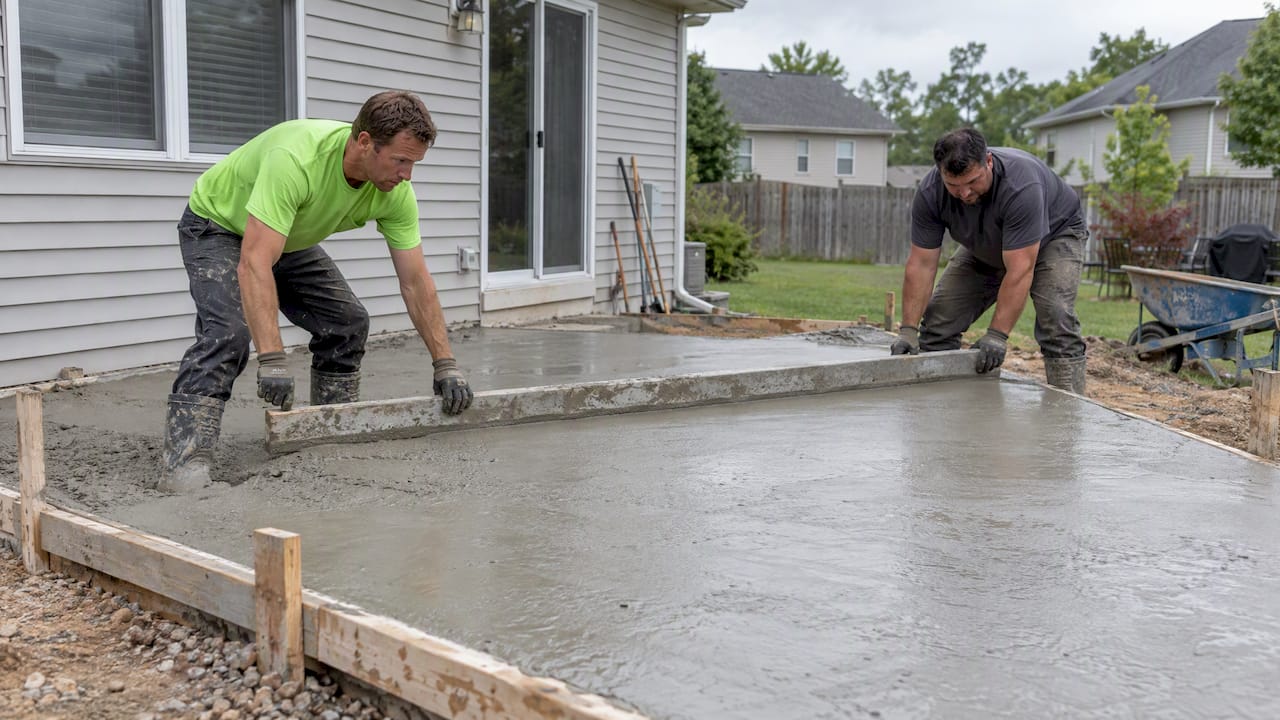
Our seasonal cleanup service covers debris removal, aeration and overseeding, drainage correction, and hardscape prep and repairs, the same steps in this checklist, done right the first time. A typical consultation starts with a site visit, a look at your drainage and soil conditions, and a written estimate before any work begins. If your yard has a recurring wet spot or a patio that’s starting to heave, that’s worth flagging during the visit rather than working around it every spring.
Ready to see what your yard needs this season? Request a free estimate and get a plan built around your property, not a generic calendar.
Where This Checklist Gets Its Timing
The soil-temperature rules and mowing guidance above come from MU Extension’s pre-emergent timing guide, the Master Gardener turf establishment publication, and supplemental regional planting guidance for bed and irrigation prep.
Sources
- Now is the time to apply spring preemergent herbicides on lawns | MU Extension
- Mowing guidance for cool-season grasses | MU Extension (g6705)
- Patience is the lawn owner’s friend in March | MU Extension
Recommended
- Signs You Need A Drainage Solution For Your Yard In Wentzville, MO – Precision Outdoor Solutions
- Landscaping Ideas To Boost Curb Appeal In Wentzville, MO – Precision Outdoor Solutions
- Articles – Precision Outdoor Solutions
- Backyard Patio Ideas: How To Transform Your Backyard In Wentzville, MO – Precision Outdoor Solutions