Start by choosing a pit type that matches how you’ll use the space: gas for low-maintenance evenings, wood for real ambiance and campfire smell. Then take three quick steps before you buy a single paver.
- Check your local clearance and permit rules first, since they decide where the patio can even go.
- Pick a material suited to your climate (Corten steel for dry regions, stainless or GFRC for humid ones).
- Sketch seating and walking paths around the pit before you commit to a patio shape.
Key Takeaways
Matching fire pit type and material to your climate, then confirming clearances before you build, prevents most of the costly mistakes homeowners make on this project.
| Point | Details |
|---|---|
| Choose fuel type first | Gas suits low-maintenance use and burn-ban areas; wood suits ambiance but needs closer code attention. |
| Confirm clearances early | Check local and HOA rules before design, since permit triggers vary by installation type. |
| Buffer the pit properly | Extend a noncombustible base at least 3 feet beyond the pit edge for ember and drainage protection. |
| Plan seating distance | Keep seating 6 to 8 feet from the pit center and leave a 3 foot walking lane beyond that. |
| Hire for drainage-sensitive lots | Precision Outdoor Solutions handles grading, permits, and material selection for sloped or problem-drainage yards. |
Table of Contents
- Fire Pit Patio Design Ideas by Backyard Style
- Gas or Wood: Which Fire Pit Type Fits Your Patio?
- How Far Should a Fire Pit Be From My House?
- How Big Should a Fire Pit Patio Be?
- DIY Fire Pit Build: Steps and Tools
- What Goes at the Bottom of a Fire Pit?
- What Do Landscape Contractors Recommend for Fire Pit Placement?
- Copyable Fire Pit Patio Combos to Try
- Why Local Experience Changes Fire Pit Patio Advice
- How Precision Outdoor Solutions Helps You Build the Right Fire Pit Patio
- Sources
Fire Pit Patio Design Ideas by Backyard Style
Not every yard wants the same look, and matching style to space saves you from redoing work later. A stacked-stone ring with a bluestone patio suits a rustic backyard with mature trees and a wood-fence backdrop. Modern minimal setups swap that for a square or linear concrete pit, honed pavers, and low-slung furniture, best on a clean, open lot with little landscaping competing for attention.
Mixed-material seat-wall designs, where a curved concrete bench wraps two-thirds of the pit, work well on larger patios that double as party space. Boho and low-seating arrangements, think floor cushions and a low copper bowl, fit smaller patios or sloped lots where a full seat wall won’t sit level. Poolside fire tables, usually gas and glass-topped, pair naturally with pool decks since they skip the ash and smoke that clash with swimming.

Designers at Yardzen frequently combine seating, uplighting, and layered planting so the fire pit reads as a year-round feature rather than a summer-only prop. Houzz’s fire pit galleries show the same handful of shapes repeating: circular masonry rings, rectangular built-ins, and freestanding bowls on gravel.
Gas or Wood: Which Fire Pit Type Fits Your Patio?
Gas fire pits light instantly, produce no ash, and sidestep most burn bans, which matters if you live somewhere summer burn restrictions hit every year. Wood-burning pits cost less upfront and give you that crackling, smoky ambiance gas can’t fake, but they demand more cleanup and closer attention to local fire codes.
Built-in masonry pits look more permanent and often raise property value, but they’re harder to move and more likely to trigger a permit review. Freestanding metal bowls and tables install in an afternoon and travel with you if you move, with far less permitting friction.
Material choice shapes both looks and upkeep:
- Natural stone and GFRC concrete resist heat well and need little maintenance beyond occasional sealing.
- Stainless steel stays low-maintenance in humid climates and resists rust better than plain steel.
- Corten steel develops a rust-like patina that looks great in dry climates but can streak in wet ones.
- Hammered copper patinas beautifully over time, though it’s a softer, pricier option.
- Powder-coated steel offers budget-friendly color options but chips if handled roughly.
A material guide from Fire Goddess breaks these trade-offs down by climate in more depth if you’re torn between two finishes.
How Far Should a Fire Pit Be From My House?
Distance rules exist for a real reason: embers travel, and heat radiates further than most homeowners expect. Model fire codes commonly set a 50 foot distance for open burning, though approved containers and manufactured pits usually qualify for much smaller clearances, sometimes under 15 feet from a structure depending on your jurisdiction, per ICC sample code language. Many areas also cap recreational, unpermitted fires at under 3 feet in diameter and 2 feet tall under NFPA 1 style rules.
Permanent, gas-line-connected installations almost always require a permit; small, portable recreational pits usually don’t. Check your city, county, and HOA separately, since all three can apply different rules to the same backyard.
The National Fire Protection Association recommends clearing dry leaves and overhanging branches around any wood-burning pit and skipping wood fires entirely during seasonal burn bans.
Pro Tip: Position the pit where you can see it from your kitchen or living room window. A contractor’s rule of thumb is “if you can’t glance at it while doing dishes, you’re not really monitoring it,” and wind direction should always point embers away from seating, not toward it.

How Big Should a Fire Pit Patio Be?
Give people at least 3 feet of noncombustible surface beyond the pit’s edge before any seating or wood decking begins, a buffer contractors consistently recommend for ember protection and drainage. Seating itself typically sits 6 to 8 feet from the pit’s center, close enough for warmth without scorched knees.
For a circular layout, plan a patio size that allows comfortable seating around a 4-foot fire pit for four to six people, providing enough space for movement and safety. Rectangular patios need extra width for circulation. Budget at least 3 feet of clear walking space behind every chair.
- Draw a circle for the pit, then a second ring 3 feet out for the noncombustible base.
- Add a seating ring 6 to 8 feet from center.
- Leave a 3 foot walking lane outside the seating ring.
- Total footprint: expect 300 to 400 square feet for a comfortable six-person layout.
DIY Fire Pit Build: Steps and Tools
A confident DIYer can build a basic in-ground or gravel-based pit in a weekend, following the same sequence most step-by-step guides walk through.
- Outline the pit and patio footprint with stakes and string.
- Excavate 6 to 8 inches and compact a gravel or paver base.
- Line the interior with fire brick if building a wood-burning pit.
- Stack or assemble the pit walls, checking level every course.
- Add the patio surface around it, then test-burn a small fire before inviting guests.
Tools and materials worth having on hand: a plate compactor, crushed gravel, paver base, fire brick, landscape fabric, and a masonry level.
Common mistakes include skipping drainage slope, using regular brick instead of fire brick (it cracks under heat), and ignoring clearance rules until after the patio’s poured.
What Goes at the Bottom of a Fire Pit?
Line the base with lava rock, sand, or coarse gravel to help drainage and protect the pit floor from heat stress. Wood-burning pits need fire-rated brick lining, since standard masonry can crack under repeated hot burns; stone veneer over a metal frame works fine for gas features but that same mortar tends to fail faster under a wood fire’s heat cycling.
Fire pits can sit on pavers, but only over a compacted gravel base, never directly on a wood deck or unprotected concrete slab that can crack or scorch.
- Wood fires: seasoned hardwood burns cleaner and produces fewer sparks than green wood.
- Gas fires: propane and natural gas skip burn bans entirely in most jurisdictions.
- Ethanol: low mess, but limited heat output for larger patios.
Maintenance basics: remove ash after every few burns, check the spark screen for tears, inspect gas valves each spring, and cover metal pits before winter to slow rust.
What Do Landscape Contractors Recommend for Fire Pit Placement?
Contractors treat the fire pit as an anchor, not a standalone feature, tying it into circulation, seating, and drainage from the start rather than dropping it in after the patio’s finished, according to Outdoor Fire Pits: What to Know Before You Build.
- Choose gas with trenched lines if you want zero cleanup and don’t mind the upfront electrical or gas work.
- Choose a freestanding wood bowl if budget and flexibility matter more than convenience.
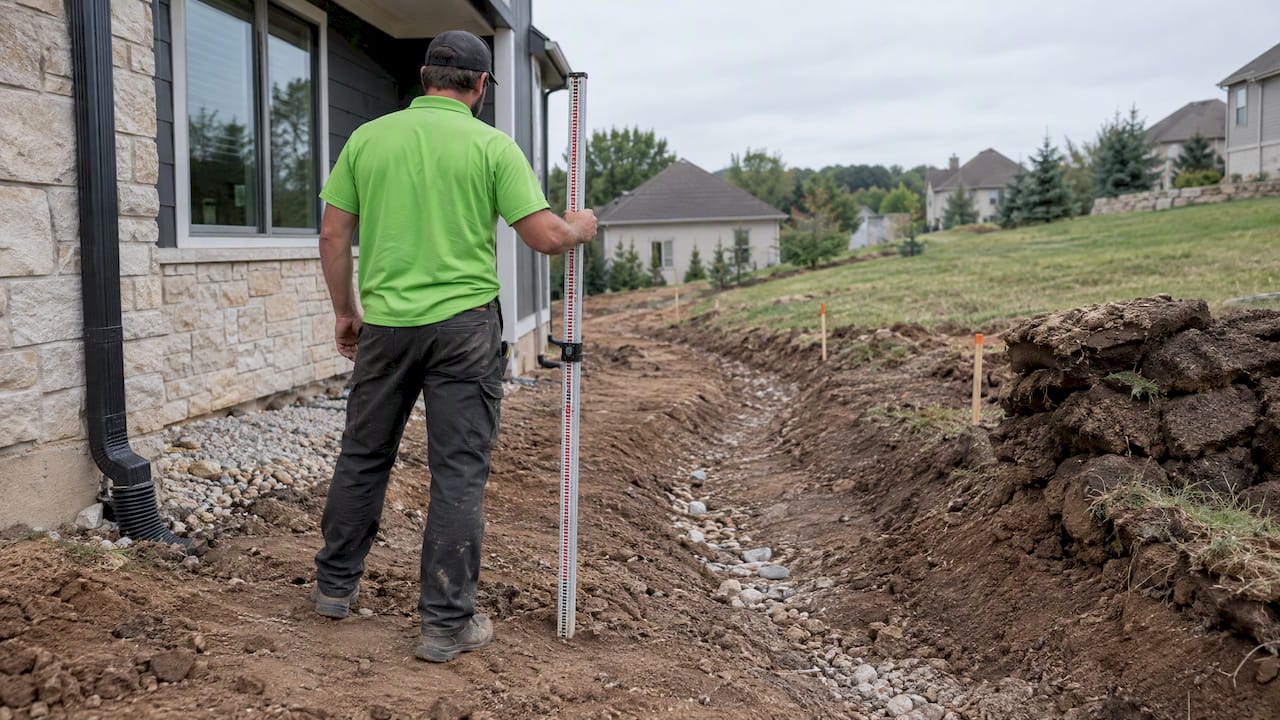
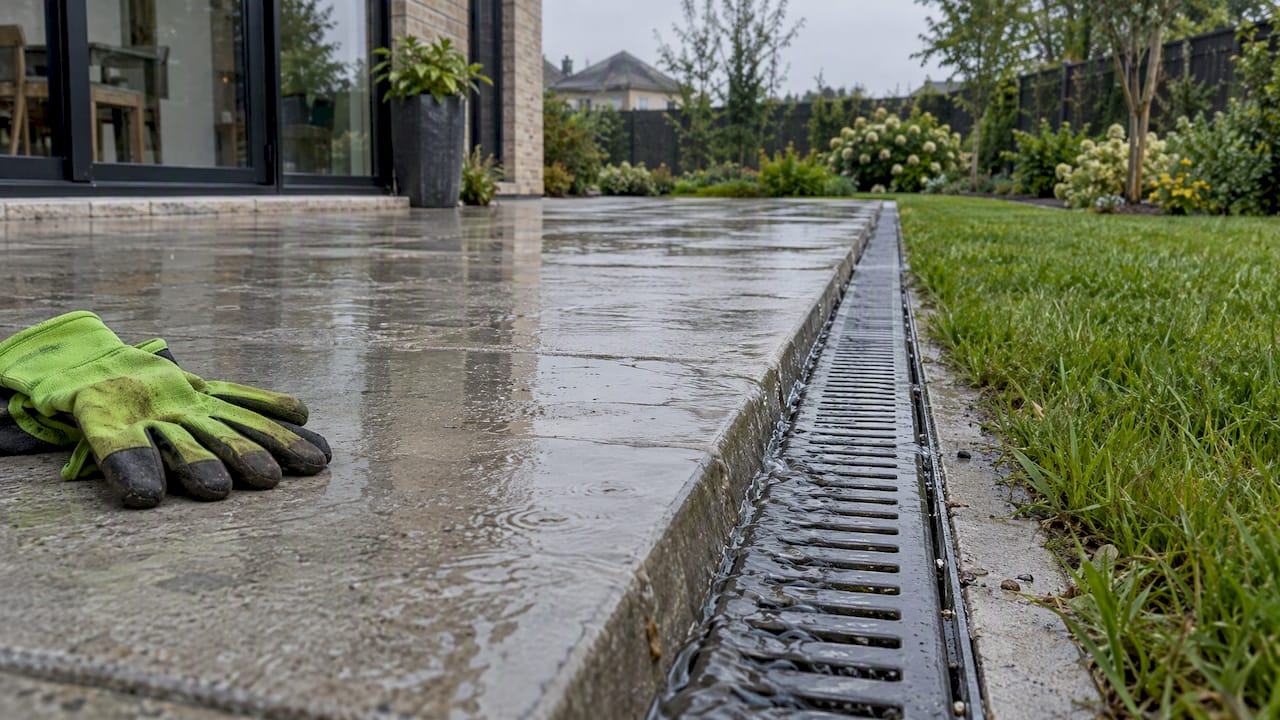
- Grade low spots away from the pit base to avoid standing water and frost heave under pavers.
- Expect a basic freestanding setup to run a few thousand dollars, while a full built-in patio with seating and lighting climbs well beyond that.
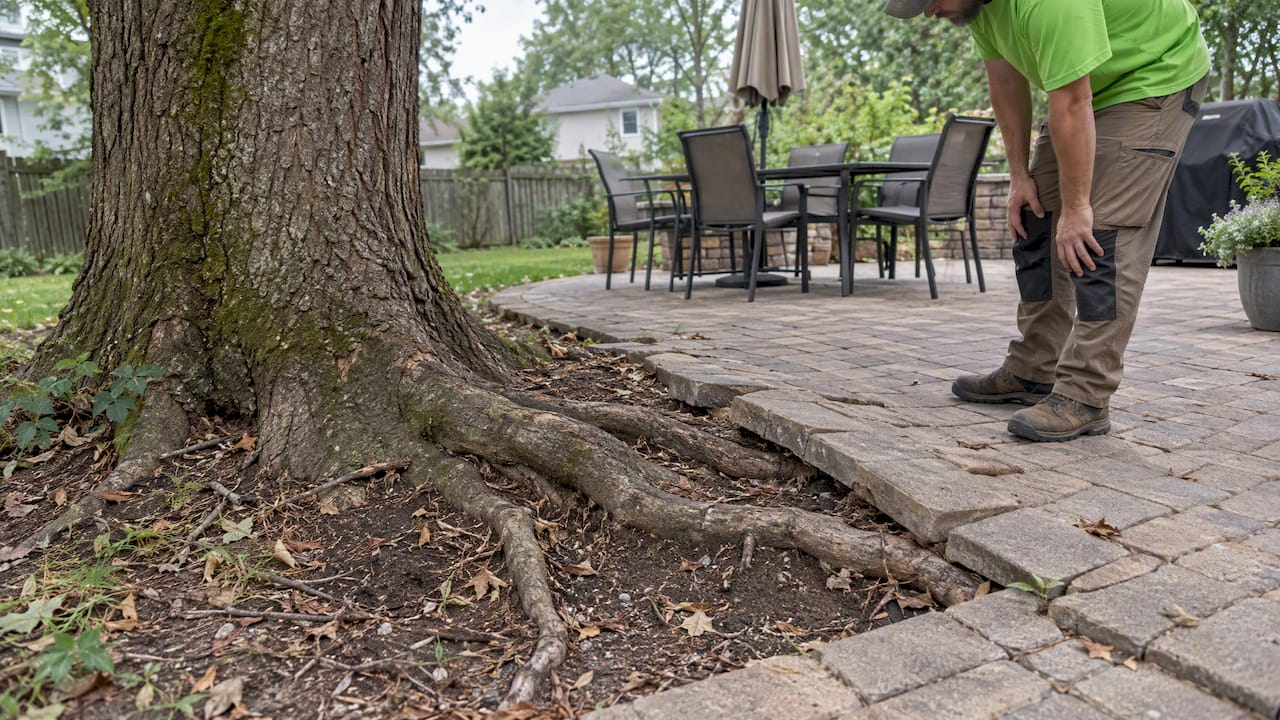
Pro Tip: If your yard has any slope or drainage complaints already, that’s the signal to call in a contractor. Cracked mortar and shifting pavers almost always trace back to skipped grading work, not bad materials.
Copyable Fire Pit Patio Combos to Try
Each of these pairs a pit, patio material, seating style, and one finishing touch you can screenshot for a design brief, drawn from patterns that repeat across Pinterest’s fire pit boards and professional galleries.
- Corten ring, bluestone circular patio, curved seat wall, uplighting. Best for dry climates and rustic yards.
- Stainless bowl, concrete pavers, Adirondack chairs, string lights. Suits humid regions and casual backyards.
- Built-in masonry square, travertine patio, built-in bench, tiki torches. Fits Mediterranean-style landscaping.
- Gas fire table, composite decking, sectional sofa, LED strip lighting. Ideal for poolside or small urban patios.
- Copper bowl, gravel patio, floor cushions, lanterns. Works well on sloped or boho-style lots.
Why Local Experience Changes Fire Pit Patio Advice
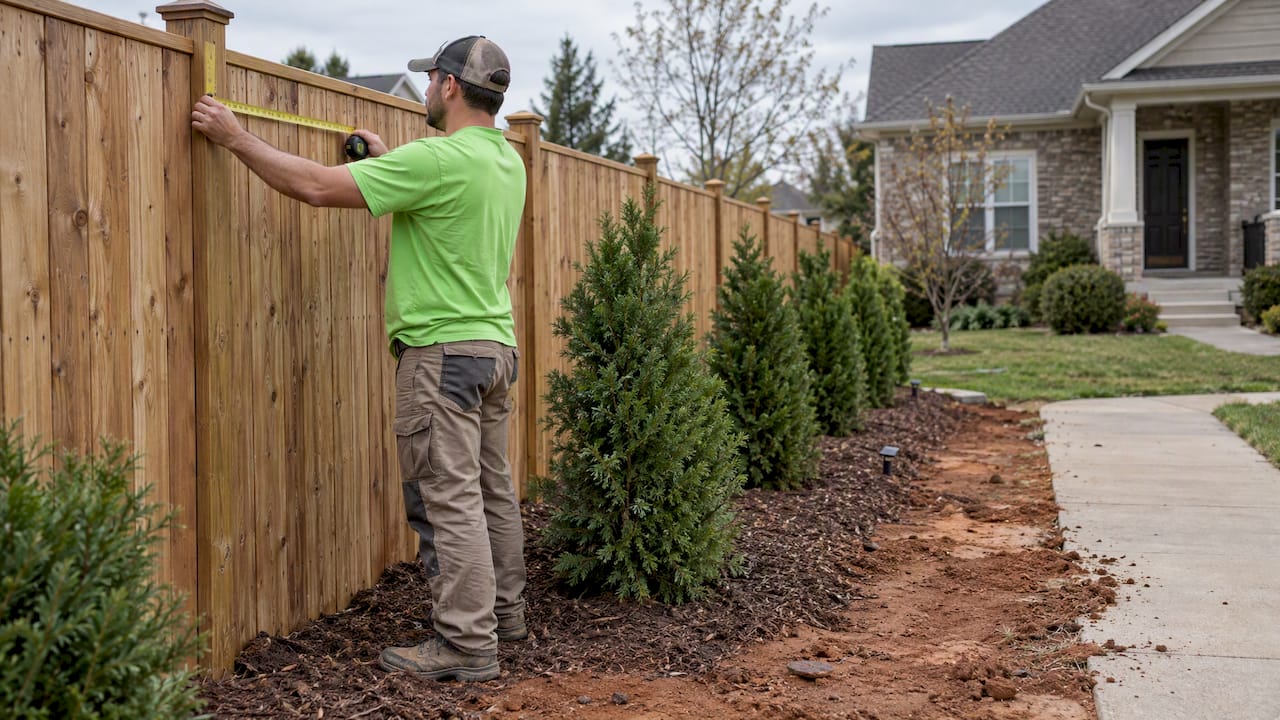
Most fire pit advice online skips the part that actually determines whether a patio lasts, which is drainage and grading specific to your soil and slope. Years of installing patios across St. Charles County has shown that the same design fails on one lot and thrives on another purely because of grading choices made before the first paver went down.
How Precision Outdoor Solutions Helps You Build the Right Fire Pit Patio
Skipping the permit research and drainage guesswork is the real advantage of hiring a pro instead of piecing together a fire pit patio from online tutorials alone. Precision Outdoor Solutions handles site evaluation, permit questions, material selection, and full hardscape installation, so the clearance math and grading work that trip up DIY projects get handled correctly the first time.

That matters most for St. Charles County homeowners dealing with sloped lots, drainage issues, or an HOA with its own clearance rules on top of local code. Instead of guessing at frost lines or mortar choices for a wood-burning pit, you get a design built around your yard’s actual soil and grading, backed by over 25 years of local installation experience.
If you’re ready to see what a fire pit patio could look like on your property, browse the project gallery for finished examples, or request a consultation through the landscape design page to start mapping out size, materials, and placement for your space.
Sources
- Wildfire Prevention Tips for Fire Pits and Outdoor Fires
- ICC sample (IFC/307-style) code excerpts
- Patio fire pit placement and safety distances
Recommended
- Backyard Patio Ideas: How To Transform Your Backyard In Wentzville, MO – Precision Outdoor Solutions
- Create An Outdoor Living Space You Will Actually Use – Precision Outdoor Solutions
- Hardscape & Patio Installation – Precision Outdoor Solutions
- Project Gallery | Landscaping, Patios & Retaining Walls In Wentzville, MO