Maintenance is the routine work of keeping something, whether it’s a furnace, a car, or a backyard patio, able to do what it’s supposed to do. Skip it, and small problems compound into expensive failures. Do it consistently, and you extend the life of what you own while avoiding the surprise repair bills that hit hardest at the worst possible time. The rest of this guide breaks down the types, the checklists, and how to decide what your situation actually needs.
TL;DR:
- Regular inspection of drainage systems and retaining walls prevents costly repairs by catching early signs of movement or pooling water before visible failure occurs.
- Critical assets like retaining walls or electrical systems should be maintained proactively with scheduled inspections rather than waiting for signs of damage.
- Hybrid maintenance strategies, combining preventive and predictive approaches, generally outperform a one-size-fits-all plan for most household and outdoor assets.
- Professional evaluations can identify issues such as drainage shifts or structural movement before they become expensive problems, unlike DIY checks which may miss early warning signs.
- Prioritizing maintenance based on asset importance, failure consequences, and monitoring feasibility improves overall efficiency and reduces unexpected breakdowns.
Table of Contents
- Defining Maintenance: Technical, Everyday, and Life-Cycle Meanings
- What Are the Main Types of Maintenance?
- Why Does Regular Maintenance Actually Matter?
- What Does Maintenance Look Like in Real Life?
- How Do You Choose the Right Maintenance Approach?
- What Outdoor Maintenance Pitfalls Do Homeowners Miss?
- A Practical Take on Maintenance That Actually Holds Up
- Keep Your Yard Ahead of Costly Repairs, Not Behind Them
- Sources
Defining Maintenance: Technical, Everyday, and Life-Cycle Meanings
Engineers and technicians use a specific definition: maintenance is the combination of technical, administrative, and managerial actions meant to retain or restore an item’s ability to perform its required function throughout its life cycle. That framing comes from standards literature reviewed in a maintenance and predictive maintenance study, and it matters because it treats maintenance as an ongoing system, not a one-time fix.
In everyday use, the word carries a simpler meaning: keeping something in good working condition. There’s also a financial sense (child support payments are called “maintenance” in some legal contexts), but that’s a different animal entirely from the physical upkeep this guide covers.
Three related terms get mixed up constantly:
- Maintenance is the ongoing work that prevents or delays failure.
- Repair is the fix you apply after something has already broken.
- MRO (Maintenance, Repair, and Operations) is the umbrella term businesses use for all the parts, labor, and supplies tied to keeping equipment and facilities running.
Knowing the difference helps you talk to contractors and vendors without confusion. When someone asks whether you want “maintenance” or “repair,” they’re asking whether you want to prevent a problem or fix one that’s already here.
What Are the Main Types of Maintenance?
Most maintenance falls into four categories, and picking the right one for the right asset is the whole game.

Preventive maintenance happens on a fixed schedule, regardless of current condition. Changing an HVAC filter every 90 days, aerating a lawn every fall, or resealing a wood fence every couple of years all count. You’re not waiting for a sign of trouble. You’re heading it off. PreventiveHQ’s guide on maintenance strategies notes that preventive programs typically cut failures by 30 to 50 percent compared with reactive approaches.
Predictive maintenance uses data, sensors, or inspection trends to catch problems before they cause a breakdown. Vibration sensors on industrial motors and tire-tread monitoring on fleet vehicles are common examples. It requires more upfront investment in monitoring tools, but it targets service to the moment it’s actually needed rather than a fixed calendar.
Corrective maintenance, sometimes called run-to-failure, means you fix things after they break. That sounds reckless, but it’s often the right call for low-cost, low-risk items where replacement is cheaper than monitoring, according to TWI’s comparison of maintenance types.
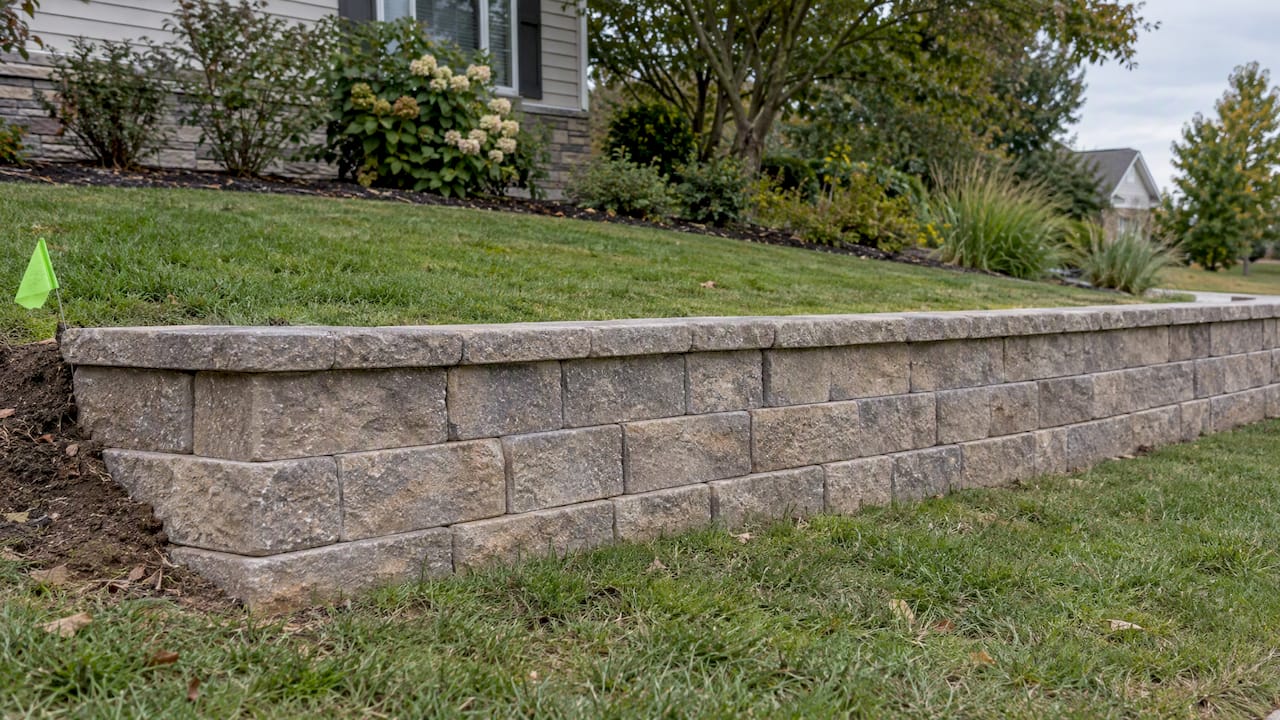
Condition-based maintenance sits between preventive and predictive. You inspect periodically and act only when a specific threshold is crossed, like replacing a retaining wall panel once you see actual bulging rather than on a fixed timetable.
Pro Tip: Don’t force every asset into one strategy. A hybrid approach, where critical systems get predictive attention and low-stakes items run to failure, usually beats a one-size-fits-all plan.
Why Does Regular Maintenance Actually Matter?
The case for maintenance isn’t just intuition. It shows up in the numbers.
Digital and predictive maintenance techniques can increase asset availability by roughly 5 to 15 percent and cut maintenance costs by about 18 to 25 percent, according to the PMC review of maintenance approaches. The same research notes that poorly chosen maintenance strategies can reduce production capacity by 5 to 20 percent, which is a wide swing driven almost entirely by whether upkeep gets done on time.
Well-run maintenance programs routinely outperform reactive ones on cost, uptime, and safety, but the gains depend on matching the strategy to the asset.
There’s a real trade-off here. Preventive and predictive programs cost money and time upfront. The payoff comes later, in avoided breakdowns, extended lifespan, and fewer emergency repair bills. For anything tied to structural safety, like retaining walls, decks, or electrical systems, that trade-off also carries a compliance and liability dimension you can’t ignore.
What Does Maintenance Look Like in Real Life?
Maintenance shows up everywhere, and the timing matters as much as the task itself. Here’s how a typical year breaks down for a homeowner, based on guidance from NAHB’s routine home maintenance checklist:
- Monthly: Check HVAC filters, test smoke and carbon monoxide detectors, and inspect visible plumbing for leaks.
- Seasonal: Clean gutters, inspect the roof after winter, service the irrigation system before summer, and winterize outdoor faucets before the first freeze.
- Annual: Have the furnace and water heater serviced, inspect the foundation for cracks, and check dryer vents for lint buildup.
Vehicles and small businesses follow the same logic with different vocabulary. Oil changes and brake inspections are preventive maintenance for a car. A retail business swapping HVAC filters on a schedule or a restaurant servicing its walk-in cooler before peak season is doing the exact same thing under a different name.
Outdoor spaces need their own rhythm:
- Inspect retaining walls each spring for bulging, leaning, or drainage gaps behind the wall face.
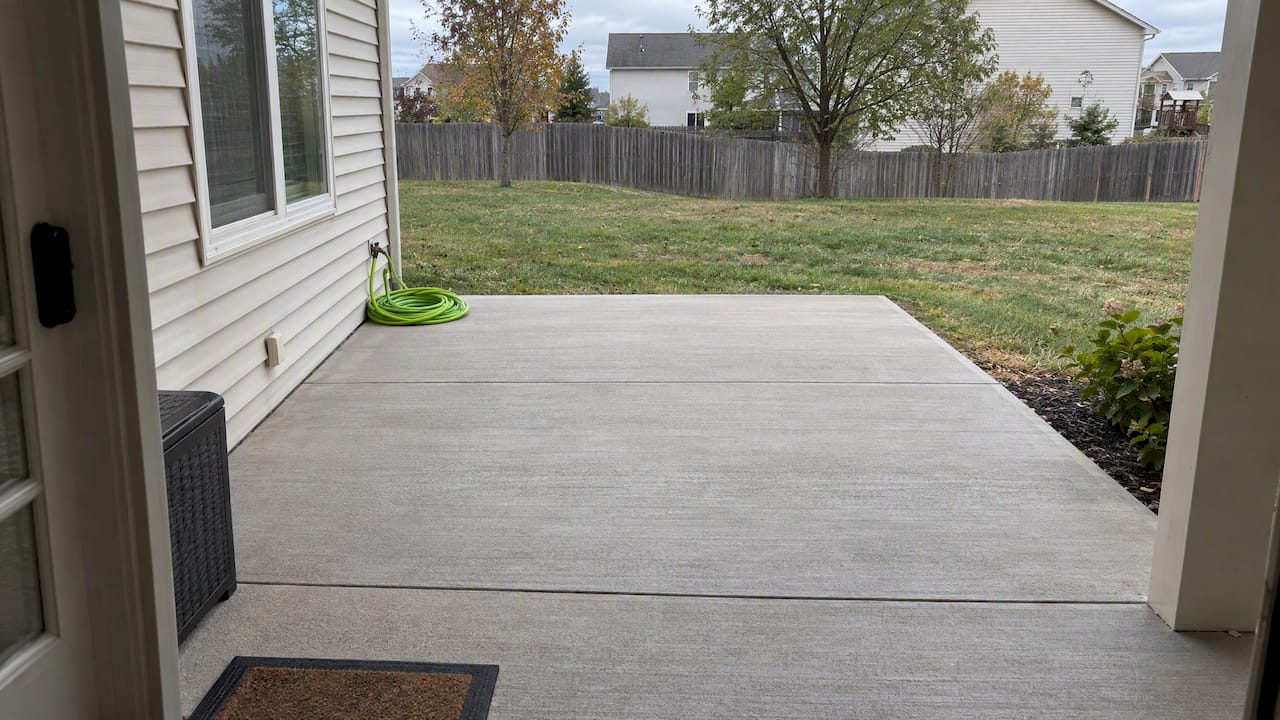
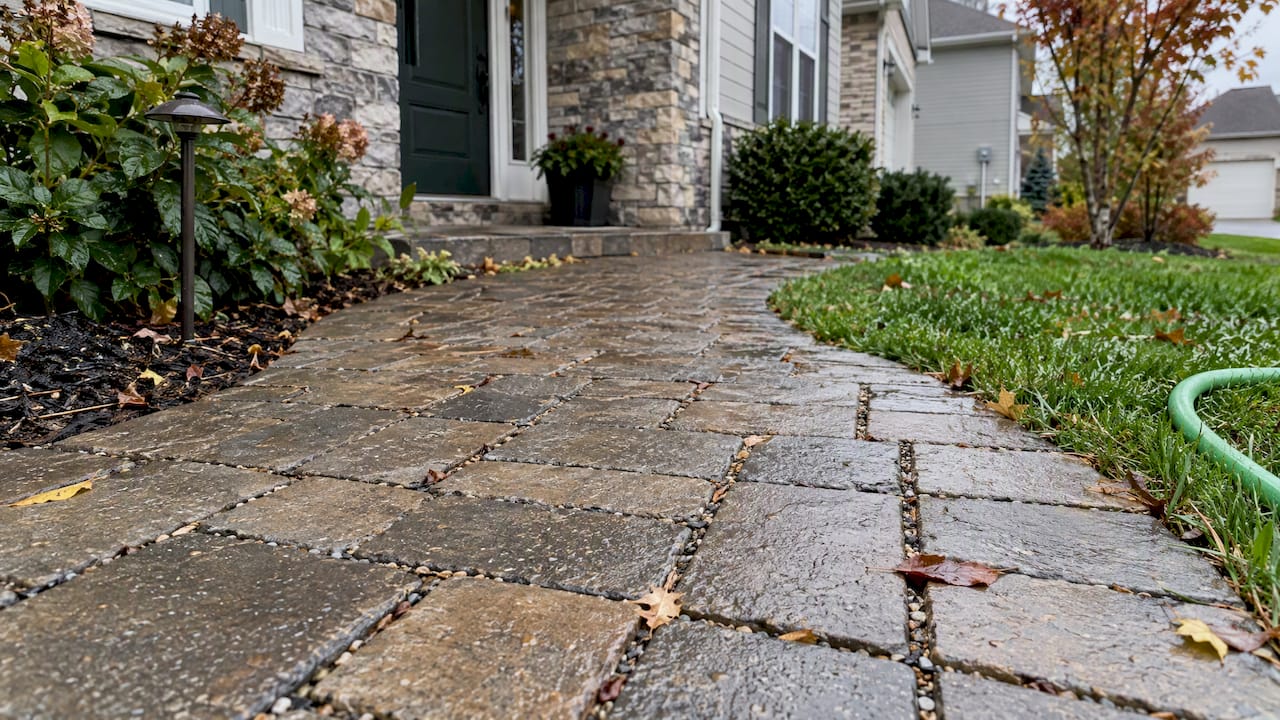
- Check patio joints and grading after heavy rain to catch early signs of pooling or settling.
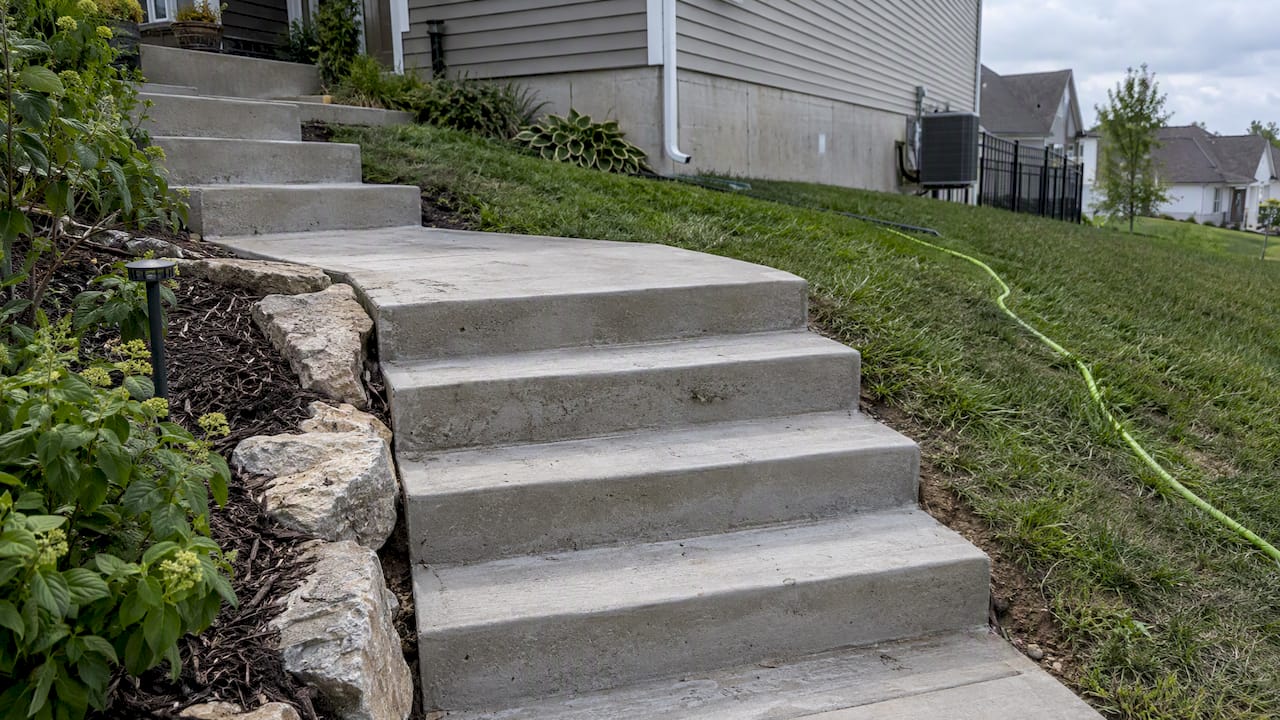
- Clear downspouts and swales before fall storms to keep water moving away from the foundation.
A spring yard cleanup checklist built for Missouri conditions covers this seasonal timing in more detail. Homeowners typically spend around $500 a year on home maintenance on average, though that number swings widely depending on the age and size of the property.
How Do You Choose the Right Maintenance Approach?
Four questions decide which strategy fits: how critical is the asset, what happens if it fails, how much does repair or replacement cost, and can you realistically monitor its condition?
IBM’s guidance on predictive versus preventive maintenance puts it plainly: high-value or safety-critical assets usually need preventive or predictive attention, while low-cost, low-consequence items can often run to failure without much downside.
Here’s how that plays out with a retaining wall. It’s structurally critical (failure risks property damage and safety hazards), expensive to replace, and reasonably easy to monitor with a seasonal visual inspection. That combination points straight to a preventive, scheduled inspection plan rather than waiting for visible failure.

Compare that to a cheap garden hose. Low cost, low consequence, easy to replace. Run it until it fails. No inspection schedule needed.
When you’re vetting a service provider, ask these questions:
- What’s your recommended inspection frequency for this specific asset, and why?
- Do you document findings, or just tell me verbally what you saw?
- What materials or methods do you use to extend the interval between major repairs?
Pro Tip: A contractor who can’t explain why they recommend a particular maintenance frequency, rather than just citing “industry standard,” probably hasn’t inspected enough properties like yours to know the difference. Watch for vague answers here. It’s a red flag that inspections might be more of a formality than a genuine diagnostic.
Landlords and property managers juggling multiple units face a scaled-up version of this same rubric, and resources like RentTrust’s guide to maintenance management systems walk through when scheduled preventive care beats waiting for tenant complaints.
What Outdoor Maintenance Pitfalls Do Homeowners Miss?
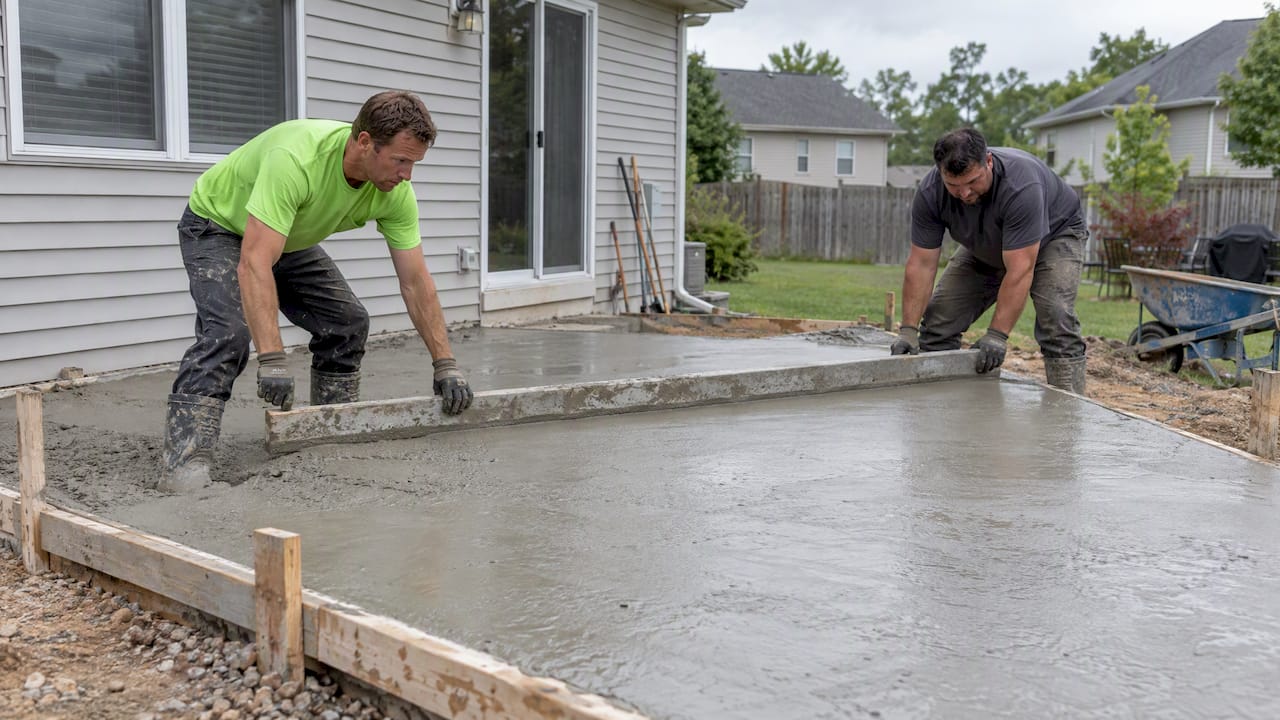
After 25 years building patios, retaining walls, and drainage systems across St. Charles County, a few patterns show up again and again. Drainage problems rarely announce themselves until a wall starts leaning or a patio starts pooling water, which is why we push clients toward inspection before symptoms appear rather than after.
Homeowners can prepare for a professional visit by doing a few things first:
- Note any spots where water pools longer than 24 hours after rain.
- Photograph cracks, gaps, or shifting in hardscape features over a few weeks to show progression.
- Clear vegetation away from retaining wall faces so drainage points are visible.
We favor durable materials and proper base preparation specifically because they reduce how often a structure needs intervention at all. An HOA landscaping maintenance checklist built for property managers echoes the same principle: consistent seasonal inspection catches problems while they’re still cheap to fix.
A Practical Take on Maintenance That Actually Holds Up
Most maintenance advice treats every task like it deserves the same urgency, and that’s where people go wrong. The real skill is triage: knowing which three or four things on your property genuinely need a calendar reminder and which ones can wait until they show a problem. Pair a simple checklist with a professional inspection at least once a year for anything structural, drainage, or safety-related. That combination catches what a homeowner’s eye misses without turning every weekend into an inspection chore.
— Mario
Keep Your Yard Ahead of Costly Repairs, Not Behind Them
A professional service gives you what a seasonal DIY checklist can’t: a trained eye that catches drainage shifts, wall movement, and grading problems before they turn into a costly repair. Instead of guessing whether that soggy patch behind your patio is normal, you get a professional read on it during a scheduled visit, backed by years of building and maintaining outdoor spaces.

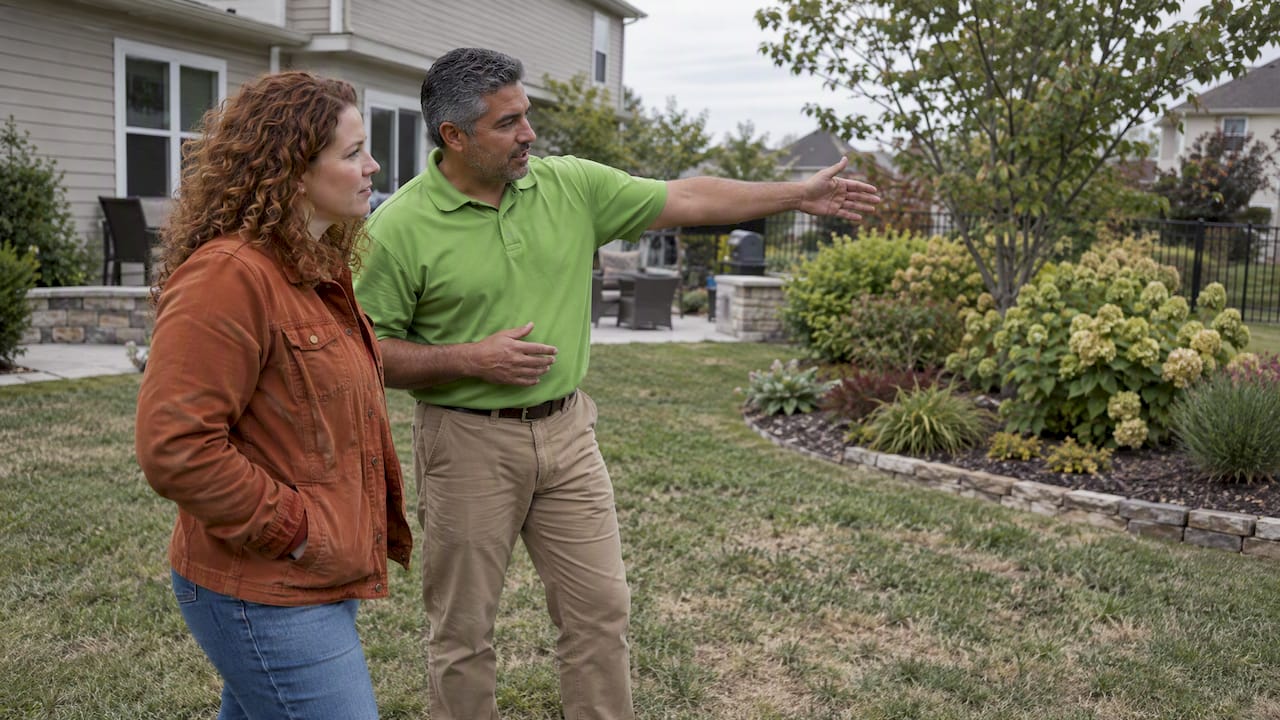
An initial visit typically starts with a walk-through of your property, a conversation about problem spots you’ve already noticed, and a written estimate before any work begins. If drainage keeps showing up on your list of concerns, our patio drainage solutions page covers common fixes. For ongoing seasonal care, our lawn and landscape maintenance service handles the recurring work so you’re not tracking it all yourself. Reach out for a free estimate and find out what your property actually needs this season.